
Simple Art Techniques for Personal Growth and Healing
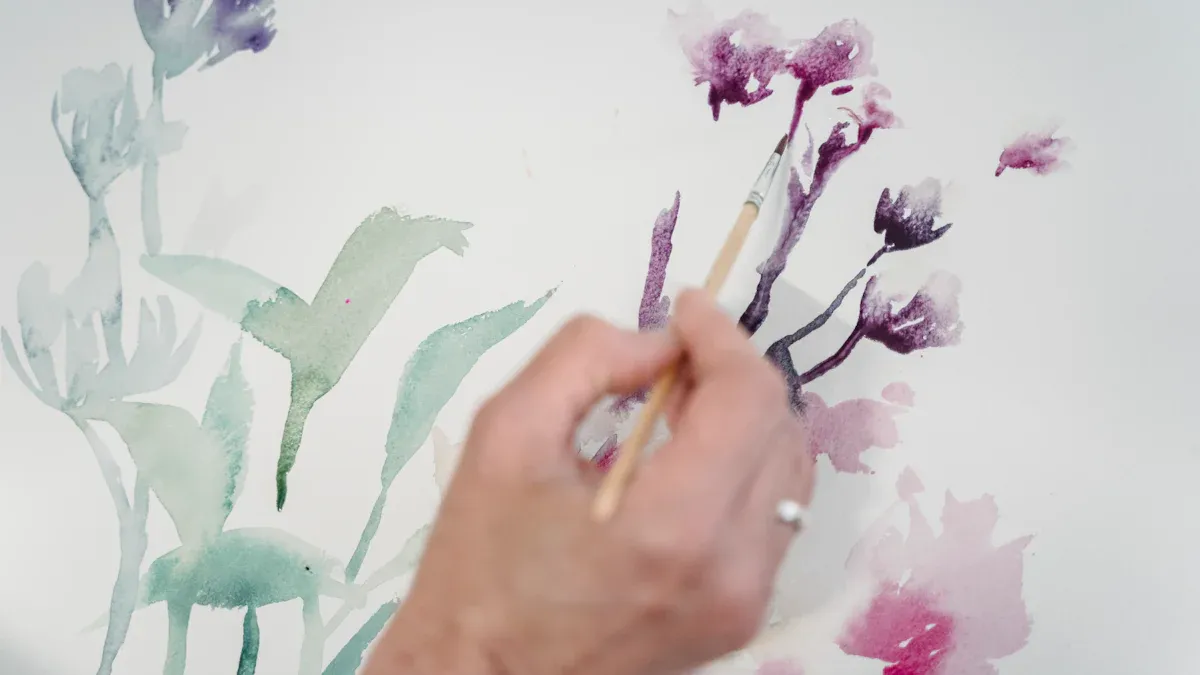
You hold the power to heal and grow through art, regardless of your experience or skill level. Picking up a pencil or brush can add more than just color to your life. When you create, your brain releases dopamine and endorphins, which boost happiness and help relieve stress. Many people discover that art activities lower anxiety and allow them to process emotions without needing words.
77% of people reported better psychological health and improved social skills after art therapy.
79% noticed higher self-esteem and a brighter self-image.
Give yourself permission to explore and play. Perfection isn’t the goal. Each mark you make reveals new lessons from the art and opens a path to self-expression.
Key Takeaways
Art can help you feel better and less stressed. Doing creative things makes your brain release happy chemicals.
You do not have to be an artist to enjoy art. Making art lets you show your feelings and learn about them.
Setting goals before you make art helps you pay attention. It also helps you connect with your feelings. Think about how you want to feel.
Making a cozy space for art can make it more fun. Pick a quiet place that makes you feel good.
Doing art often helps you handle your feelings better. Just a few minutes each day can lower stress and help you learn about yourself.
Why Art Helps Us Grow
Emotional Expression
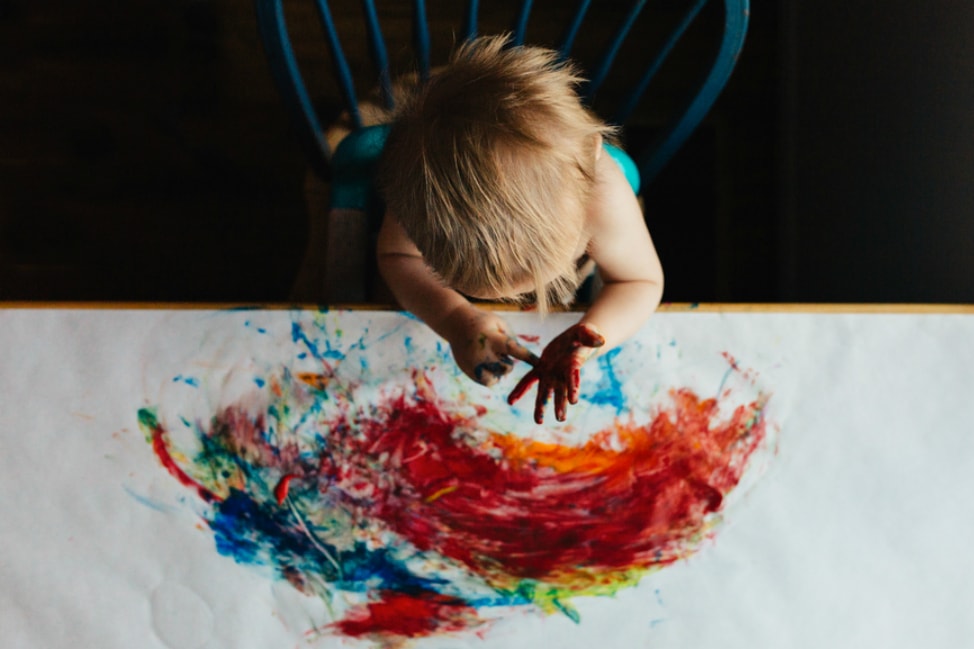
Art lets you show feelings that words cannot. When you draw or paint, you open your mind. You can share happiness, sadness, or anger. You do not need to worry about what others think. Many experts say creative activities help with stress. They also help you control your emotions. You may feel less anxious after making art. Your mood may get better too.
Tip: You do not have to be an artist to enjoy art. Making something is what helps you most.
Art therapy is a good way to handle tough feelings. You can work through sadness or anger in a gentle way. Many people feel calmer after making art. It can feel like meditation. Here are some feelings you might explore with art:
Happy
Sad
Angry
Studies show art helps you feel joy and empathy. It can also bring surprise. Sometimes, your own art can move you. Making art helps you feel better. It can help you let go of old pain.
Evidence |
Description |
|---|---|
Cathartic Experience |
Art is a good way to handle strong feelings. |
Letting Go of Past Burdens |
Making art can help you let go of old hurt. |
Self-Discovery
Art helps you learn about yourself. When you make art, you think about your ideas and dreams. Drawing yourself or making a collage shows you new things. You learn more about who you are and what matters to you.
Making art helps you think about yourself.
You grow your emotional skills and self-awareness.
Art helps lower stress, so you can understand your feelings.
Findings |
Description |
|---|---|
Emotional Intelligence |
|
Self-Awareness |
Art helps you know yourself better. |
Stress Reduction |
Art lowers stress and helps you reflect. |
Art is like a mirror. You see your real self and find new strengths. Each time you create, you grow and heal.
Getting Started
Setting Intentions
Take a moment before you start. Think about what you want to feel or learn from your art today. This helps you pay attention to your feelings. Many people say setting an intention helps them stay focused. It also helps them feel calm while making art. You might want to relax, show a feeling, or just have fun.
Key Findings |
Description |
|---|---|
Mindfulness Integration |
Setting intentions helps you focus and control feelings during art. |
Participant Feedback |
Yale students felt better after using mindfulness before art. |
Structured Sessions |
Planned sessions helped people notice their feelings and connect more. |
Try these steps to begin:
Pick art supplies that feel good to use. A sketchbook or journal is a good choice.
Do art activities like drawing your feelings, making a timeline, or designing a safe place.
Use prompts to help you think about your feelings. You can write a letter to yourself or make blackout poetry.
Tip: You do not need special art tools. Use what you have and let your intention lead you.
Creating Your Space
Where you make art matters. Find a place where you feel safe and calm. It could be a cozy corner, a sunny table, or outside. Nature can help you feel curious and free. A quiet space helps you focus and feel better.
Environmental Characteristic |
Description |
|---|---|
Being Away |
Gives you a break from your normal place |
Extent |
Gives you room to think and create |
Fascination |
Adds interesting things to see, hear, or touch |
Compatibility |
Makes you feel comfortable and at ease |
Finding |
Description |
|---|---|
Enhanced Creativity |
Nature helps you think of new ideas |
Recharge Directed Attention |
Natural places help you focus again |
Importance of Sensory Dimensions |
Calm and nature help you be creative |
Add something you like to your space. You can play soft music or put a plant nearby. These small things make your art time special. When your space feels nice, you can feel inspired and start to heal.
Simple Techniques
Paint by Numbers

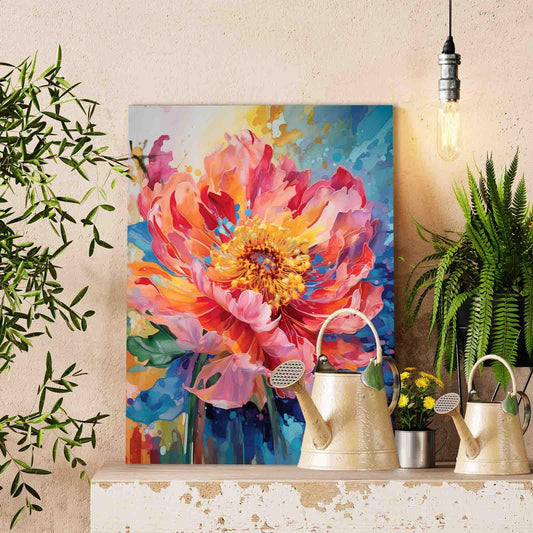
Paint by numbers gives you a simple way to start painting. You do not need to worry about making mistakes. Each section has a number that matches a color. You fill in the spaces, and a picture appears.
How to Try Paint by Numbers:
Choose a kit or print a free template online.
Gather your paints and brushes.
Match each number to the right color.
Paint each section slowly, one at a time.
Watch your picture come to life.
Paint by numbers helps you focus on the present moment. You can let go of stress and enjoy the process. The simple steps make it easy for anyone to start. As you paint, your mind becomes calm and clear.
Key Benefits of Paint by Numbers |
Description |
|---|---|
Stress Reduction |
Engaging in paint by numbers promotes relaxation and well-being, helping to alleviate stress through structured creativity. |
Mindfulness |
The activity encourages focus and presence, allowing individuals to immerse themselves in the painting process. |
Emotional Expression |
Painting serves as a non-verbal outlet for emotions, contributing to emotional catharsis and self-discovery. |
Engaging in painting releases neurotransmitters like dopamine and serotonin, which boost your mood.
The repetitive nature of painting can lower your heart rate and create a calming effect, much like meditation.
You will discover new lessons from the art each time you finish a painting. These lessons can help you feel proud and peaceful.
Doodling

Doodling means making simple marks or shapes on paper. You can do this while you listen to music or talk on the phone. Doodling does not need to look perfect.
How to Doodle:
Take a pen or pencil and a piece of paper.
Let your hand move freely.
Draw lines, shapes, or patterns.
Do not judge your doodles—just enjoy the movement.
Doodling helps your brain relax and focus. You may notice your worries fade as you draw. This small act can help you remember things better and feel less stressed.
Study Reference |
Findings |
|---|---|
2011 study |
Doodlers have a 29% increase in recall ability, suggesting doodling helps guide the brain's default network for better attention. |
Inc. Magazine |
Doodling enhances focus, reduces stress, and boosts recall, helping individuals manage stress and stay focused. |
The Arts in Psychotherapy |
Doodling boosts blood flow in the frontal cortex, enhancing mood and reducing cortisol levels in 75% of participants. |
2009 study |
Doodlers recalled more information from a tedious task, suggesting doodling provides a mental break that improves working memory. |
You can learn many lessons from the art of doodling. It teaches you to let go and trust your instincts.
Collage

Collage lets you cut and glue images, words, or textures to make something new. You can use old magazines, newspapers, or scraps of paper.
How to Make a Collage:
Gather magazines, colored paper, scissors, and glue.
Cut out pictures or words that catch your eye.
Arrange them on a blank page.
Glue them down in any way you like.
Add your own drawings or words if you want.
Collage gives you a way to express feelings without words. The act of cutting and arranging can help you feel calm and focused. You can explore your dreams, worries, or hopes through the images you choose.
It gives you a non-verbal way to express complex emotions.
The tactile process creates a sense of calm and focus.
Collage encourages you to experiment and adapt, building resilience.
You may find new lessons from the art as you see your story come together on the page.
Mandalas
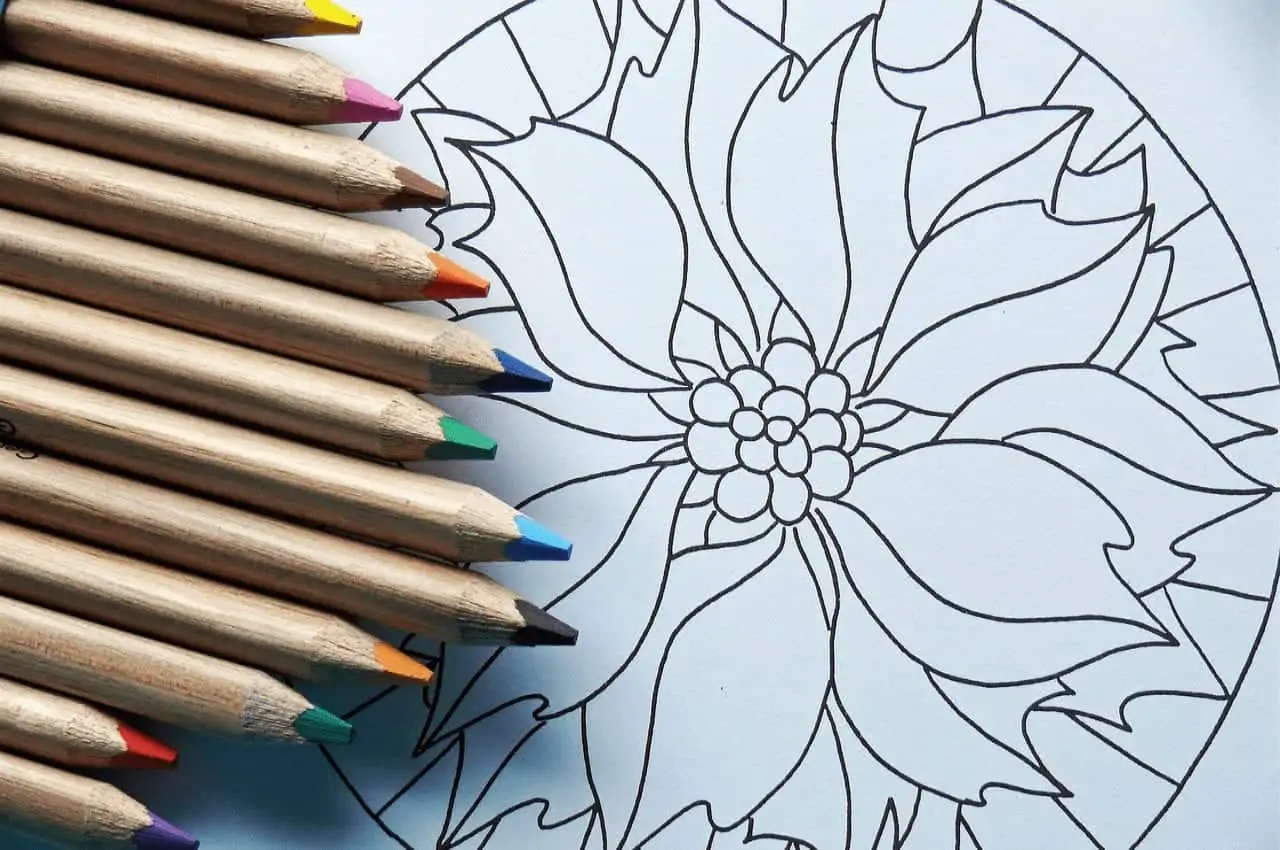
Mandalas are circular designs with repeating patterns. Many people find them soothing to draw or color. You can make your own or use a printed template.
How to Create a Mandala:
Draw a large circle on your paper.
Divide the circle into sections, like slices of a pie.
Fill each section with shapes, lines, or colors.
Work from the center outward.
Take your time and enjoy the process.
Mandalas help you focus and feel calm. Coloring or drawing them can lower stress and help you manage your emotions. You may notice your mind feels clearer after making a mandala.
It encourages healthy ways to handle emotions.
Drawing mandalas can help you feel more secure and aware of your feelings.
Evidence Type |
Findings |
Description |
|---|---|---|
Decreased negative affect |
Both cooperative and individual mandala drawing significantly reduced negative emotions, with individual mandala drawing being more effective. |
|
Emotional Expression |
Externalization of emotions |
Mandala drawing allows individuals to express and externalize negative emotions, creating psychological distance from them. |
Interoception |
Awareness of emotional states |
The process enhances awareness of physical states linked to emotions, aiding in emotional regulation. |
Color Play
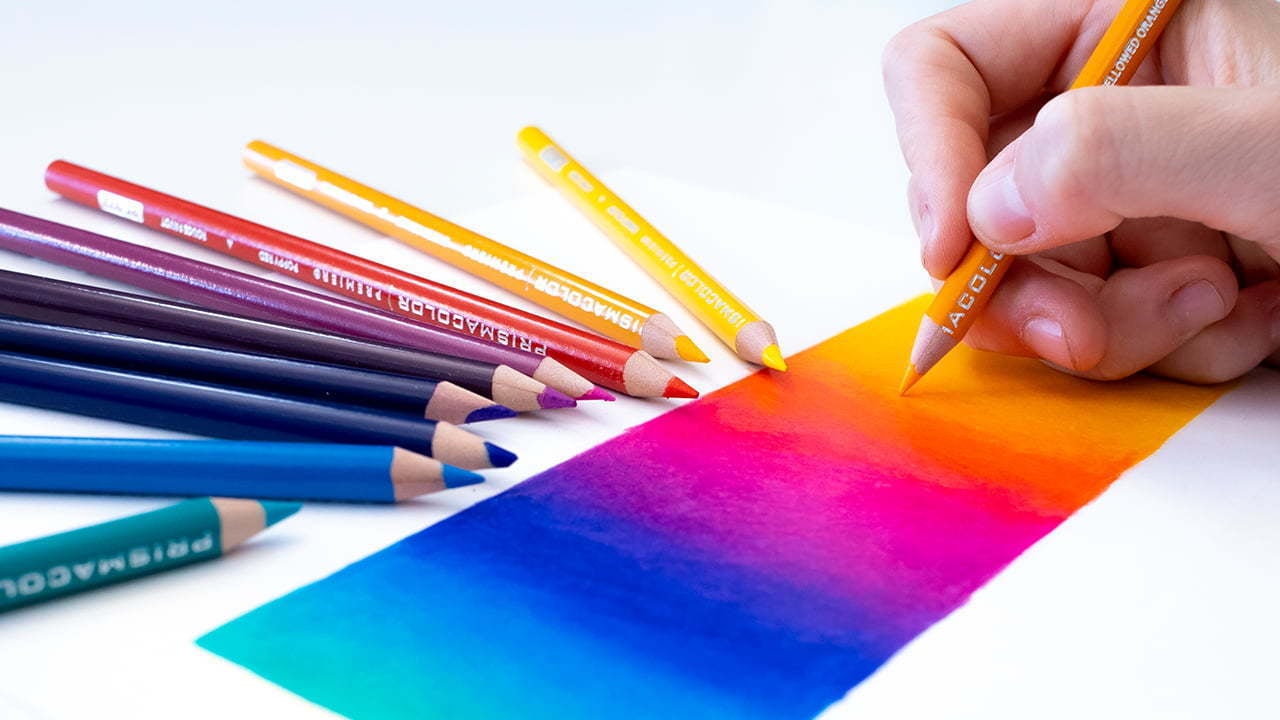
Color play means exploring how different colors make you feel. You can use paints, markers, or colored pencils. Try making swatches, blending colors, or filling a page with your favorite shades.
How to Explore Color Play:
Pick a few colors that stand out to you.
Make marks, shapes, or patterns with each color.
Notice how each color makes you feel.
Try mixing colors or using them in new ways.
Colors can change your mood. Soft blues and greens may help you feel calm. Bright reds or yellows can give you energy. You can use color to express feelings or create a peaceful space.
The study of color psychology shows that colors can evoke specific feelings and influence your behavior. For example, you might choose a calming green for your room to help you relax. Red can symbolize passion and energy, while blue brings calmness and trust. These effects come from both your mind and your culture.
Each of these techniques offers you a chance to learn new lessons from the art. You will find that art can help you heal, grow, and discover more about yourself every day.
Growth and Healing
Emotional Resilience
You build emotional resilience every time you create art. When you paint, draw, or make music, your brain releases chemicals that help you feel balanced and motivated. Art gives you a safe space to express feelings that may seem too big for words. You learn to handle stress and bounce back from tough days.
Evidence Type |
Description |
|---|---|
Stress Reduction |
Painting reduces stress levels by 70%, and making music cuts stress by 65%. |
Emotional Benefits |
Drawing increases positive emotions by 85%, while crafts boost self-esteem by 75%. |
Group Benefits |
Group art sessions build mental strength and resilience, especially among children and teens. |
Creative activities light up parts of your brain that help you manage emotions. You become stronger inside, ready to face challenges with courage.
Self-Compassion
Art invites you to treat yourself with kindness. When you doodle or color, you practice mindfulness. You focus on the present moment and let go of harsh self-judgment. This gentle attention helps you care for yourself, even when you make mistakes.
Making art, like doodling, encourages mindfulness, which is key for self-compassion.
Art activities lower stress and help you feel more at ease with yourself.
Doodling boosts blood flow in your brain’s reward center, giving you a sense of joy and comfort.
Remember, every mark you make is a step toward loving yourself more. You deserve patience and care.
Insights and Breakthroughs
Art opens doors to new understanding. As you create, you may notice thoughts or feelings you did not see before. You start to understand your own story in a deeper way.
You gain clarity about your feelings and identity.
Many people discover new insights about themselves and their emotions.
Art helps you reflect and uncover hidden parts of who you are.
Sometimes, your art changes as you do, showing your personal journey.
You might find that a simple drawing or collage leads to a big realization. Each creative act brings you closer to your true self.
Lessons from the Art
What Art Teaches Us
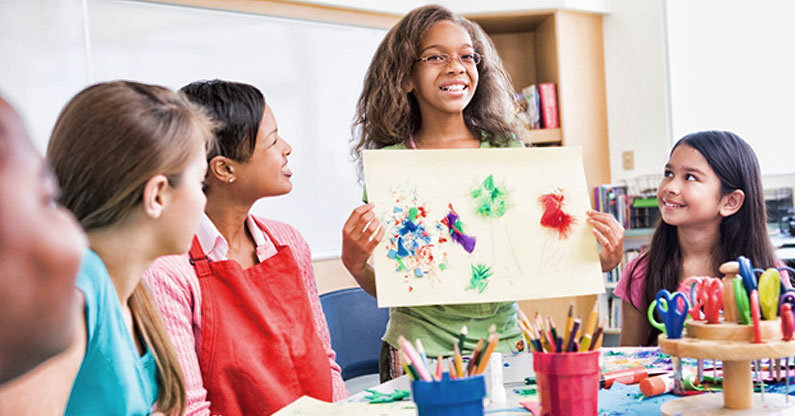
When you make art, you learn more than how to draw or paint. You discover important lessons from the art that help you grow as a person. Here are some of the most powerful things you can learn:
Self-Discovery: You explore your thoughts and feelings. Art helps you understand what matters to you.
Confidence Building: Each finished piece gives you pride. You see what you can do and feel ready to try new things.
Emotional Well-Being: Art lets you express feelings in a safe way. You find comfort and relief from stress.
Problem-Solving Skills: You face challenges as you create. You learn to think in new ways and find creative solutions.
Community Connection: Sharing your art brings you closer to others. You feel a sense of belonging.
Art teaches you that mistakes are not failures. They are chances to grow. Sometimes, the best ideas come from things you did not plan.
Applying Art Lessons to Life
You can use the lessons from the art in your everyday life. These lessons help you handle tough times and find joy in small moments.
Regular creative time helps you reflect and grow. You learn to manage stress and understand your feelings.
Art gives you a way to relax when life feels hard. You can use drawing or coloring to calm your mind.
Making art with others builds friendships and support. You feel less alone.
Writing about your art helps you see how much you have changed.
Sharing your work connects you with people who care.
You find that art gives you a safe place to show your feelings. It helps you heal from hard experiences and build strength for the future. The lessons from the art stay with you, guiding you as you move forward.
Making Art a Habit
Daily Practice
You can turn art into a daily habit, just like brushing your teeth or taking a walk. When you make art every day, you give yourself a safe space to relax and grow. Even five minutes with a pencil or some colors can change your mood. You do not need fancy supplies or a big plan. Start small and let your creativity lead you.
Try setting aside a special time each day for art. Morning, afternoon, or evening—choose what feels right for you.
Here are some powerful benefits you gain from daily art:
Benefit |
Description |
|---|---|
Engaging in art helps you focus on the present, lowering stress and anxiety. Daily art can even reduce cortisol, the stress hormone. |
|
Stimulate Cognitive Abilities |
Art boosts your brain power. You enter a flow state, which brings healing and joy. |
Improve Self-Esteem and Awareness |
Creating art helps you feel proud and understand yourself better. You express emotions and reflect on your feelings. |
Encourage Emotional Expression |
Art gives you a safe way to show feelings you cannot say out loud. It becomes a healthy way to cope with life’s ups and downs. |
You will notice that your mind feels clearer and your heart feels lighter. Each day, you build confidence and discover new parts of yourself.
Tracking Progress
Tracking your art journey helps you see how far you have come. You can use simple methods to keep your motivation strong and celebrate your growth.
Method |
Description |
|---|---|
Write notes, add photos, or sketch your thoughts. Reflect on what you enjoyed or found challenging. |
|
Weekly and Monthly Reviews |
Look back at your work. Notice patterns and set new goals for yourself. |
Analyzing Your Work |
Study your art. Find what you like and what you want to improve. |
Art Journaling |
Mix words and pictures. This boosts creativity and helps you express your feelings. |
Art journaling sparks new ideas and mindfulness.
You create a safe space for your emotions.
Finished projects boost your self-esteem and confidence.
Looking back helps you solve problems and see your personal growth.
Remember, every mark you make is a step forward. Celebrate your progress and enjoy the journey.
Take one small creative step today—pick up a pencil, doodle, or try a simple collage. Even tiny actions, like drawing a single line, can spark real change over time:
Simple planning makes it easier to start.
Each small step lays the foundation for growth.
Art brings many benefits:
It boosts your mood and well-being.
You discover your strengths and express your feelings.
Creative time helps you heal and connect with others.
Principle |
Description |
|---|---|
Simple and intuitive use |
Anyone can start, no matter their experience or ability. |
You do not need to be perfect. Enjoy the process. Share your art or reflect on what you create. Your journey starts with one mark—let it lead you forward.
Tucocoo Paint by Numbers
FAQ
How do I start if I feel nervous about making art?
You can begin with simple marks or shapes. Try doodling or color play. Focus on enjoying the process. Remember, you do not need to show your art to anyone. Every step you take helps you grow.
Tip: Start with five minutes. Let your hand move freely.
What if I do not have art supplies at home?
You can use what you have. Try pencils, pens, or even old magazines for collage. You can draw on scrap paper or in a notebook. Creativity does not need fancy tools.
Use recycled materials
Try digital drawing apps
Can art really help with stress and emotions?
Yes! Art gives you a safe way to express feelings. You can relax and focus on the present. Many people feel calmer after making art. You may notice your mood improve, even after a short session.
How often should I practice art for healing?
You can make art as often as you like. Daily practice helps you build a habit. Even a few minutes each day can make a difference. Listen to yourself and create when you feel the need.
Do I need to share my art with others?
No, you do not need to share unless you want to. Your art belongs to you. Sharing can feel good, but keeping it private is also powerful. Trust your feelings and choose what feels right.
Remember: Your art is your safe space.