
Creative drawings made easy with simple strategies
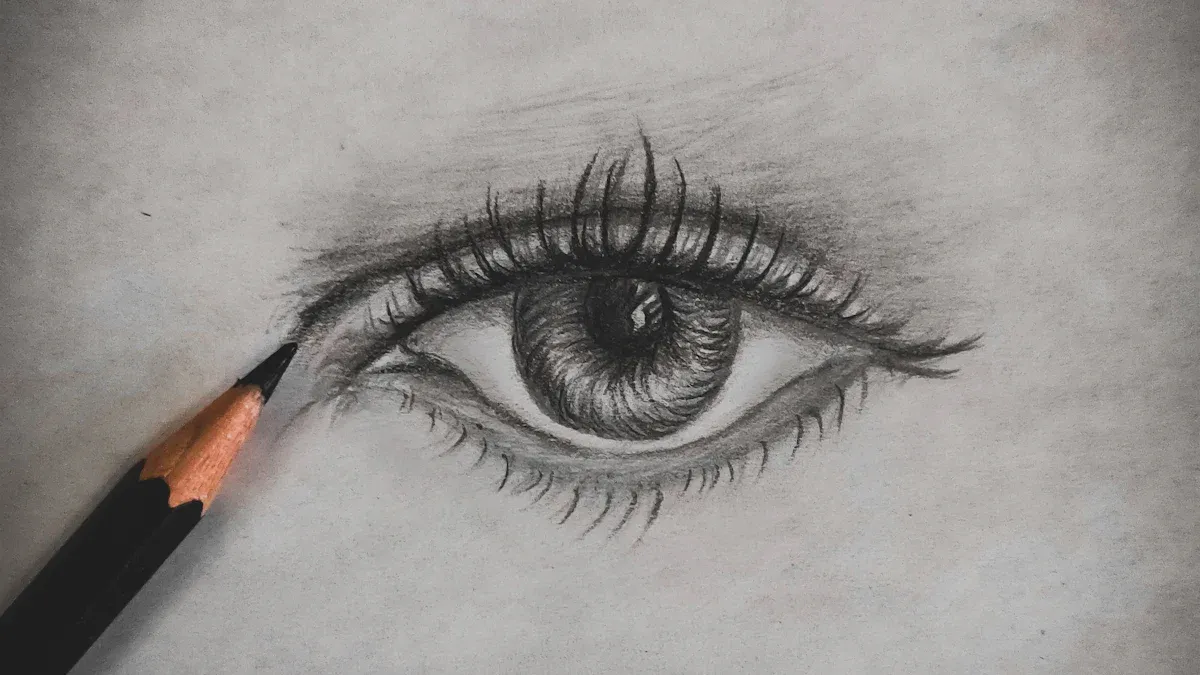
You can improve your creative drawings no matter your starting point. Many beginners discover that practicing creative drawings every day and using simple strategies helps boost their creativity. Research shows that establishing a routine, such as working on creative drawings for just 15 minutes daily, can help you learn faster and build confidence. Even those new to creative drawings can benefit from basic sketching tips and a supportive workspace. Here’s how simple strategies can make a difference:
Simple Creative Drawing Strategies |
Advanced/Technical Approaches |
|
|---|---|---|
Creativity and Critical Thinking |
Encourage creative drawings and new ways of thinking. |
Require more structure, practice, and expert guidance. |
Contextual Effectiveness |
Ideal for beginners and students in rural areas. |
Advanced creative drawings need specialized teaching methods. |
Start your creative drawings journey today. With just a few easy tips, you can enjoy drawing and steadily become a better artist.
Key Takeaways
Draw every day by starting with small, easy habits. This helps you get better and feel more confident as time goes on. Be nice to yourself to beat fear. Take breaks when you need them. Enjoy your mistakes because they help you learn. Use easy sketching tips like breaking shapes into parts. Look at references and warm up before you start. This will help you get better faster. Try out new materials and mix different styles. Play with color to make your art fun and creative. Join drawing groups to meet others. Keep track of your progress with journals or set goals. This will help you stay excited and want to keep drawing.
Mindset for Creative Drawings
Overcoming Fear
You might feel nervous when you start drawing. Many beginners worry about making mistakes or not being good enough. These fears can stop you from picking up your pencil. Studies show that drawing can help your brain manage emotions and reduce stress. When you draw, your brain activates areas that help you feel calm and happy. This makes it easier to let go of negative thoughts and enjoy the process.
Common barriers include fear of failure, perfectionism, and self-criticism. You may also feel pressure to create perfect art or struggle with burnout. To overcome these blocks, try these tips:
Practice self-compassion. Remind yourself that every artist starts somewhere.
Take breaks when you feel stuck. Short rests can refresh your mind.
Use observation exercises. Look at objects around you and sketch what you see. This builds your skills and confidence.
Try new techniques or materials. Experimenting can spark new ideas.
Join a group or share your work with friends. Support from others helps you stay motivated.
Remember, every drawing is a step forward. Celebrate your progress, no matter how small.
Embracing Play
Drawing becomes more fun when you treat it like play. Research shows that a playful approach helps you enter a state of flow. In this state, you feel absorbed and motivated. You enjoy the challenge and forget about being perfect. This mindset boosts your creativity and helps you develop new skills.
Playful drawing encourages you to try new things. You might mix colors, combine styles, or invent your own observation exercises. These activities make drawing exciting and help you see the world in new ways. When you play, you satisfy your need for freedom and growth. You also improve your observation and problem-solving skills.
Tip: Let yourself make mistakes and laugh at them. Playful drawing is about exploring, not judging.
With a playful mindset, you will find more joy in drawing and discover your unique style.
Deliberate Practice
Building your drawing skills takes more than talent. You need deliberate practice and a sustainable routine. When you practice with intention, you see real progress. You start to notice how your skills grow each day. This section will guide you through simple ways to make drawing a daily habit, explore new subjects, and use structured practice tools like Paint by Numbers.
Daily Sketching
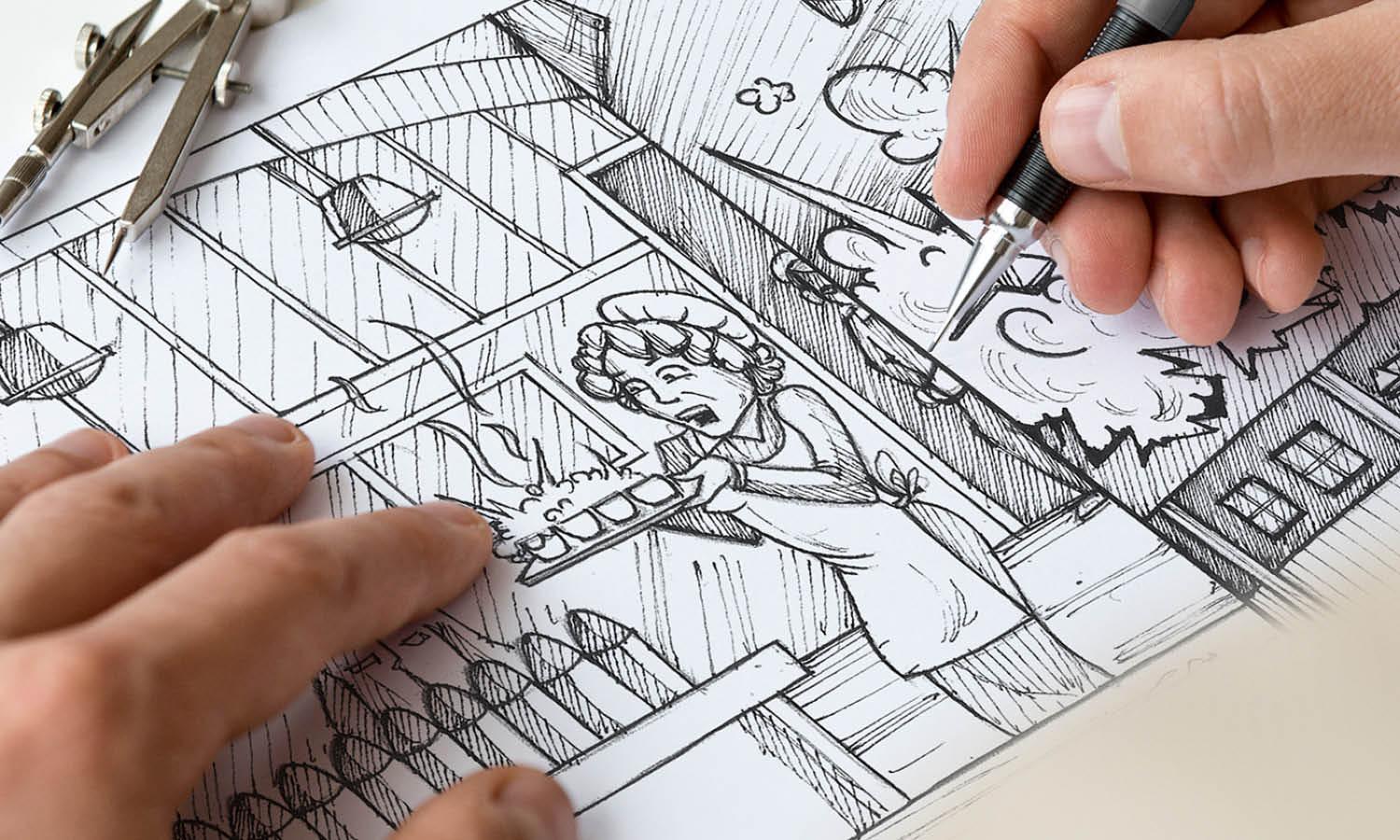
You can unlock your creative potential by making sketching part of your daily life. Many art educators and psychologists agree that daily drawing practice is one of the most effective ways to improve. You do not need hours each day. Even a few minutes can make a big difference. Here are some tips to help you build a sustainable routine:
Habit Stacking: Attach your sketching to something you already do. For example, after breakfast, pick up your sketchbook for a quick drawing.
Visual Cues: Keep your art supplies where you can see them. This reminds you to draw and makes it easy to start.
Cue–Action–Reward Loop: Set a trigger, like a certain time of day, then reward yourself after you finish. A sticker or sharing your work with a friend can boost your motivation.
Don’t Break the Chain: Mark each day you draw on a calendar. Watching your streak grow will inspire you to keep going.
Mini Habits: Start small. Draw for just two minutes if you feel busy. Small steps lead to big changes.
Identity-Based Habits: Tell yourself, “I am an artist who draws every day.” This mindset helps you stick with your routine.
Tracking Progress: Use a habit tracker or take photos of your drawings. Seeing your improvement keeps you excited.
Tip: Consistency matters more than perfection. Every sketch adds up and builds your skills.
Drawing Variety

You grow faster when you challenge yourself with different subjects. Try filling your sketchbook with a mix of objects, people, animals, and scenes. Drawing a variety of things helps you develop new skills and keeps your practice fresh. You might draw your breakfast one day and your pet the next. This approach prevents boredom and helps you see the world in new ways.
Draw from life, photos, or your imagination.
Use different tools, like pencils, pens, or markers.
Change your style—try quick sketches, detailed studies, or even cartoons.
A sustainable routine includes both comfort and challenge. When you step outside your comfort zone, you discover new strengths. You also learn to solve problems and adapt your techniques. This kind of deliberate practice builds confidence and creativity.
Paint by Numbers
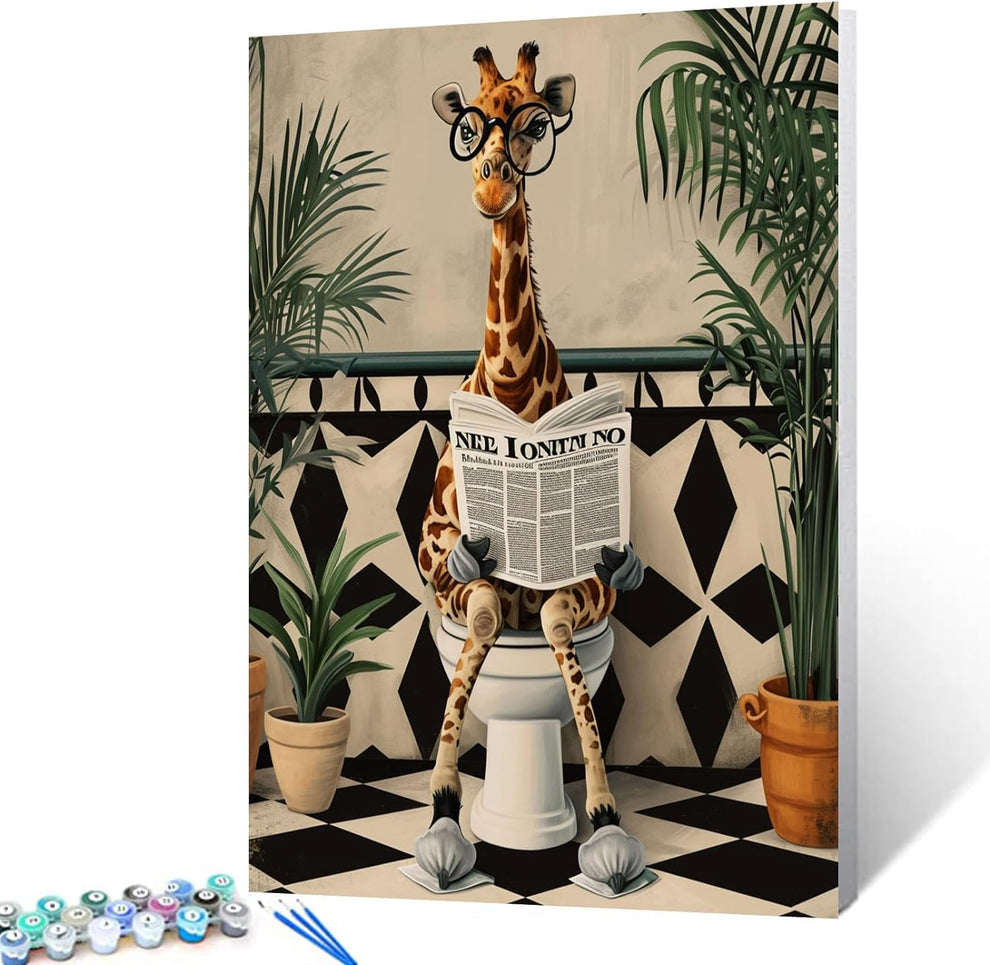
Paint by Numbers is more than a fun activity. It is a powerful tool for structured practice and skill development. When you follow the numbered sections, you train your hand and brain to work together. This improves your motor skills and brush control. You also learn to focus on details and complete tasks step by step.
Here are some ways Paint by Numbers helps you grow:
You improve your hand-eye coordination and fine motor skills with each brush stroke.
The clear structure helps you stay productive and finish what you start.
You learn how paintings come together, one section at a time, which makes freehand drawing easier.
You practice patience and attention to detail, which are key skills for any artist.
The process encourages you to relax and enjoy traditional art, away from screens.
As you gain confidence, you can try blending colors or using new techniques.
Completing a project gives you a sense of accomplishment and motivates you to try new styles.
Note: Many famous artists, including Da Vinci, used similar methods to teach their students. Paint by Numbers can help you build a strong foundation for your own creative journey.
When you combine daily drawing, variety, and structured practice, you set yourself up for success. Your skills will grow, your confidence will rise, and drawing will become a joyful part of your life.
Sketching Tips

You can become more creative with the right sketching tips. These ideas help you get better at drawing and make art more fun. If you are new or want to get better, these tips will help you.
Using References
References help you start your drawing with a strong base. When you use photos, real things, or other artists’ work, you train your eyes to see more details. You learn how light, shadow, and form work together. This habit helps you notice more and draw more accurately.
Pick clear, good-quality images or objects as your reference.
Look at the shapes, lines, and patterns before you draw.
Watch how artists use shading and line weight in their art.
Try drawing from new angles to challenge yourself.
Tip: Using references is not copying. You are learning to see and understand like an artist.
You will see your drawing skills improve faster if you use references often. This method also helps you feel less frustrated and more confident.
Breaking Down Shapes
Big or tricky subjects can seem hard to draw. You can make them easier by turning them into simple shapes. Many artists use this trick because it helps you plan your drawing and focus on the main parts first.
Look at what you want to draw and find the basic shapes—circles, ovals, rectangles, boxes, and triangles.
Lightly sketch these shapes to build your drawing’s structure.
Change the shapes as you need, bending or stretching them to fit what you see.
Add details slowly, fixing the shapes and checking sizes.
When you use this method, you teach your brain to see things in a new way. You stop worrying about being perfect and start having fun. Drawing becomes about practice, not just talent.
Practice drawing simple shapes every day.
Try drawing things upside down to focus on shapes, not names.
Draw the space around objects (negative space) to get better at seeing.
Remember: Drawing takes time. Light lines and fixing mistakes are part of learning.
You will see that breaking down shapes makes hard drawings feel easier. This way gives you a strong base for all your future art.
Warm-Ups
Warm-up exercises get your mind and hand ready to draw. Just like athletes stretch before playing, artists do quick drawings to warm up. These warm-ups help you relax, stop creative blocks, and draw better.
Spend 1–2 minutes making quick, loose sketches of easy objects.
Try gesture drawing to show movement and energy.
Draw circles, lines, and patterns to wake up your hand and focus.
Studies show that warm-ups help your brain and make you draw with more confidence. You do not need a lot of time—just a few minutes helps a lot.
Tip: Use warm-ups to try new things and have fun. There are no mistakes when you practice.
You will see your lines get smoother and your ideas come faster after warming up. These exercises help you get better at drawing and keep your practice interesting.
The Five P’s for Better Drawing
Many artists talk about the “five P’s” to help you draw better and be more creative:
P’s |
What It Means |
|---|---|
Proportion |
Make sure each part is the right size |
Placement |
Put each thing in the right place |
Perspective |
Show depth and space in your drawing |
Planes |
Understand the surfaces and angles |
Pattern |
Notice and repeat shapes or textures |
Remember these five P’s when you practice your sketching tips. They help you see your subject clearly and make your art more interesting.
You can do great things by using references, breaking down shapes, and starting with warm-ups. These sketching tips will help you get better and enjoy drawing every step of the way.
Boosting Creativity
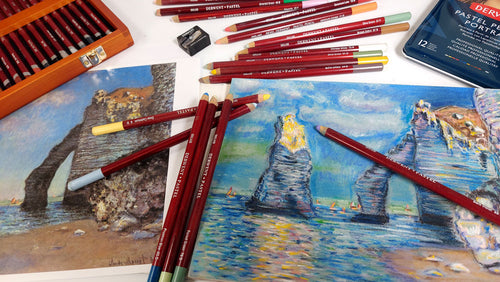
Experimenting with Materials
You can find new ideas by trying different materials. Use pencils, markers, pastels, or even things you find. Many artists find new styles when they use materials in new ways. Picasso used sand and scraps to make cool textures. You can draw on cardboard, fabric, or glass. Mixing media lets you see your art in a new way. Art teachers like open-ended prompts and exploring materials. This helps you feel braver and solve problems. You learn to take risks and try new things. When you use new materials, your art feels more fun and special.
Tip: Make a table to keep track of which materials you like best and what they do.
Material |
Texture |
Mood Created |
|---|---|---|
Watercolor |
Soft |
Calm |
Charcoal |
Rough |
Dramatic |
Collage |
Mixed |
Playful |
You become a better artist when you leave your comfort zone and try new art activities.
Combining Styles
You can get more creative by mixing different styles in your art. Try comic outlines with real-looking shading. Make collage art by layering paper and photos. Use cubism to break things into shapes, then add bright colors from tattoo art. Many artists mix digital and traditional ways for cool results. You can scan your art and add effects on a computer. Mixing styles helps you tell stories and show feelings. Artists like Mark Bradford and Mickalene Thomas use mixed media for strong pictures. You can layer paint, use sponges, or add fabric for texture. Mixing styles makes your art stand out and keeps it fun.
Draw faces upside down to see them in a new way.
Trade unfinished art with friends and finish each other's work.
Use mosaic patterns to add color and make it interesting.
Playing with Color
Color gives your art energy and feeling. You can play with color by using opposites for contrast. Try painting shadows with blue and highlights with orange. Notice how colors from around you show up on your subject. Use color groups like analogous or triadic to set a mood. Practice making value charts and painting with just a few colors. These activities help you learn about hue, saturation, and tone. You can make things look deep by using warm and cool colors. Artists often switch colors to their opposites for a bold look. When you try new things with color, your art looks more lively and creative.
Note: There are no mistakes when you play with color—just new things to learn.
Inspiration and Feedback
Studying Artists
You can get inspired by looking at famous artists’ work. When you look at their drawings, you find new ideas and ways to draw. Some creative people, like Salvador Dali and Pablo Picasso, learned from many places. They read science magazines, looked at old objects, and even read about the mind. This helped them make special drawings that changed art.
Art teachers say studying artists helps you learn important skills. You start to notice details, think about your choices, and ask questions. These habits help you become a better artist and solve problems. When you see different styles, you learn to try new things in your own art. You also get better at making choices and looking at information in new ways.
Tip: Move things around or sit in a new way when you draw. Artists like Takeshi Shinohara got new ideas by changing how they worked.
You can be more creative if you enjoy art and try new things. Each time you study an artist, you add new skills to your art toolbox.
Drawing Communities
Being part of a drawing group gives you help and encouragement. When you show your drawings to others, you feel braver and learn from their advice. Studies show that kids in art groups share feelings more easily and feel like they belong. You can meet people who love art and care about the same things.
Drawing groups help you learn by working together. You get good advice and see how others fix problems. This makes you think about your own art and try new ideas. Learning in a group feels safe and friendly, so it is easier to keep drawing every day.
You make friends and build strong bonds.
You feel happy about your art and your group.
You want to keep getting better at drawing.
Note: Sharing your art might feel scary at first, but it helps you feel stronger and more creative.
You can find happiness and meaning in drawing when you join a group. You help each other and celebrate every small win together.
Tracking Progress

Art Journals
You can discover your growth as an artist by keeping an art journal. This journal becomes a safe space for your thoughts, sketches, and feelings. Many artists find that art journaling helps them reflect on their emotions and ideas. When you draw or write in your journal, you give yourself time to think and understand your creative journey. Art journaling can lower stress and boost your mood. You can use it to solve problems and explore new ideas. Some artists say their journals help them feel more confident and creative. You do not need to follow any rules. Mix words, doodles, and colors in any way you like. Your journal is a place for self-care and personal growth. Over time, you will see how your skills and ideas change. This makes tracking progress feel rewarding and fun.
Tip: Try drawing how you feel today or write about what you learned from your latest sketch.
Setting Goals
You can reach new heights in your art by setting clear, small goals. Art educators suggest breaking big dreams into micro-milestones. For example, focus on drawing the shape of a hand before trying a full portrait. This makes each step easier and helps you see your progress. Use these steps to set strong goals:
Define what you want to achieve. Be specific.
Make your goal measurable. Decide how you will know you succeeded.
Choose goals that fit your life right now.
Set a deadline to keep yourself on track.
Break big goals into smaller tasks.
You can also use a daily log to record your practice. Celebrate each small win. If you feel stuck, remember that frustration means you are learning. End each session with something you enjoy to keep your confidence high. Share your goals with friends or a drawing group for extra support. When you set and reach your goals, you build resilience and stay motivated.
You now know that creative drawings get easier with the right attitude, practicing every day, and using easy tips. You can beat fear and wanting things perfect by accepting mistakes and thinking about getting better. Try a new tip today. You could set aside five minutes to draw or join a group for help. Drawing often makes you feel happier, stronger, and helps you improve as an artist.
Keep trying new things, stay excited, and let your creative drawings make you happy each day!
Tucocoo Paint by Numbers
FAQ
How can you stay motivated to draw every day?
Celebrate small wins. Keep your sketchbook visible. Join a drawing group or share your art with friends. Remember, every drawing helps you grow. You can inspire yourself by looking back at your progress.
What if you make mistakes in your drawings?
Mistakes help you learn. Try to see them as part of your creative journey. You can turn errors into new ideas. Many artists find their best work by exploring unexpected results.
Which materials should you start with as a beginner?
Pencil and paper work best for starting out.
Try colored pencils or markers for fun.
Use what you have at home. You do not need fancy tools to begin your creative journey.
How do you find new ideas for creative drawings?
Look around you. Draw objects from your room, nature, or your favorite book. Try drawing from memory or mix two things together. Inspiration can come from anything you see or imagine.