
What the Puzzle Piece Symbol Means in Autism Awareness
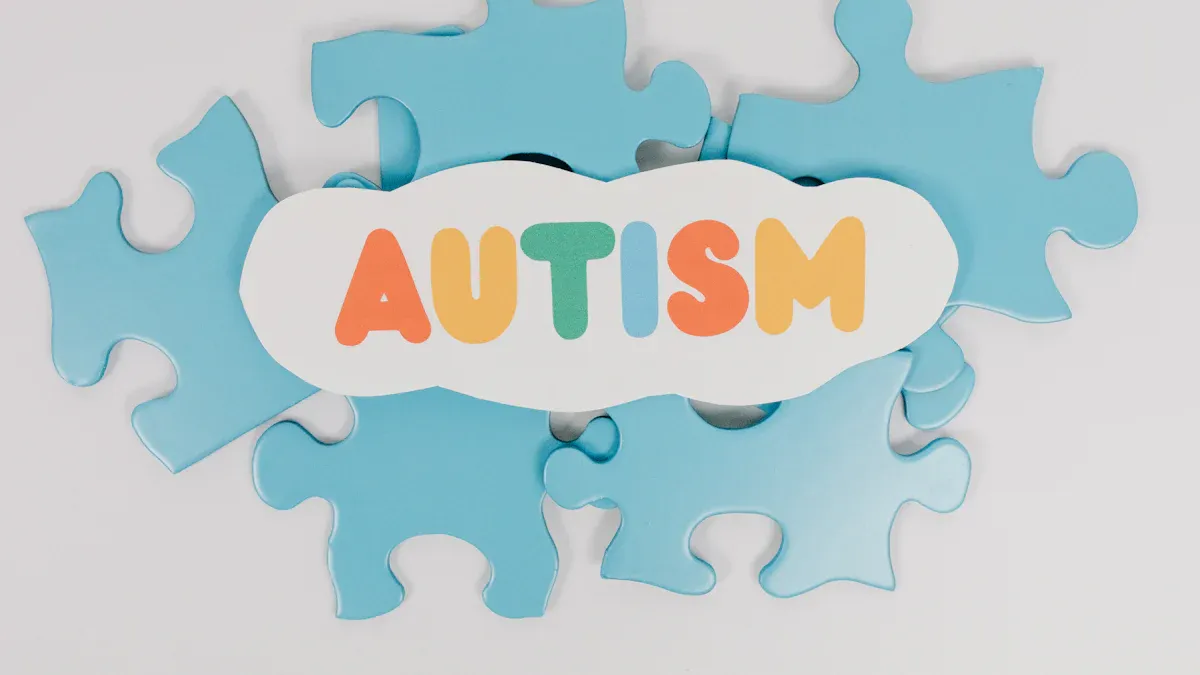
The puzzle piece symbol is one of the most well-known autism awareness symbols in the United States. Studies show that almost 70% of people know the blue puzzle piece as the autism awareness symbol, especially during autism awareness month. The autism puzzle piece symbol first showed up in the 1960s. It was made to show how complex autism spectrum disorder is and to help people understand it. Over time, the meaning of the autism puzzle piece symbol has changed. Some people with autism and others in the autism community like its history. Others feel the symbol makes it seem like people on the autism spectrum are not whole. Many people still support the puzzle piece symbol. But now, many in the community want symbols that show acceptance, understanding, and support for everyone on the autism spectrum.
The changing meaning of the symbol affects how people see autism and changes the way people with autism are understood and supported.
Key Takeaways
The puzzle piece symbol began in the 1960s. It was used to show that autism is complex. Now, people think it means different things. Many autistic people feel the puzzle piece shows they are not whole. Some think it means they need to be fixed. This can make people feel bad. The autism community now likes other symbols. They use the infinity sign and butterfly. These symbols show acceptance and strengths. Colors in autism symbols have special meanings. Blue stands for calm. Rainbow means diversity. Using kind symbols helps people understand autism. It also builds support and a nicer community for autistic people.
Puzzle Piece Symbol Origins
Early History
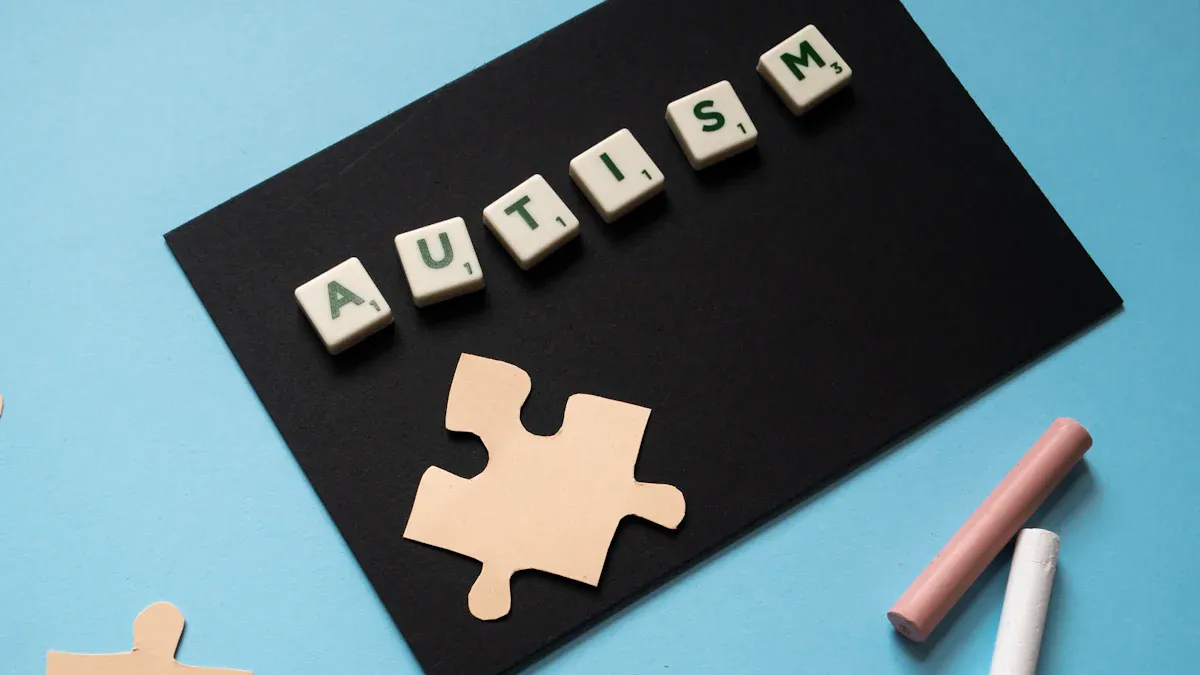
The puzzle piece symbol was first used in 1963. The National Autistic Society in the UK made this symbol. Gerald Gasson, who was a parent and on the NAS board, designed it. He drew a puzzle piece with a sad child inside. This picture tried to show that autism was puzzling. People did not know much about autism back then. Many thought autism was strange and lonely. The symbol showed these ideas. The crying child on the puzzle piece meant sadness and hard times. The design showed that people saw autistic children as different from others.
The puzzle piece symbol soon became important for autism awareness. Many groups started using it to show autism and the search for answers.
Original Intent
The first idea for the puzzle piece symbol was about how autism is complex and special. The NAS wanted to show that every autistic person is unique, like each puzzle piece. The symbol was often shown in many colors and as part of a big picture made of many pieces. This design tried to show the wide range of the autism spectrum. Using different colors and shapes showed that autistic people have their own strengths and challenges.
But the symbol also gave mixed messages. Some people thought it made autistic people seem like a "missing piece" or like they did not belong. The symbol was made without asking autistic people what they thought. Over time, many in the autism community started to wonder if the puzzle piece really showed acceptance and understanding. The story of the autism puzzle piece symbol shows how it helped people learn about autism and started talks about including everyone.
Meaning of the Autism Puzzle Piece Symbol
Symbolism and Interpretations
The meaning of the autism puzzle piece symbol has changed a lot. At first, it showed autism as something confusing. The first design had a crying child. This made people think of sadness and hard times. Helen Allison, who helped start the National Autistic Society, once said:
“The puzzle piece is so effective because it tells us something about autism: our children are handicapped by a puzzling condition; this isolates them from normal human contact and therefore they do not ‘fit in’. The suggestion of a weeping child is a reminder that autistic people do indeed suffer from their handicap.”
This quote shows that people used to see autism as a problem. Over time, the symbol got new meanings. Some groups, like Autism Speaks, use a colorful puzzle piece now. They say it shows the many different people in the autism spectrum. They believe the symbol means hope, acceptance, and support for everyone.
But many autistic self-advocates do not like the symbol. They think it makes people believe autistic people are broken or missing something. The symbol can make it seem like autistic people are puzzles to solve. Some also connect the symbol to harmful treatments that try to change autistic people. Because of these worries, groups like the National Autistic Society stopped using the puzzle piece in their logos. Many people now like symbols that show acceptance and neurodiversity, like the infinity symbol.
-
Some negative ideas about the puzzle piece symbol are:
It makes it look like autistic people are not whole.
It connects autism to being a problem or a sad thing.
It is linked to therapies that try to change autistic people.
It can make autistic people feel left out or not important.
Many self-advocates now want symbols that show strengths and differences.
Impact on Autism Perception
The autism puzzle piece symbol has changed how people see autism. When it first came out, it made people think autism was a mystery or a problem. This made people think autistic people do not fit in. Research shows the symbol can cause negative feelings and bias. For example, studies using Implicit Association Tests found people often link the puzzle piece with bad ideas about autism.
Many pictures show autistic children missing a piece or with a puzzle piece in their brain. These images can make stereotypes stronger. They can make people think autistic people are less than others. Some groups used the symbol in ads that focused on the hard parts of autism. This made the stigma worse.
People in a study said the puzzle piece made them think of something missing or not perfect. The study’s writers said groups should not use the puzzle piece if they want to create good feelings.
The symbol’s story shows how people have seen autism over time. In the past, people thought autism needed to be fixed. Now, more people want acceptance and understanding. Many use symbols like the infinity sign to show autistic people are whole and important. The change in symbols matches a new way of thinking about autism. Now, people see autism as a natural part of being human.
-
The puzzle piece symbol:
Helped people learn about autism.
Also added to stigma and wrong ideas.
Made some think autistic people need to change.
Helped start a move to better and kinder symbols.
The meaning of the autism puzzle piece symbol is still debated. Its effect on how people think shows why symbols are important for understanding and accepting autism.
Criticisms of the Puzzle Piece
Controversy in the Autism Community
Many people with autism have strong opinions about the puzzle piece symbol. Over the years, this symbol has caused a lot of arguments. People disagree about what it means and how it makes autistic people feel.
Non-autistic people made the puzzle piece in the 1960s. They used it to show that autism was confusing or a problem.
Many autistic people feel left out because they did not help make the symbol. They think it does not show their real lives or feelings.
The symbol often uses bright, childish colors and pictures. This can make adults with autism feel like they are being treated like kids.
Some groups, like Autism Speaks, use the puzzle piece to talk about curing autism. Many autistic people think this is hurtful.
The symbol can make people think autistic people are not whole or need to be fixed. This can lead to unfair ideas and negative labels.
Studies show the puzzle piece can make people feel sad, left out, or misunderstood.
Many autistic people really do not like the puzzle piece symbol. The National Autism Society first used it in 1963, and Autism Speaks later used it too. The symbol became part of ads that showed autism as a sad disease that needed a cure. For example, Autism Speaks made ads saying autism ruined families. One film even showed a leader talking about suicide because of her autistic daughter. These ads upset many autistic people. The puzzle piece also makes it seem like autistic people are a mystery or problem. Many autistic people do not agree with this. They like symbols like the rainbow infinity instead. These symbols show neurodiversity and strength. Using the puzzle piece today feels disrespectful to many. It reminds them of unfair treatment. People want to move from just awareness to real acceptance. They want to stop using old symbols that do not respect autistic voices.
Many groups now use new symbols. They want pictures that show respect and the strengths of autistic people. The rainbow infinity, butterfly, and gold or rainbow colors are now popular. These symbols focus on including everyone, not on changing them.
Neurodiversity and Acceptance
The neurodiversity movement has changed how people see autism. Neurodiversity means autism is a normal part of being human. It is not a problem or sickness. This idea helps autistic people feel good about themselves.
The puzzle piece makes it look like autism is a problem to fix. Many people who support neurodiversity do not like this message. They think the symbol keeps old, harmful ideas alive. These ideas say autistic people must change to fit in. Instead, they want symbols that show differences are good and everyone belongs.
The neurodiversity movement teaches people to accept and love themselves. It helps autistic people feel whole and important. This new way of thinking has led to new symbols. The rainbow infinity symbol shows the many ways people experience autism. It means everyone is important and should be respected.
Many people now want true acceptance for autistic people. They want society to go beyond just knowing about autism. They want real support and inclusion. This means using symbols that honor autistic people’s voices and lives. Changing from the puzzle piece to better symbols shows this new way of thinking.
The neurodiversity idea helps autistic people accept and love themselves. It says autism is just a different way of being, not something wrong. This helps remove shame and unfair treatment. It also helps autistic people feel safe and proud. The movement wants everyone to feel included and respected. New symbols now show this idea by celebrating differences, not problems.
People in the autism community still talk about which symbols are best. Most now agree that symbols should show acceptance, respect, and belonging for all.
Symbols for Autism Today
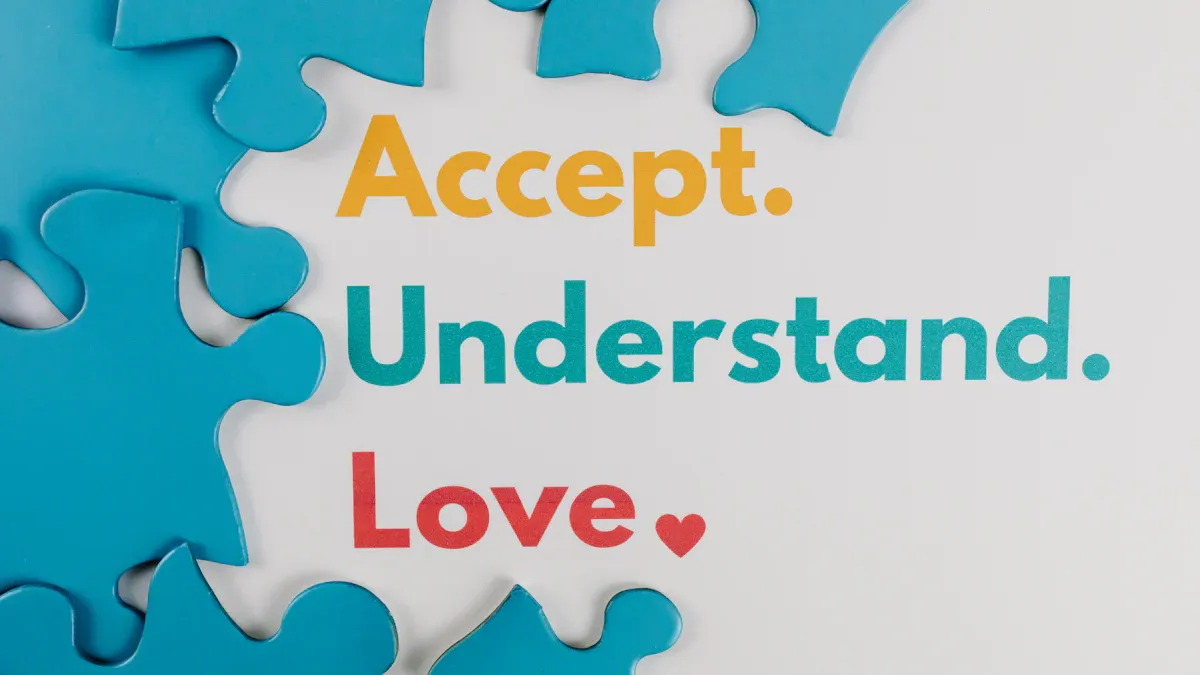
Infinity Symbol
The infinity symbol is now a top choice for autism. Many autistic people helped make this symbol popular. It stands for endless possibilities and many experiences. The rainbow infinity symbol shows diversity and acceptance. People like it because it does not mean someone is missing something. The infinity symbol celebrates strengths and being unique. It helps people focus on real acceptance, not just awareness. You can see this symbol at many autism events and campaigns.
The infinity symbol gives a positive and welcoming view of autism. It shows that every person has special value and potential.
Other Modern Icons
Other symbols for autism are also becoming popular. The butterfly is one of the best-known new icons. It stands for change, growth, and the beauty of becoming better. Many advocates use the butterfly to show how people with autism grow and thrive. The butterfly shows strength and the journey to learn about yourself. Some people still use the multi-colored puzzle piece, but it is not as common now. The move to new symbols shows people want images that give respect and power.
-
Some common modern symbols for autism are:
Infinity symbol (often rainbow-colored)
Butterfly
Rainbow ribbon
Multi-colored puzzle piece (not used as much now)
Colors and Their Meanings
Colors are important in autism symbols. Blue often means calm, trust, and support. Many groups use blue to make people feel welcome and understood. The rainbow is also a favorite. It shows diversity and the many ways people experience autism. Gold is another popular color. It stands for brilliance, special talents, and strengths of people with autism.
Color |
Meaning |
|---|---|
Blue |
Calmness, trust, support, understanding |
Rainbow |
Diversity, inclusion, neurodiversity |
Gold |
Brilliance, unique talents, strengths |
Today, autism symbols focus on acceptance, pride, and celebrating differences.
The puzzle piece meaning in autism awareness has changed a lot. Many people now think it is old and not the best choice. They like symbols that show acceptance and support instead. Groups like the Autism Society have made new logos. These logos match what the autism community wants. The infinity sign and butterfly are new symbols people like. These symbols stand for hope and understanding. Using these new symbols helps people feel supported. It also helps others understand autism better. Recent studies say that using these symbols helps more people learn about autism. It also makes more people want to help autistic people.
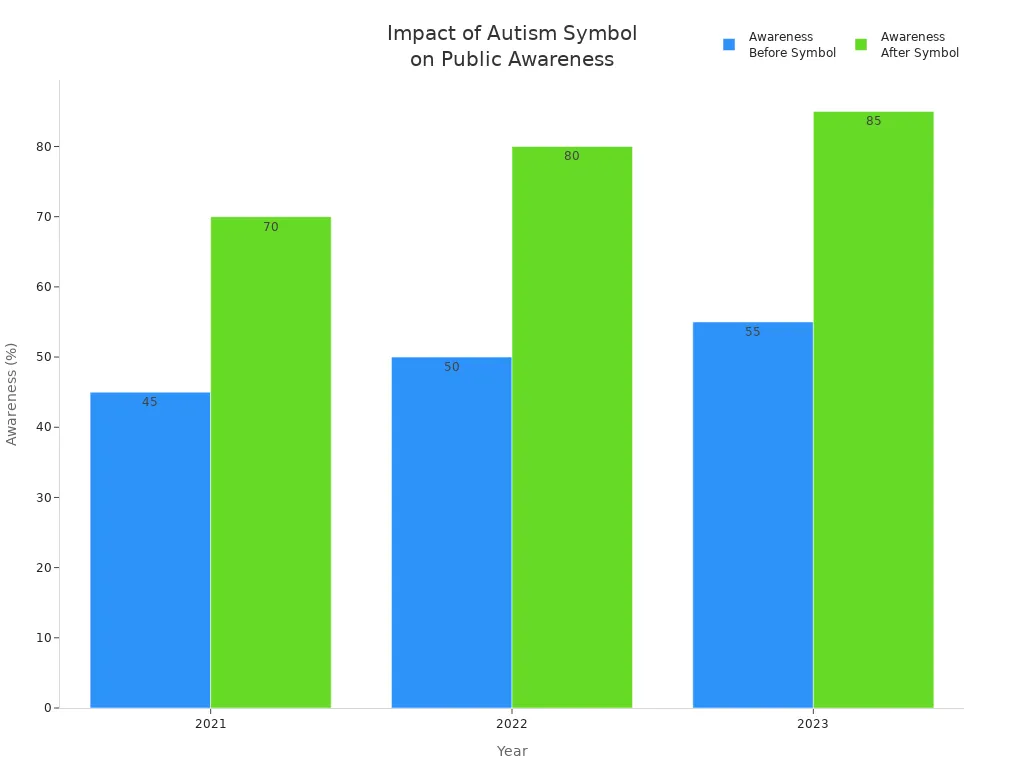
Picking symbols that show respect and diversity helps everyone. It builds a kinder and stronger community during autism awareness month and all year.

Tucocoo Jigsaw Puzzles
FAQ
What does the puzzle piece symbol mean in autism awareness?
The puzzle piece was made to show that autism is complex. People have talked a lot about what the symbol means. Some people think it brings hope. Others feel it says something is missing.
Why do some people dislike the puzzle piece symbol?
Many autistic people think the symbol makes them look incomplete. It can make them seem like a problem that needs fixing. They like symbols that show acceptance and celebrate differences.
What symbols do autistic people prefer today?
Now, many people use the infinity symbol. It stands for diversity and endless possibilities. The butterfly and rainbow colors are also popular. These symbols focus on pride and strengths.
Does the color of the symbol matter?
Yes, the color is important. Blue means calm and support. Rainbow colors show diversity. Gold stands for strengths and talents. Each color shares a different message about autism.
How can someone support autism acceptance?
People can help by listening to autistic voices. They should use respectful symbols and share good messages. Picking symbols that celebrate differences helps everyone feel welcome.