
Simple Painting Ideas for Beginner Artists
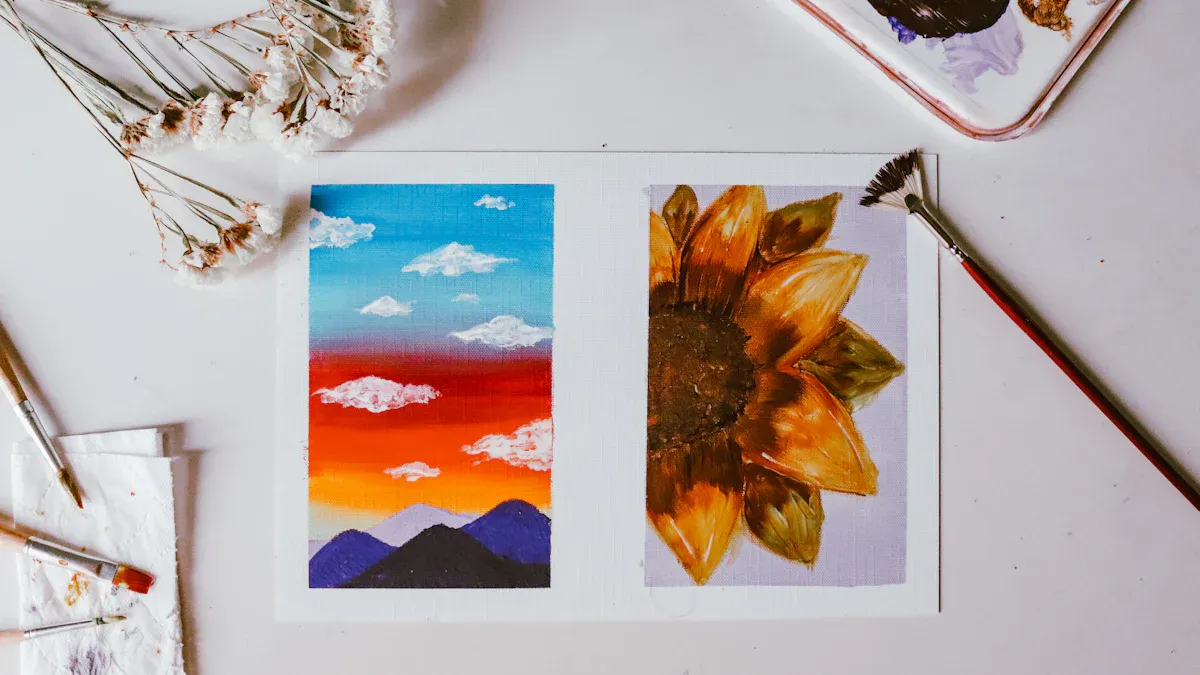
You can start painting things to paint like the sky, moon, or rainbows. You can also paint whales, butterflies, or teacups. Painting is something everyone can try. Get your supplies and start simple painting. Try painting easy things if you are a beginner. Look for things to paint for beginners. Find easy painting ideas or easy acrylic painting ideas. You can also find easy watercolor painting ideas. Look for fun subjects and painting ideas for beginners. Watch tutorial videos for inspiration. You can use an easy to follow tutorial or try painting projects. Pick acrylic or any medium you like. Beginner artists enjoy easy things to paint and simple painting projects.
Key Takeaways
Begin with easy things like fruits, flowers, or landscapes. This helps you feel confident and have fun while painting. Use only a few colors to make painting simpler. This also helps your art look more connected. Look at things around you and nature for ideas. These give you many chances for fun and creative painting projects.
What Makes Easy Things to Paint for Beginner Artists
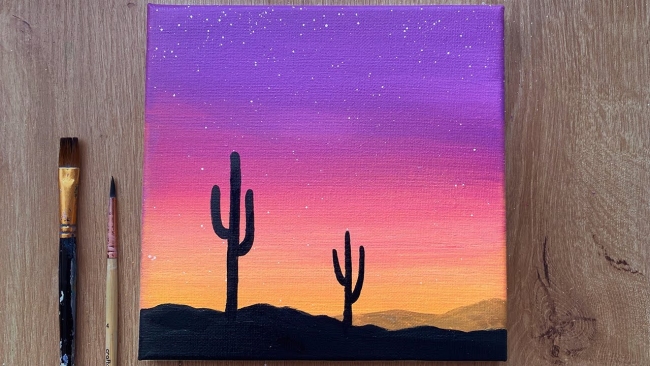
Simple Subjects
When you start painting, you want to pick subjects that feel easy and fun. Simple painting ideas help you focus on the basics. You can try things to paint like fruits, simple landscapes, or even flowers and leaves. These things to paint for beginners do not have too many details. You can finish them quickly and feel proud of your work. Picking easy things to paint for beginner artists helps you build confidence. You get to enjoy the process and see progress with each painting.
Tip: Look for inspiration in everyday life. Even a bowl of oranges or a single leaf can become a great painting.
Minimal Color Mixing
If you use a limited color palette, painting feels less overwhelming. You do not need to mix many colors. This makes it easier to learn how colors work together. When you use fewer colors, your painting looks more unified and pleasing. Many beginner artists find that easy acrylic painting projects with just a few colors turn out best. You can also try easy painting with watercolors or acrylic. Limiting your palette helps you understand color harmony and makes your artwork look more put together.
Start with three or four colors.
Try mixing just two colors at a time.
Notice how simple color choices can make your painting pop.
Approachable Techniques
You do not need fancy techniques to make beautiful art. Start with basic brush strokes and simple shapes. Many easy things to paint use just a few steps. You can watch tutorial videos to learn new ideas and see how artists use simple painting techniques. Try following a tutorial for your first acrylic painting. You will see how easy it is to create something you love. Remember, painting should feel fun and relaxing. Each new painting gives you more skills and ideas for your next project.
Nature Painting Ideas for Beginners
Nature gives you endless things to paint. When you look outside, you see colors, shapes, and patterns that make perfect subjects for beginner artists. You can try painting the sky, moon, and stars, or explore mountains, clouds, flowers, and even sunsets. These ideas help you practice simple painting and enjoy the process.
Sky, Moon, and Stars
The sky changes every day, so you always find new inspiration. You can start with a bright blue sky or try a night scene with a glowing moon and sparkling stars. Painting the sky lets you play with color and light. For the moon, use watered-down white paint and layer it to create a round, cratered look. To make stars, thin your paint with water and gently splatter it with a brush. Try using a soft brush in circular motions for a smokey effect in the sky.
Tip: Test your star splatters on scrap paper first. You can control the size of the dots and avoid making a mess on your painting.
Mountains and Clouds
Mountains and clouds are classic things to paint for beginners. You can use simple shapes for mountains and soft, fluffy strokes for clouds. Many artists forget to plan their painting, so sketch a small version first. Connect your clouds to the landscape so everything feels natural. Avoid using too much white in your clouds. Save the brightest spots for just a few areas to make your painting pop.
Try painting simple trees at the base of your mountains for extra detail.
Use different shades of blue and gray to add depth.
Tip: Make a quick thumbnail sketch before you start. This helps you decide where to place your mountains and clouds.
Flowers and Leaves
Flowers and leaves offer easy things to paint. You can find many ideas by looking at plants around you. Start with basic leaves in acrylic. Their shapes are simple, and you can use just a few brushstrokes. If you want more variety, try painting different types of leaves with watercolor. Look for leaves with interesting shapes and colors. You can even collect real leaves and use them to make prints or add texture to your painting.
Tip: Use a leaf as a stamp. Paint one side, press it onto your paper, and see the veins appear. This makes your painting unique and fun.
Sunsets and Rainbows
Sunsets and rainbows fill your painting with color. For a simple sunset painting, use a palette with reds, oranges, and purples. These colors blend well and create a warm, glowing effect. Rainbows let you practice painting curved lines and mixing bright colors. You can find many color palettes inspired by sunsets to guide your choices. Try blending your colors softly for a smooth look.
Tip: Paint your sunset while the paint is still wet. This helps the colors blend together and look natural.
Nature gives you endless ideas for painting. You can collect leaves, pine cones, or flowers and use them as tools. Try a nature walk and gather items with different textures. Use them to make marks, mix colors, or create abstract art. These activities make painting more fun and help you see the world in new ways.
Easy Things to Paint: Everyday Objects

Painting everyday objects is a great way to build your skills and have fun. You do not need fancy supplies or complicated setups. You can find things to paint for beginners right in your home. These simple painting projects help you see beauty in ordinary items and give you lots of ideas for your next artwork.
Teacups and Mugs
Teacups and mugs make perfect subjects for beginner artists. You can find them in almost every kitchen. When you paint a teacup, you practice drawing ovals and smooth curves. You also learn how to add patterns and details. This helps you get better at observation and precision. Painting the inside of a cup, especially if it has tea, lets you try color mixing and layering. You can play with light and shadow to make your cup look real.
Try arranging two mugs together for a simple composition.
Use acrylic paint to add bright colors and bold patterns.
Focus on the rim and handle to practice your brush control.
Tip: Place your mug near a window. Notice how the light creates highlights and shadows. This will make your painting pop!
Fruit and Vegetables
Fruit and vegetables are classic things to paint. They come in many shapes, colors, and textures. You can start with a single apple or banana. As you get more confident, try painting a group of fruits together. This helps you learn about balance and composition. Each fruit has its own strokes and contours, so you get to practice different techniques.
Pick one fruit and study its shape.
Use simple strokes to outline the form.
Add color in layers, starting with the lightest shade.
Blend colors to show roundness and shine.
You can use acrylic paint for bold, vibrant colors. Try painting on paper or canvas. If you want a challenge, paint vegetables like peppers or carrots. Their unique forms help you improve your observation skills.
Note: Fruits and vegetables are great for quick studies. You can finish a painting in one sitting and see fast progress.
Books and Stationery
Books and stationery offer endless ideas for painting. You can stack a few books or scatter pencils and erasers on your desk. These objects help you practice straight lines and simple shapes. Painting a sketchbook or a favorite novel lets you add personal touches. You can also paint everyday items like paper, pens, or even your smartphone.
Arrange your books in a neat pile or a messy stack.
Use a ruler to help with straight edges.
Try painting a scene with brushes, paper, and coins for extra detail.
Tip: Use 100% cotton paper if you want to try watercolor. It keeps your painting smooth and prevents warping.
If you need inspiration, check out art books like Daily Painting by Carol Marine or How to See Color and Paint It by Arthur Stern. These books give you step-by-step ideas and help you understand color and technique.
Flowers in Jars
Flowers in jars bring color and life to your painting. You can pick wildflowers or use artificial ones. Start by cleaning your jar and removing any labels. Paint a dark base layer, like purple, to make the flowers stand out. Use a fan brush for texture and a flat brush for leaves. Add flower petals in layers, letting each one dry before adding the next.
Prepare your canvas or paper.
Paint the jar first, using light blue or gray for glass.
Add a base color for the flowers.
Use a round brush to paint petals and leaves.
Finish with highlights to show light on the glass.
You can use acrylic paint for bright, lasting colors. Try practicing on scratch paper before painting your final piece. This helps you get comfortable with the shapes and brushstrokes.
Tip: Mix your own greens for leaves using blue and yellow. This gives your painting a natural look.
Painting everyday objects helps you see the world in a new way. You can use simple trees, buttons, coins, or keys as extra details in your still life. These projects are perfect for anyone who wants to try simple painting and have fun with new ideas.
Fun Animal Painting Ideas for Beginners
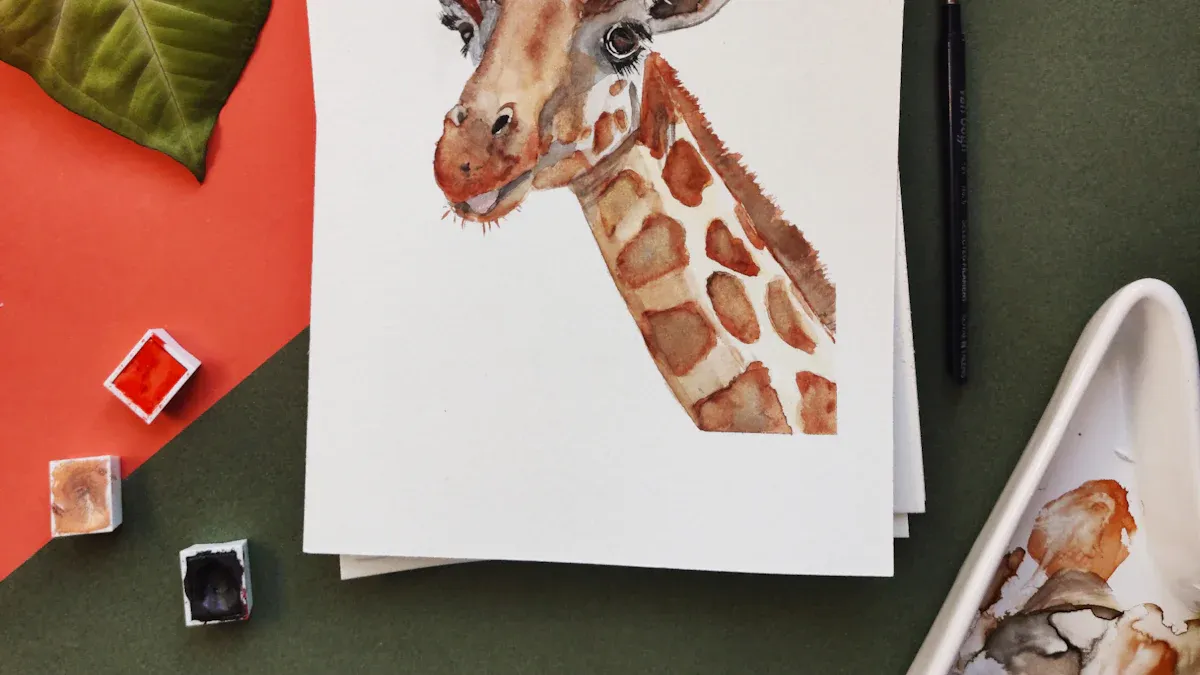
Painting animals brings a lot of fun to your art journey. You can choose things to paint that are cute, colorful, or even a little silly. Many beginner artists love animal subjects because you can try both realistic and cartoon styles. Let’s look at some easy ideas to get you started.
Butterflies and Birds
Butterflies and birds make great subjects for simple painting. You can use acrylic to create bright wings or soft feathers. Try easy butterfly paintings by drawing two big shapes for the wings and a small oval for the body. Add patterns and colors to make your butterfly stand out. Birds are also popular. You can paint a round body, a small head, and a triangle for the beak. Artists like Andrew Denman often paint birds in natural settings, while Chris Hart shows how to draw dogs in a comic style. If you want more inspiration, look at Carrie Stuart Parks and Joy Thomas for dog drawing tutorials.
Tip: Use a thin brush for details on wings and feathers. This helps your painting look lively.
Whales and Penguins
Whales and penguins are easy to paint with simple shapes. Start your whale by drawing a small circle for the front part of the body. Connect it with curved lines to a larger circle for the back. Add a small mark for the head and join it with a sideways arc. For penguins, use circles and ovals to build the body. You can follow a tutorial that shows how to add a simple Antarctic background. Try painting with acrylic for smooth blending and bold colors.
Draw basic shapes first.
Add details like fins or flippers.
Paint the background last.
Cartoon-Style Pets
Cartoon-style pets are perfect for beginner artists. You can paint dogs, rabbits, or even wolves using simple lines and bright colors. Start with a round head and big eyes. Add floppy ears or a wagging tail. Use acrylic to make your pet pop off the page. Many artists, like Lee Hammond, create black and white animal drawings, but you can add your own twist with color. Cartoon pets let you play with expressions and poses, making each painting unique.
Note: Try painting your own pet in a cartoon style. Use your favorite colors and have fun with silly faces.
Painting animals gives you endless ideas. You can use acrylic for bold effects or try simple painting with watercolors. Pick your favorite animal and start your next project today!
Abstract and Pattern Things to Paint
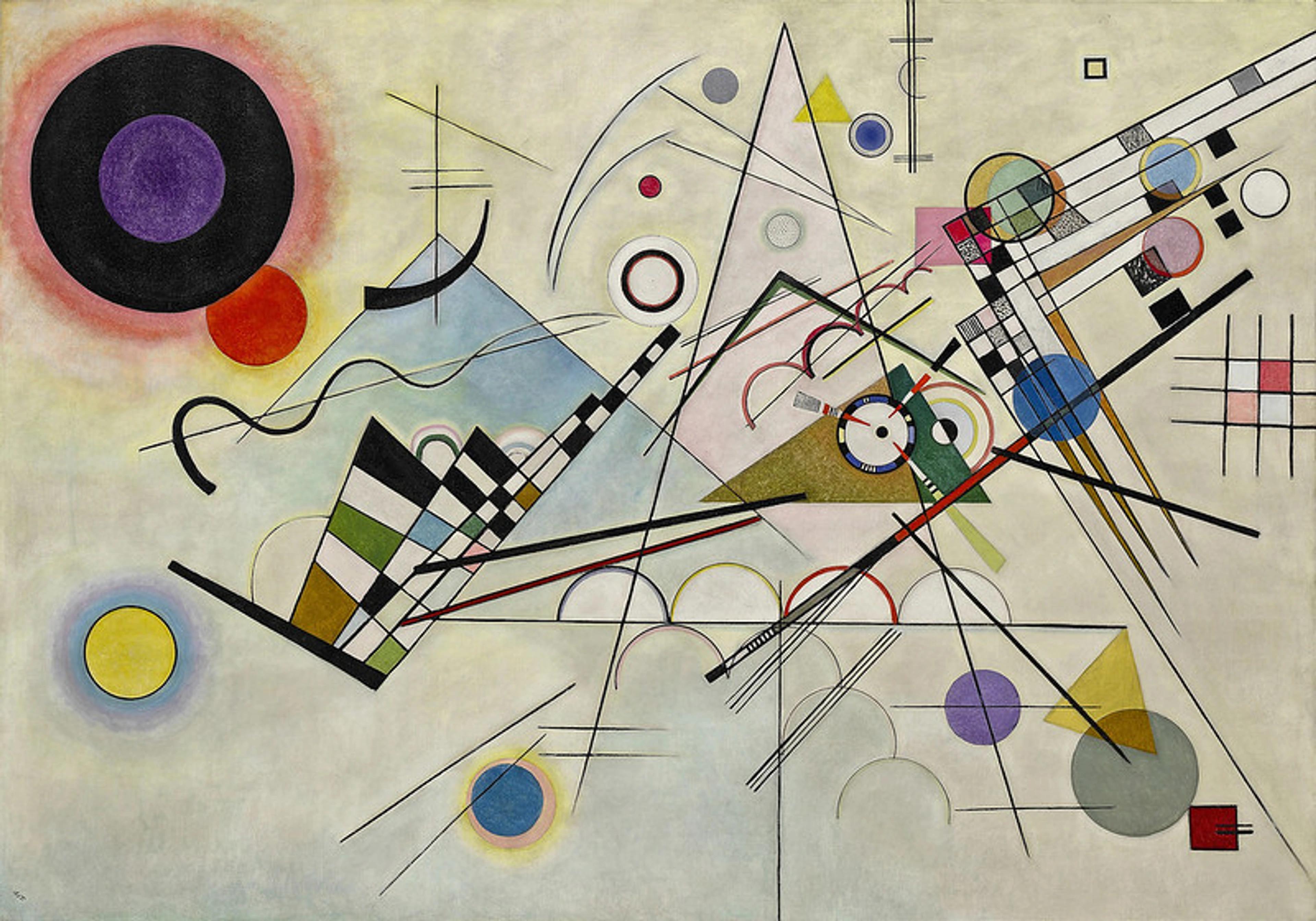
Abstract and pattern painting gives you the freedom to play with shapes, colors, and textures. You do not need to follow strict rules. You can just enjoy the process and let your creativity flow. Many beginner artists love these ideas because you can finish a simple painting quickly and feel proud of your work.
Geometric Shapes
You can start with circles, squares, or triangles. These shapes are easy to paint and look great together. Try painting balloons with circles and squiggly lines. Leaves and flowers also work well if you want organic shapes. Cacti and fruit make fun patterns, too. You do not need to worry about details. Just focus on repeating shapes and bright colors.
Try using a palette knife instead of a brush. This tool helps you create texture and makes your painting unique.
Color Blocks and Lines
Painting color blocks and lines is relaxing and satisfying. You can use a laser level to mark where you want your color to start. Paint a thin line with a small brush, then fill it in with a bigger brush. Use a roller to add more coats if you want bold colors. This technique works well with acrylic paint and helps you learn about color harmony.
Mark your lines with a laser or ruler.
Paint a thin line first.
Fill in the space with a larger brush or roller.
You can watch a tutorial to see how artists use these steps for smooth, clean results.
Dots and Patterns
Dots and patterns help you build confidence as you paint. You can make mandalas or simple dot designs. These patterns are easy to finish and look beautiful. Each dot helps you practice your brush control. You do not need to erase mistakes—just keep going and enjoy the process.
Benefit |
Description |
|---|---|
Build confidence |
Achievable designs help you feel successful. |
Develop muscle memory |
Repeating patterns improves your painting skills. |
Experience immediate stress relief |
Making dots and patterns feels calming. |
Create beautiful art quickly |
You can finish a painting in a short time. |
Embrace imperfection |
Mistakes become part of your unique artwork. |
Abstract and pattern painting lets you try new things. You can use watercolors for soft effects or gouache for a matte finish. Try vibrant colors to make your art feel happy and bright. If you want more inspiration, look for a calming abstract acrylic painting tutorial online.
Paint by Numbers and Guided Kits for Beginners
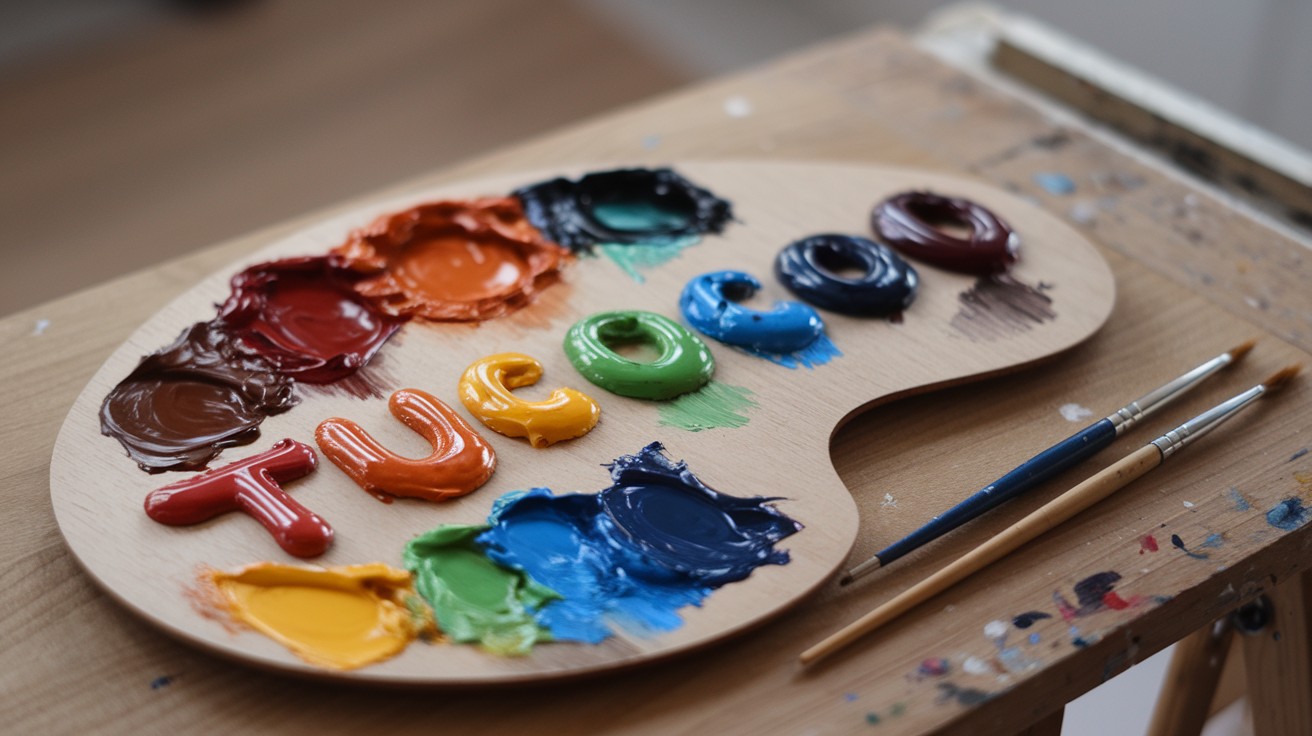
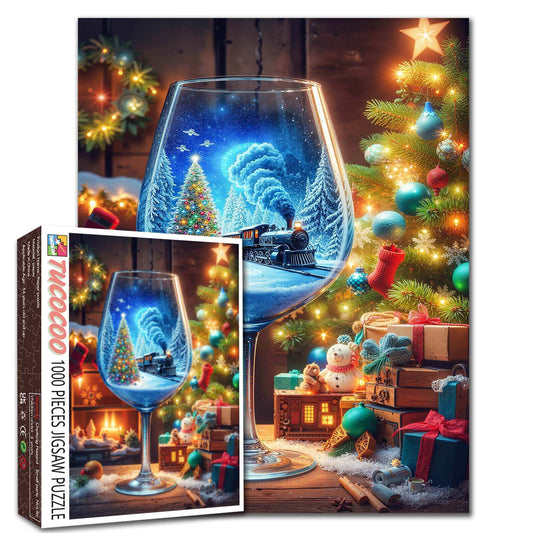
Tucocoo Paint by Numbers
How Paint by Numbers Works
Paint by Numbers gives you a simple painting experience. You get a canvas with numbers printed on it. Each number matches a color. You fill in each space with the right color. You do not need to worry about drawing or mixing colors. The kit includes brushes, acrylic paints, and easy instructions. You follow the steps and watch your painting come to life. Many beginner artists use these kits to learn basic techniques. You see how colors work together and how brush strokes change the look of your art. If you want more ideas, you can find a tutorial online that shows you how to finish your kit.
Tip: Start with the largest areas first. This helps you avoid smudging smaller details later.
Benefits for Beginner Artists
Guided painting kits offer many benefits for you as a beginner. You feel less pressure because the steps are clear. You build confidence with each finished section. Painting helps you express emotions that words cannot show. You focus on the present moment and forget daily stress. The creative process improves your concentration and problem-solving skills. You also boost your mental clarity. If you paint with friends or family, you share a unique experience. Painting together helps you bond and communicate in new ways.
Here are some benefits you might notice:
You relax and enjoy mindfulness.
You improve your focus and creativity.
You connect with others through shared art.
You learn simple painting techniques without feeling overwhelmed.
Paint by Numbers and guided kits give you easy ideas to start painting. You learn new skills and discover what you enjoy most about art.
Quick Tips for Beginner Painters
Choosing Materials
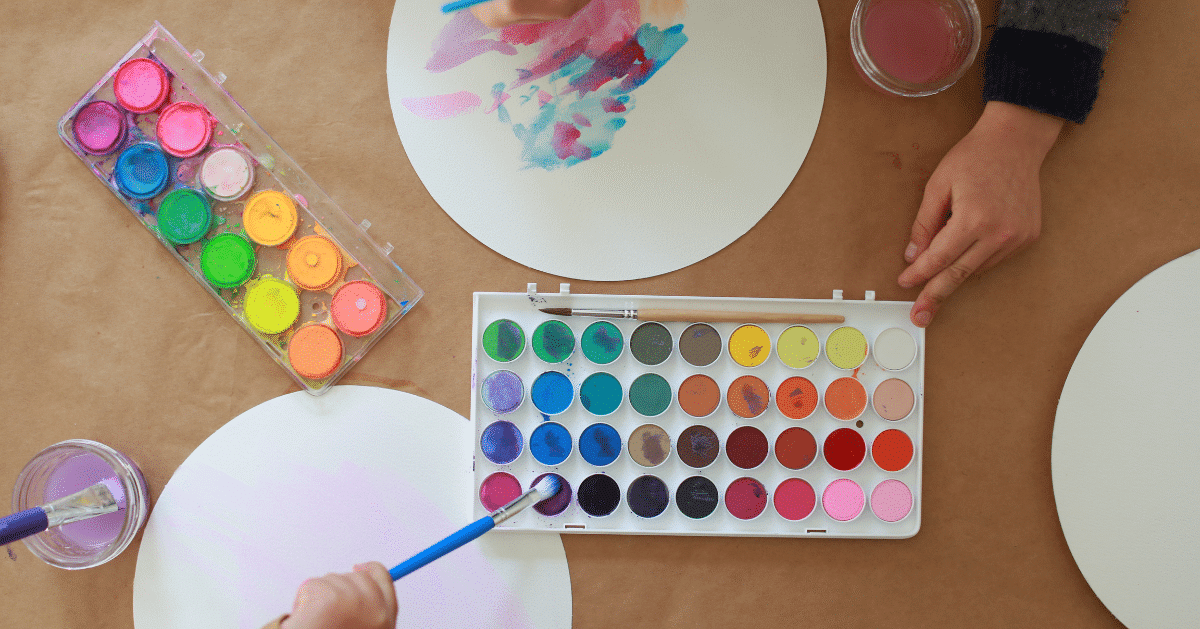
You do not need a lot of fancy supplies to start painting. Pick materials that make painting easy and fun. Many beginner artists like watercolors because they are portable and forgiving. Acrylic paints dry quickly and are safe to use. Gouache is another great choice if you want something between watercolor and acrylic. Try different brushes in various sizes and shapes to see what works best for you. Palettes help you organize your colors, and water containers keep your brushes clean. An easel gives you support and lets you paint at a comfortable height.
Tip: Start with a small set of paints and a few brushes. You can always add more as you learn new techniques.
Setting Up Your Space
A good painting space helps you feel creative. Set up your area away from distractions so you can focus on your art. Good lighting is important. North light works best because it stays even and does not create harsh shadows. You can change the color of your walls or add a partition to make your space feel special. Keep your supplies close by so you do not have to stop in the middle of a painting.
Choose a spot that feels calm.
Make sure you have enough light.
Keep your area tidy for easy painting sessions.
Staying Motivated
Staying excited about painting can be tough sometimes. Set small goals, like finishing one painting each week. Think about why you want to paint, not just how you do it. Share your ideas and progress with friends or family. You can join a friendly art challenge or work on more than one painting at a time. Take breaks when you need them. Try a new tutorial or experiment with a different medium to keep things fresh. Remember, simple painting is about enjoying the process and growing as an artist.
Remember: Every painting teaches you something new. Celebrate your progress and keep exploring new ideas!
Choose one idea and begin your simple painting now. Practicing often helps you get better at focusing. It also helps your hands move more smoothly. You will notice improvement with each acrylic tutorial you do. Vincent van Gogh said, “Great things are done by a series of small things brought together.” Have fun as you learn to paint!