
The 15 Most Iconic Horse Paintings in Art History
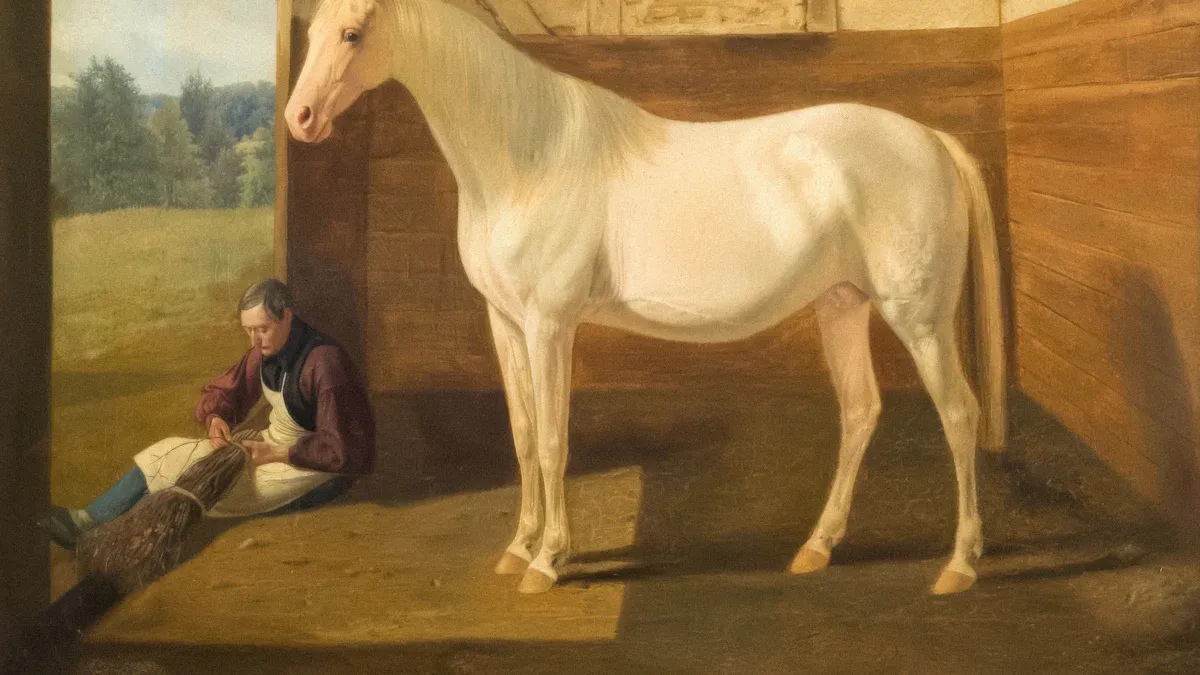
If you’re wondering about a famous painting with a horse, think about walking through a grand museum. You stop in front of a famous painting with a horse, where the animal appears both powerful and elegant. Throughout art history, artists such as Leonardo da Vinci, Jacques-Louis David, and Pablo Picasso have each created a famous painting with a horse that stands out for its impact. These works are more than just beautiful—they introduce new ideas, reflect culture, and carry deep meaning. Horses have appeared in art from ancient battle scenes to modern masterpieces, often symbolizing power or freedom in many cultures. Take a look at the table below, which highlights how museums and galleries showcase a famous painting with a horse from different eras in art history.
Artist |
Painting Title |
Year |
Location |
|---|---|---|---|
Paolo Uccello |
The Battle of San Romano |
1438 |
Louvre |
Leonardo da Vinci |
Study for a group of knights for the Battle of Anghiari |
1503-04 |
Royal Collection, Windsor Castle |
Peter Paul Rubens |
Copy of the Battle of Anghiari |
1603 |
N/A |
Caravaggio |
The Conversion of St. Paul |
1601 |
S.Maria del Popolo, Rome |
Johann Heinrich Füssli |
The Nightmare |
1790 |
N/A |
Jacques Louis David |
Napoleon Crossing the Alps |
1800 |
N/A |
Franz Marc |
Blue Horses |
1913 |
N/A |
Pablo Picasso |
Guernica |
1937 |
N/A |
Key Takeaways
Horse paintings show power and freedom. They display the strength and beauty of horses. Artists have used horses to stand for big ideas. These ideas include nobility and independence. The friendship between people and horses is a common topic. It shows teamwork and trust in many ways. Horse art has changed over time. It went from looking real to showing more feelings. This change has shaped modern art styles. Famous horse paintings share stories. They help people connect to history and culture. They also show the deep feelings between humans and horses.
What Makes Equestrian Art Special
Artistic Innovation
Artists try new things when they paint horses. They use different styles and ideas to show what horses are like. Over the years, artists found ways to show how horses move and feel. They made horses look strong and full of life. Look at this table to see how artists changed horse art in each time period:
Period/Artist |
Innovation in Horse Depiction |
|---|---|
Roman Kingdom |
Realistic bronze statues, showing military power (like the statue of Marcus Aurelius). |
Renaissance |
Horses as symbols of power; da Vinci’s studies made them more lifelike. |
Romanticism |
Stubbs painted horses with great detail; Delacroix showed their wild side. |
Impressionism |
Degas captured racehorses in motion, making scenes feel alive. |
Modern Art |
Artists like Butterfield used horses to explore nature and industry. |
Each artist added something new to horse paintings. These changes helped make many horse paintings famous.
Cultural Impact
Horse art is more than just pretty pictures. It shows what people cared about in the past. Paintings of horses tell us what was important to people. Horses often stand for power, freedom, and being noble. In many places, horses helped with travel, farming, and fighting wars. When you look at horse paintings, you see how much people needed horses. These paintings help you learn about different cultures and their stories.
Did you know? Many paintings show kings and leaders on horses to show their power.
Symbolism of Horses
Horses in art have special meanings. In Western culture, horses often mean freedom and strength. Sometimes, they are shown running free or leading a group. In Celtic stories, horses bring good luck and stand for strong women, like the goddess Epona. In Eastern cultures, a white horse can mean peace and winning. Horses also show up in myths, pulling chariots for gods or being magical. The meaning of horses in art has changed over time. At first, they meant strength and power. Later, they also showed hard work and being loyal.
-
Horses can mean:
Freedom and breaking free
Good luck and having children
Peace and winning
When you look at horse art, you see how artists use horses to share big ideas and feelings. This is why these paintings are so special.
Most Famous Horse Paintings in Art History
1."Whistlejacket" by George Stubbs – a famous painting with a horse

Whistlejacket is a well-known painting of a horse that looks very real. George Stubbs made this artwork in 1762. The horse is life-size and stands up on its back legs. There is no background, so you only see the horse. Stubbs paid close attention to every muscle and detail. He knew a lot about horse bodies. This painting changed old ideas about animal art. It made animal paintings as important as people portraits. The horse’s pose and look make it easy to remember. The plain background gives it a classic style. This connects it to the Romantic movement. Many people think it is one of the most famous horse paintings ever.
Stubbs studied horses carefully to make them look real.
The big size and pose show the horse’s special character.
The simple background makes you focus on the horse.
2."The Horse Fair" by Rosa Bonheur

The horse fair is a famous painting that shows lots of action. Rosa Bonheur finished it in 1855. The painting shows a busy horse market in Paris. You see strong horses and trainers working together. Bonheur made each horse look different and full of life. She was a woman artist in a field with mostly men. The painting shows the close bond between people and horses. It also shows their strength and beauty. This artwork is very important in horse art. It is still one of the most famous horse paintings today.
The painting shows how horses and trainers work together.
Bonheur’s details show each horse’s spirit.
Her success as a woman artist makes the painting even more special.
3."Napoleon Crossing the Alps" by Jacques-Louis David

Napoleon crossing the alps is a painting that tells a story of power. Jacques-Louis David painted it in 1801. Napoleon sits on a horse that is standing up. He wears a bright red cloak. The horse looks strong and proud. This makes Napoleon look like a hero. David wanted people to see Napoleon as a great leader. He linked him to other famous leaders from history. The painting uses strong colors and movement to catch your eye. It became a symbol of power and inspired other horse paintings.
The painting’s action makes Napoleon look brave.
David used the painting to help Napoleon’s image.
4."Equestrian Portrait of Charles I" by Anthony van Dyck
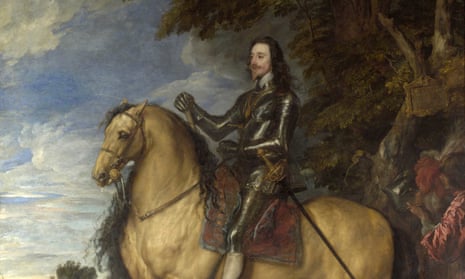
Anthony van Dyck painted Charles I on a horse to show royal power. He made this painting around 1638-39. It shows Charles I during a hard time in England. The king sits tall and looks calm on his horse. The painting was made before the English Civil War. Later, Charles I was executed, which makes the painting sad. Van Dyck’s work keeps the king’s image strong, even though history changed.
Event/Context |
Description |
|---|---|
Creation of the Portrait |
Painted around 1638-39, during a time of political tension in England. |
War with Scotland |
Charles I was on the verge of war with Scotland when this portrait was created. |
English Civil War |
The portrait was made just a few years before the outbreak of the English Civil War in 1642. |
Execution of Charles I |
Charles I was executed for treason in 1649, marking the end of his reign and the rise of a Republic. |
The painting shows Charles I’s power during tough times.
It reminds us of what happened to the king later.
5."The Charging Chasseur" by Théodore Géricault

The charging chasseur is a painting full of energy. Théodore Géricault painted it in 1812. It shows a French soldier riding into battle. The horse twists and turns quickly. Géricault used bold colors and strong brushstrokes. The painting feels wild and exciting. It is different from older, calmer art. The charging chasseur helped start the Romantic movement in horse art. It inspired many artists after Géricault.
The painting’s action and color make it exciting.
Géricault’s style shows the chaos of war.
6."The Blue Horse" by Franz Marc
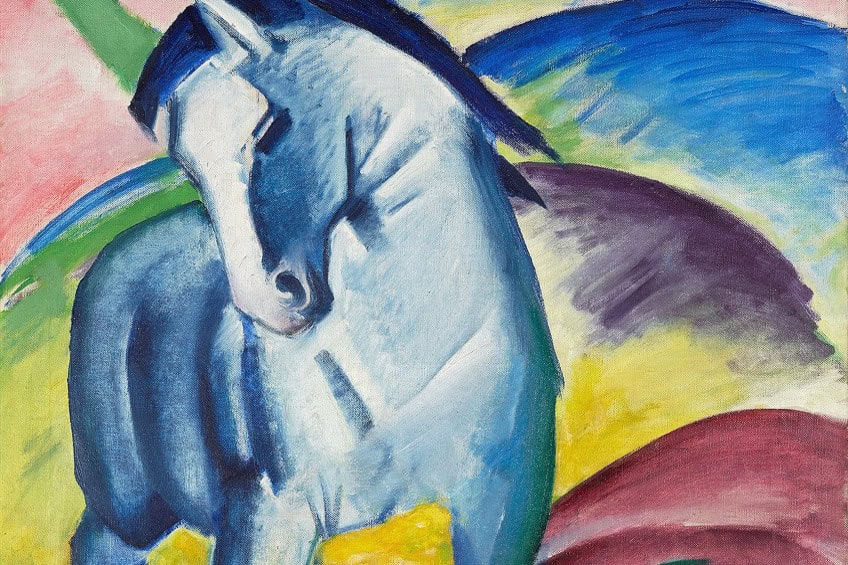
The blue horse is a painting that looks very different from others. Franz Marc painted it in 1911. He used bright blue to show the horse’s spirit, not just its body. Marc helped start the Blue Rider group. They wanted to show feelings with color and shapes. The blue horse became a symbol of German Expressionism. It changed how people thought about horse art.
The blue color shows feelings and spirit.
Marc’s painting helped start new art styles.
7."The Jockey" by Edgar Degas
If you like horse racing, you will enjoy the jockey by Edgar Degas. He painted it in the late 1800s. The painting shows the tense moment before a race starts. Degas watched horses and riders at racetracks. He learned how they moved. He used new ways, like photography, to show motion. The jockey shows the close link between horse and rider. It brings horse racing to life.
Degas focused on how horses move.
The painting shows the excitement of racing.
8."The Horse in Motion" by Eadweard Muybridge
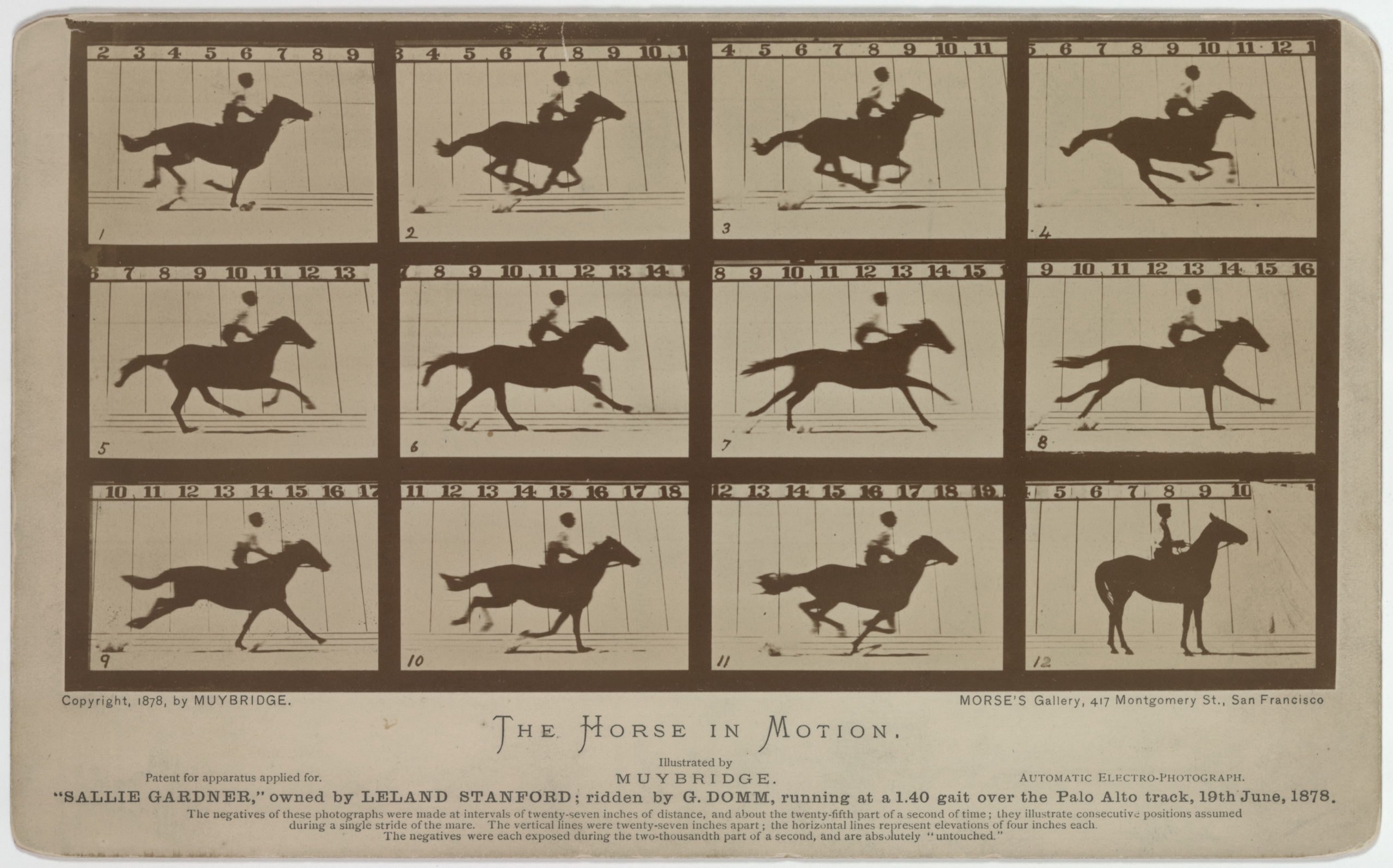
The horse in motion is not just a painting, but a set of pictures. Eadweard Muybridge made them in 1878. He used special cameras to see how horses run. People wanted to know if all four hooves leave the ground. Muybridge’s photos proved they do. These images helped artists learn about movement. They also led to the first movies. The horse in motion inspired many artists and filmmakers.
"The Horse in Motion studies are commonly regarded as a landmark in the development of motion picture media, influencing not only filmmakers but also contemporary artists and cultural narratives, as seen in works like Jordan Peele's film Nope."
9."The White Horse" by John Constable
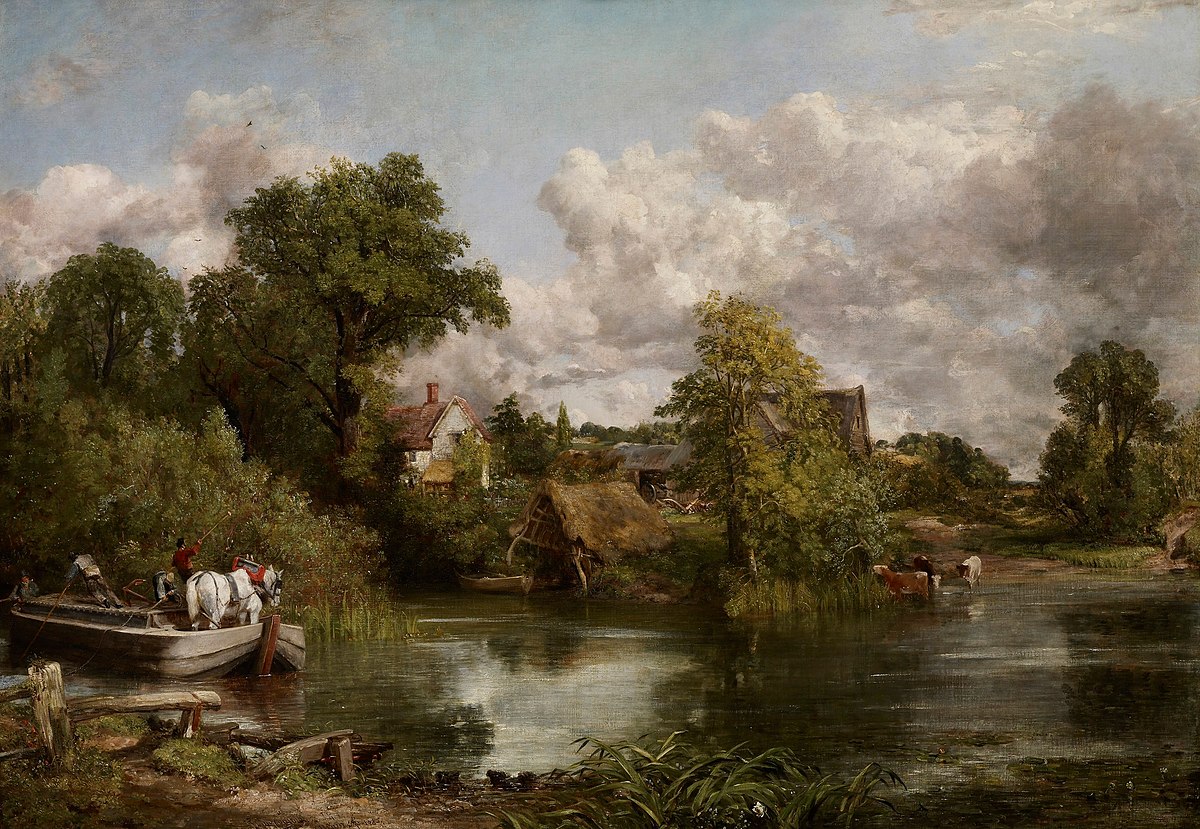
The white horse is a painting that shows peaceful country life. John Constable painted it in 1819. You see a calm horse by a river. There are green fields and trees around. Constable loved the English countryside. He painted every part with care. The horse and the land together feel calm and happy. The white horse is famous for its beauty and feeling.
The painting shows the quiet side of country life.
Constable’s details make the scene feel real.
10."Equestrian Portrait of Philip IV" by Diego Velázquez

Diego Velázquez painted Philip IV on a horse to show royal power. He made this painting in the 1630s. The king sits on a strong horse that is moving. The king’s pose and the horse’s energy show control. Velázquez used careful details to show the king’s power. The painting shows how kings ruled in Spain’s Baroque era.
The painting makes the king look strong and skilled. The horse’s movement adds to the feeling of power.
11."Guernica" (Horse Detail) by Pablo Picasso
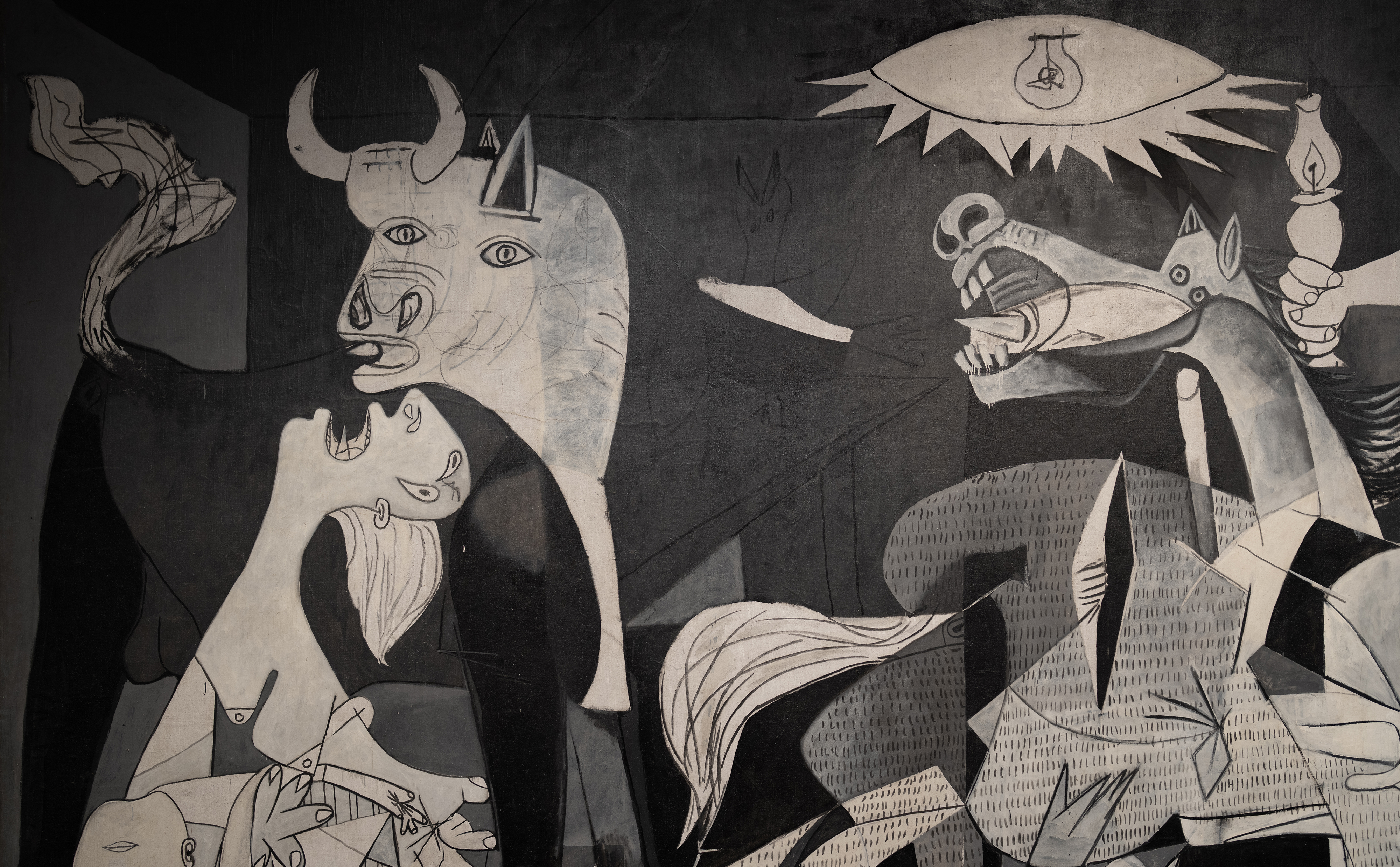
In guernica, Picasso uses a horse to show the pain of war. He painted it in 1937 after the bombing of Guernica. The horse in the middle looks hurt and scared. It stands for the innocent people hurt by war. Picasso’s style is bold and full of feeling. You can sense the chaos and sadness. Guernica is famous because it uses a horse to show suffering.
The horse shows the pain of people during war.
12."St. George and the Dragon" by Raphael
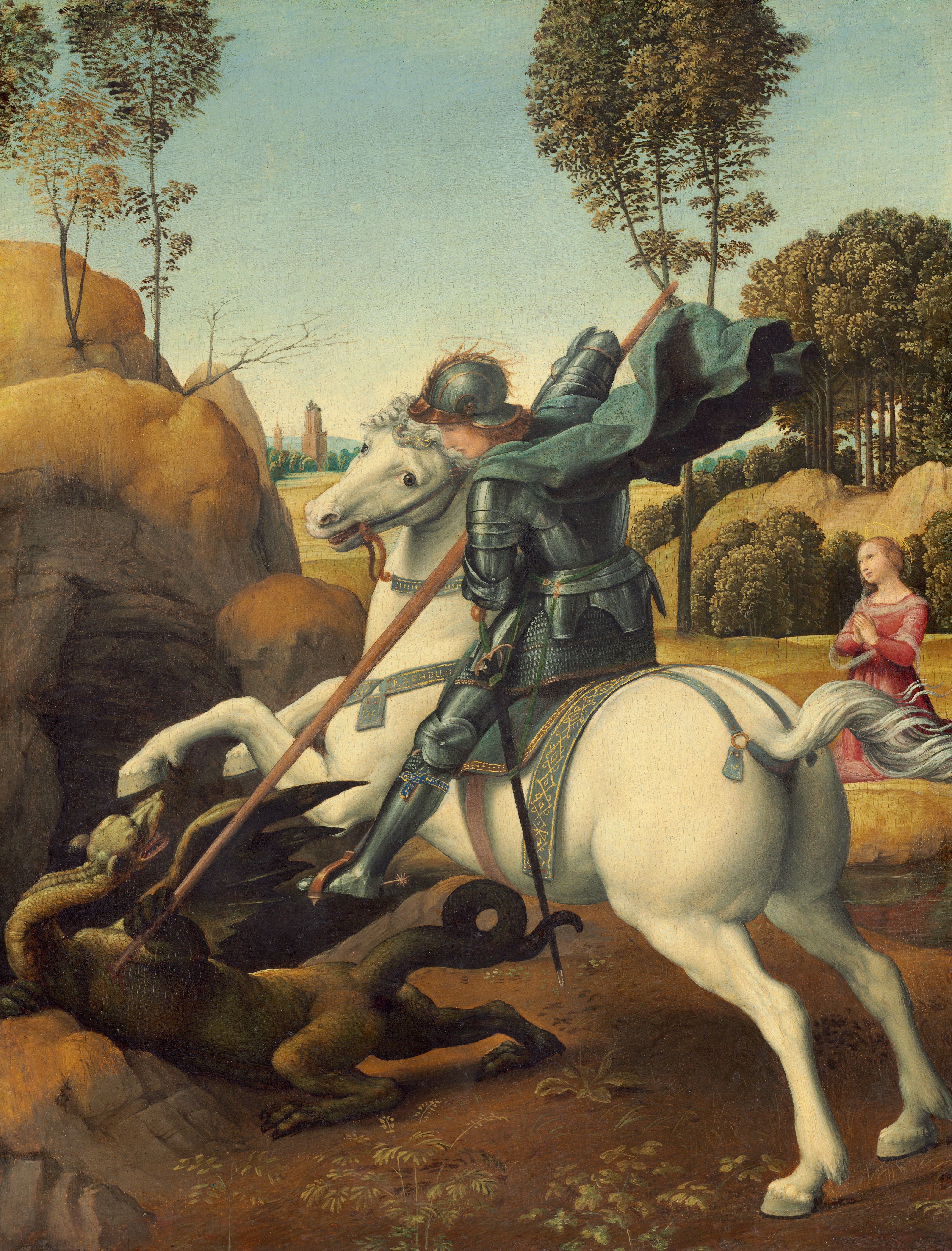
Raphael’s st. george and the dragon tells a story of bravery. He painted it around 1506. Saint George rides a strong white horse and fights a dragon. The horse’s muscles show strength and purity. This matches the saint’s courage. Raphael used the horse to show good winning over evil.
Feature |
Description |
|---|---|
Horse Anatomy |
Naturalistic muscles in legs and neck show strength and purity. |
Symbolism |
The horse stands for righteousness and supports the story’s religious theme. |
13."The Four Horsemen of the Apocalypse" by Albrecht Dürer
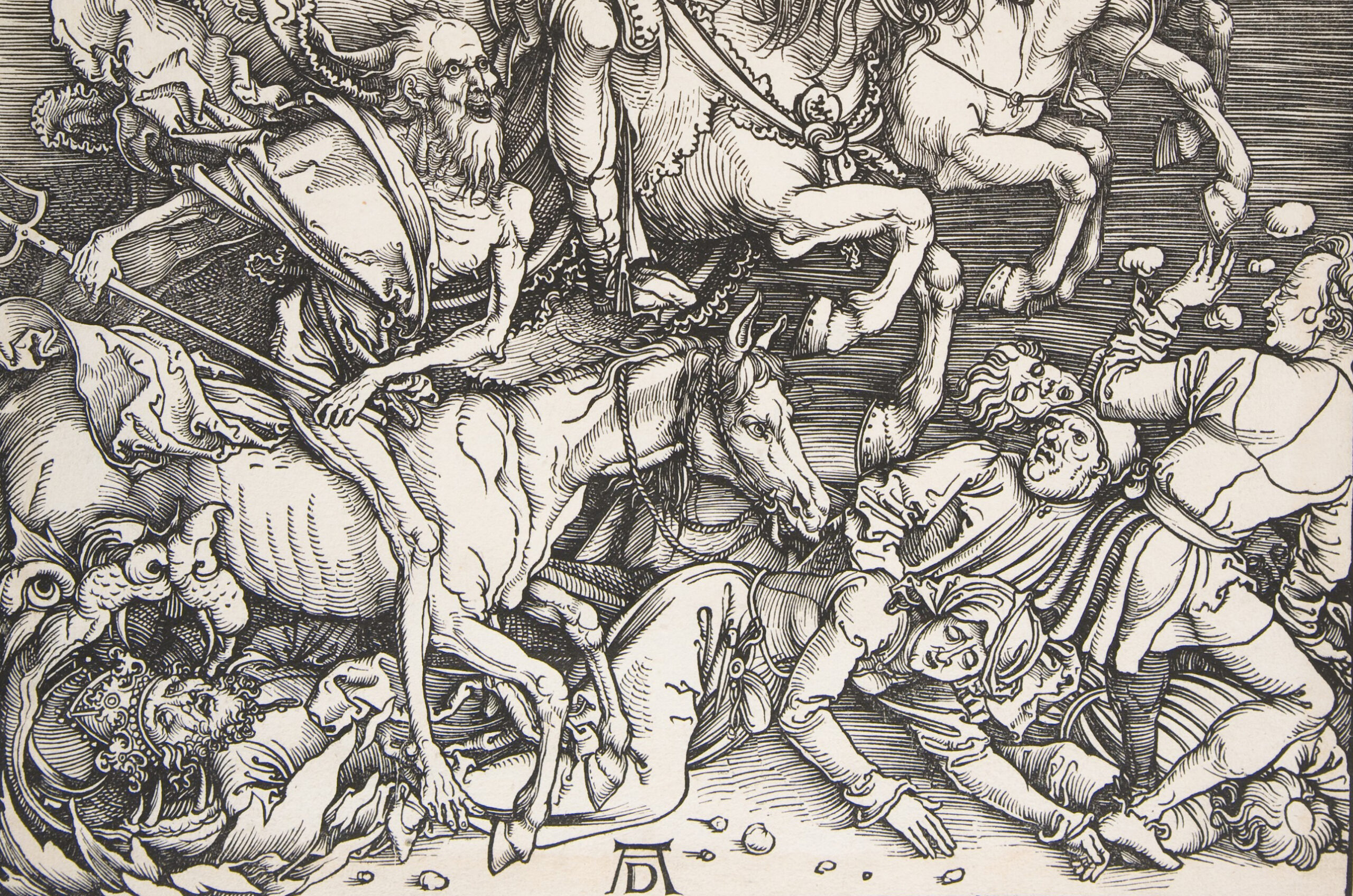
The four horsemen of the apocalypse brings a Bible story to life. Albrecht Dürer made this woodcut in 1498. You see four horses with riders charging forward. Each horse means something: conquest, war, famine, or death. Dürer’s style makes the scene dramatic and full of movement. This painting shows how horses can stand for big ideas.
White Horse: Conquest
Red Horse: War
Black Horse: Famine
Pale Horse: Death
Dürer’s woodcut style makes the scene feel dangerous.
14."The Battle of Anghiari" (Horse Detail) by Leonardo da Vinci
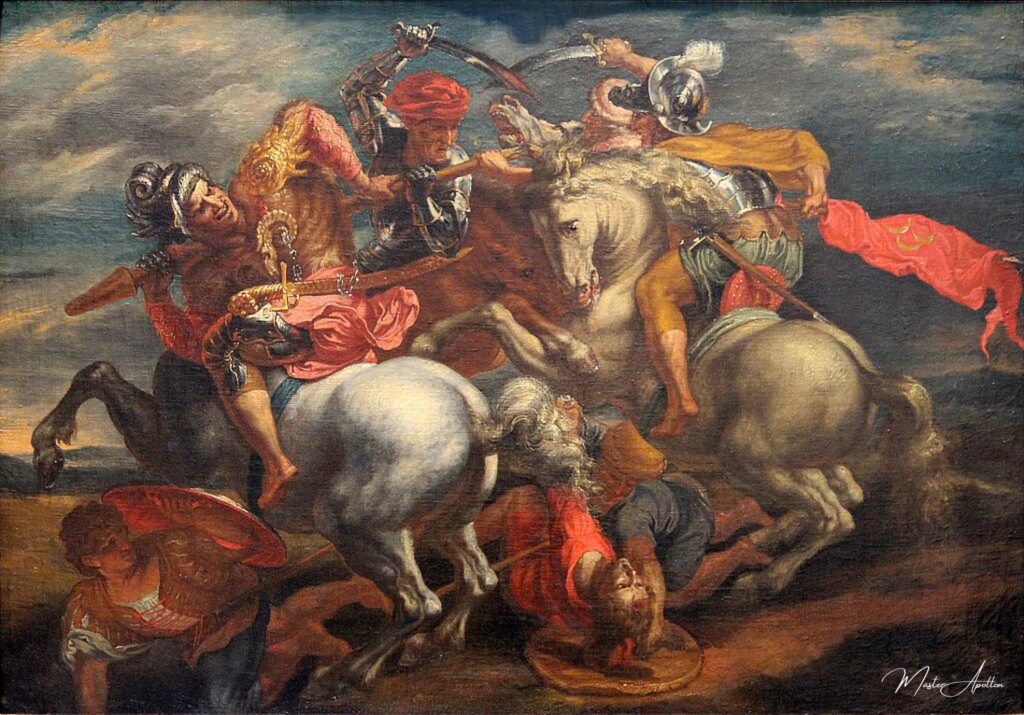
Leonardo da Vinci’s battle of angiari shows the wild side of war. The original painting is lost, but sketches and copies remain. Leonardo drew horses with strong muscles and lots of energy. The main scene shows men fighting on wild horses. It captures the power and anger of battle.
"...not to mention the incredible mastery that he displayed in the forms and lineaments of the horses, which Leonardo, with their fiery spirit muscles, and shapely beauty, drew better than any other master."
"The central scene would have depicted four men riding raging war horses engaged in a struggle for possession of a standard at the Battle of Anghiari... This drawing succeeds in portraying the fury, the intense emotions and the sense of power that were presumably present in the original painting."
15."Horse Frightened by a Lion" by George Stubbs

Horse frightened by a lion is a painting about fear. George Stubbs painted it in 1770. You see a horse with wide eyes and tight muscles. The horse is scared because a lion is close. Stubbs used the horse’s body and the dark woods to show fear. This painting looks at animal feelings, not just how they look. It stands out for showing animal instincts.
The horse’s face and body show its fear.
Stubbs shows that animals can be strong but also scared.
If you want to see how artists use horses to tell stories, share feelings, and try new things, these are the most famous horse paintings to see. Each painting adds something special to horse art, from power and beauty to fear and freedom.
American Equestrian Art and the Western Tradition
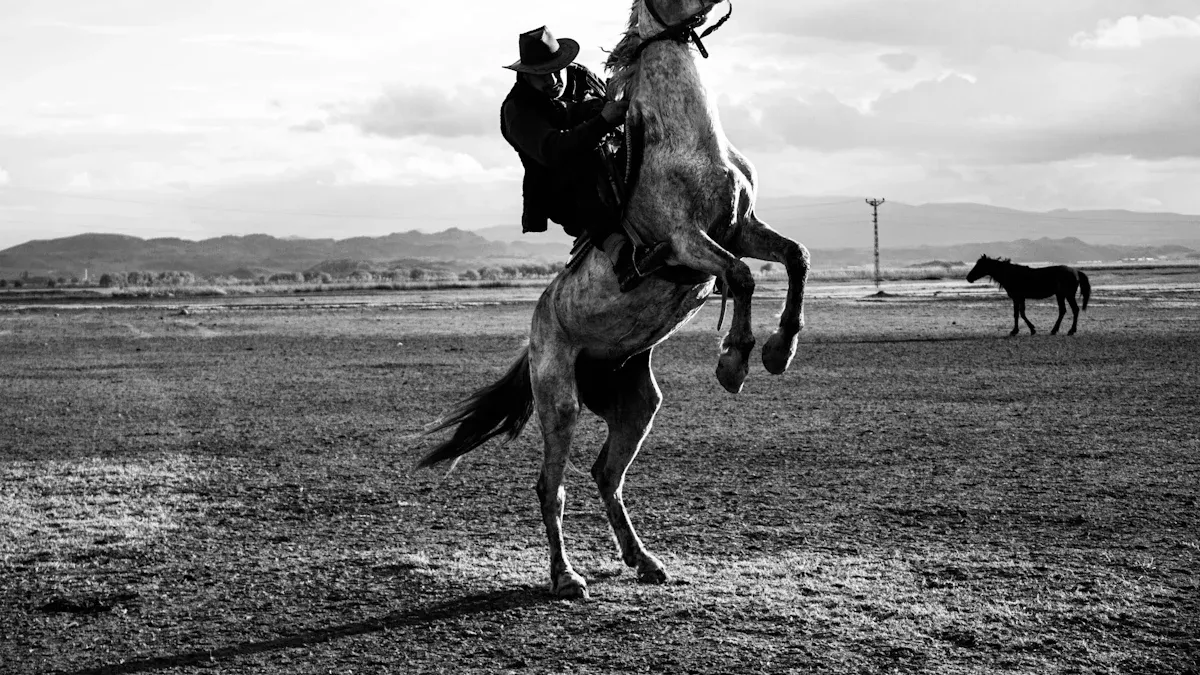
When you think of the American West, you might imagine big open land, cowboys, and horses. Horses changed how people lived and traveled. Artists painted these moments, turning daily life into vintage horse painting treasures. Horses are everywhere in Western equine art. You see wild mustangs running and cowboys riding on dusty trails.
Here’s how horses changed Western art:
Role of Horses in Art |
Description |
|---|---|
Cultural Transformation |
Horses changed how Native Americans and cowboys moved and worked. They helped build traditions. |
Symbolism |
Horses stand for freedom and independence in Western pictures. |
Artistic Representation |
Artists show horses helping in war, ranching, and daily life. Horses are important in Western heritage. |
In the 1800s, horses became signs of freedom and independence.
Artists often painted horses as heroes of the frontier.
Horses were useful but also shaped the West’s identity.
Frederic Remington’s Western Horses
You can’t talk about Western painting without Frederic Remington. His art shows the adventure and spirit of frontier life. Remington’s paintings have cowboys and horses in action. They show the Wild West’s rough side. When you look at his vintage horse painting scenes, you feel the dust and excitement.
Remington’s cowboy images helped create the story of the American West. His paintings made working cowboys into heroes. Horses look tough, loyal, and ready for adventure.
Remington made cowboys symbols of strength.
Horses in his art show courage and independence.
C.M. Russell’s Frontier Scenes
C.M. Russell is called the “cowboy artist.” He made over 2,000 artworks. His paintings show horses in many frontier moments. You see action, tension, and quiet times. Russell’s equine art shows the wild spirit of the West. It also shows the bond between cowboys and horses.
Russell’s paintings show the tough life of the frontier.
Horses are in every scene, from wild chases to calm mornings.
You see both the hard side and the friendship between cowboys and horses.
Russell’s horse scenes make you feel the excitement and challenges of Western life. His painting style shows the personality of horses. Each vintage horse painting tells a story about courage and friendship.
The exhibition inspired by Joel Nelson’s poem Equus Caballus shows how much horses mean to people in the West. These artworks show the strong bond between humans and horses. Equine art is a powerful way to share stories.
If you want to learn about the American West, look at Remington and Russell’s paintings. Horses are always in the center. They show freedom, strength, and adventure.
Themes in Famous Horse Paintings
Power and Freedom
When you look at horse paintings, you see power and freedom. Artists like to show horses running or jumping. Horses look strong and graceful in these pictures. Sometimes, you see a rider who looks brave and confident. Horses stand for chasing dreams and being determined. They also show independence and beauty. In many cultures, horses in art mean high status or mark big events. You can find these ideas in old horse paintings or famous man and horse art.
-
Horses in art often stand for:
Power and strength
Freedom and independence
Adventure
Human-Horse Relationship
Many paintings show a close bond between people and horses. Artists use different ways to show this connection. Sometimes, the horse copies the rider’s feelings. Other times, horse and rider work together in races or on farms. Horses trust their riders and work as a team. Some artists use special photos to show horses moving. This makes the art feel full of life. The bond between people and horses tells stories of friendship and respect.
Horses in art show that teamwork and trust make great things.
Evolution of Equestrian Art
How artists paint horses has changed a lot over time. Long ago, people drew horses on cave walls to show freedom. In Ancient Rome, horses were in war scenes to show leaders’ power. Later, artists made horses the main focus and gave them wisdom. In the 1800s, horse racing became popular, and artists painted fast horses. Photography helped artists show horses moving in real life. Today, horses appear in wild places and busy cities.
Here’s a look at common themes in horse paintings:
Theme |
Description |
|---|---|
Horses in battle |
Art shows horses in war, showing their importance in history. |
Horse racing |
Paintings of racing horses show their speed and competition. |
Rural and working life |
Art shows horses helping with farm work and labor. |
Hunting scenes |
Paintings often show horses and people hunting together. |
Wild and working horses |
Some artists show horses in nature or working hard. |
You can see that horses have inspired artists for thousands of years. Whether you like old horse paintings or new racing art, horses always add energy and meaning.
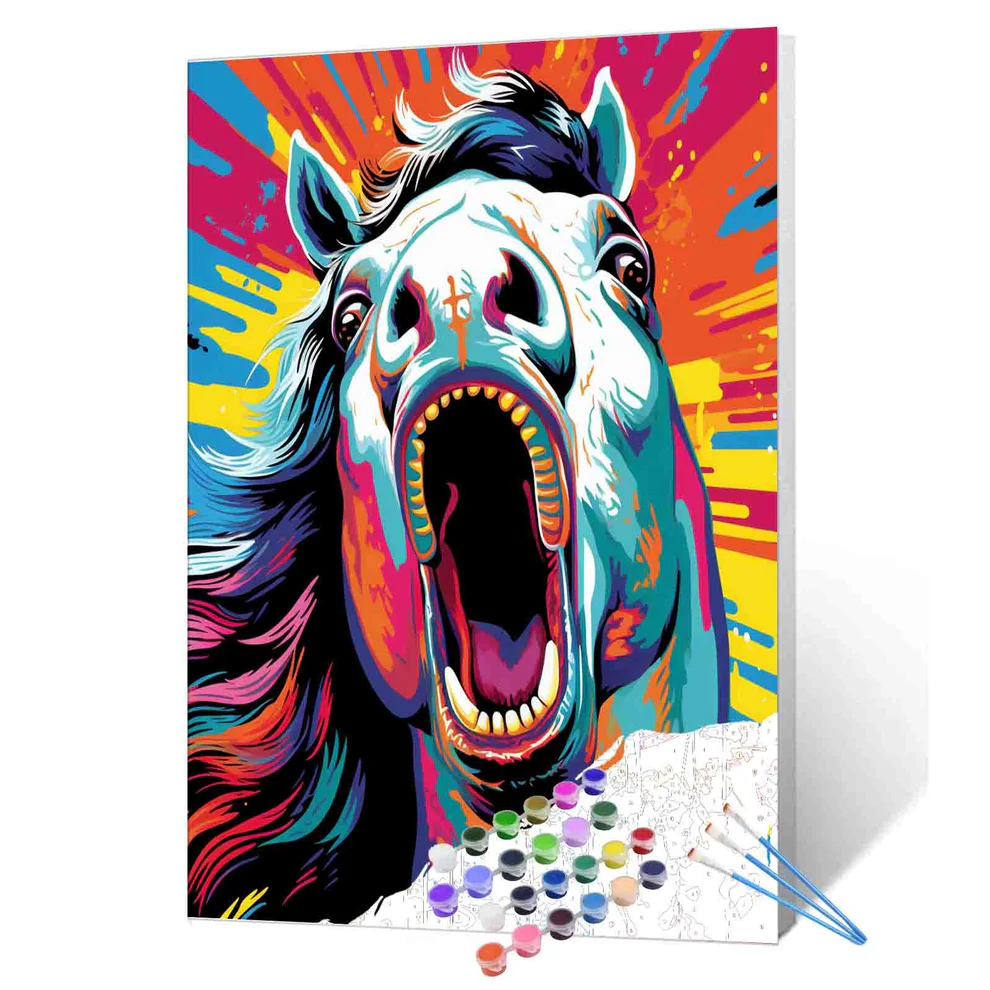
Tucocoo Animals Paint by Numbers
You can find horses in art from old caves to today’s museums. Artists like to show how horses look and act. These well-known paintings show horses as strong and free. They also show the bond between people and horses. You can go to museums or read books to learn more. Horses help artists tell new stories and try new ideas. Check out the table below to see why horses are still loved in art.
Description |
Significance |
|---|---|
Shows people cared about horses long ago |
|
Horses in British hunting and racing art |
Shows horses changed sports and culture |
Horses with unique character in art |
Makes each painting stand out and be remembered |
Do you have a horse painting you like? Share your ideas and talk about these great artworks.