
What Lies Beneath the Brushstrokes of Iconic Masterpieces
Have you ever thought about what secrets are hidden beneath the most famous paintings? You see more than just paint on the canvas. Special tools like X-ray fluorescence reveal hidden faces and lost scenes in the most famous paintings. These tools help us discover how deep the stories in these masterpieces go. These findings let you learn about the artist’s ideas and show the lasting beauty and emotions found in the most famous paintings. When you look closely, art history comes alive. Every brushstroke adds to the beauty that makes the most famous paintings truly special.
Key Takeaways
Find hidden stories in famous paintings. Notice small details that show deeper meanings. These details can help you feel closer to the past.
Learn about symbolism in art. Seeing symbols can help you enjoy masterpieces more.
Use technology to find secrets in art. Tools like X-ray fluorescence can show hidden layers and stories in famous artworks.
Connect with art through your feelings. Watch how colors and shapes show emotions. They also show what the artist went through.
Go to museums with an open mind. Treat each artwork like a mystery to solve. This can make your visit more interesting.
Stories Behind Famous Masterpieces
You can find many stories in famous masterpieces. These stories show more than what you see at first. Art history teaches you that iconic paintings have hidden tales and feelings. They also have symbols that mean something special. When you look at these artworks, you find interesting stories. These stories connect you to the past. They help you learn what each brushstroke means. Some famous works, like girl with a pearl earring and american gothic, ask you to look for clues. You can try to solve the mysteries under their surfaces. The most famous paintings share beauty and deep stories. These stories still inspire people today.
Tip: When you study paintings, look for small details. These details can help you find the secrets and stories in each masterpiece.
Symbolism in Botticelli’s Birth of Venus

Botticelli’s Birth of Venus is a very famous painting. You see Venus coming out of the sea. She is surrounded by figures that stand for growth and new beginnings. Art historians say Venus stands for love, beauty, and fertility. The Horae of Spring is close by. This figure shows the change of seasons and the energy of life. Zephyrus and Flora are also there. They show the caring side of nature and the idea of rebirth.
Venus: Stands for love, beauty, and fertility.
Horae of Spring: Means growth and new beginnings.
Zephyrus and Flora: Show nature’s caring side and life’s growth.
The shell under Venus is more than decoration. It stands for fertility and beauty. It connects to old stories about rebirth and creation. The orange trees in the background link the painting to the Medici family. This supports the ideas of fertility and beauty. You can see how every part of this painting tells a story. The stories are about love, creation, and nature’s power.
Secrets of Van Eyck’s Arnolfini Portrait
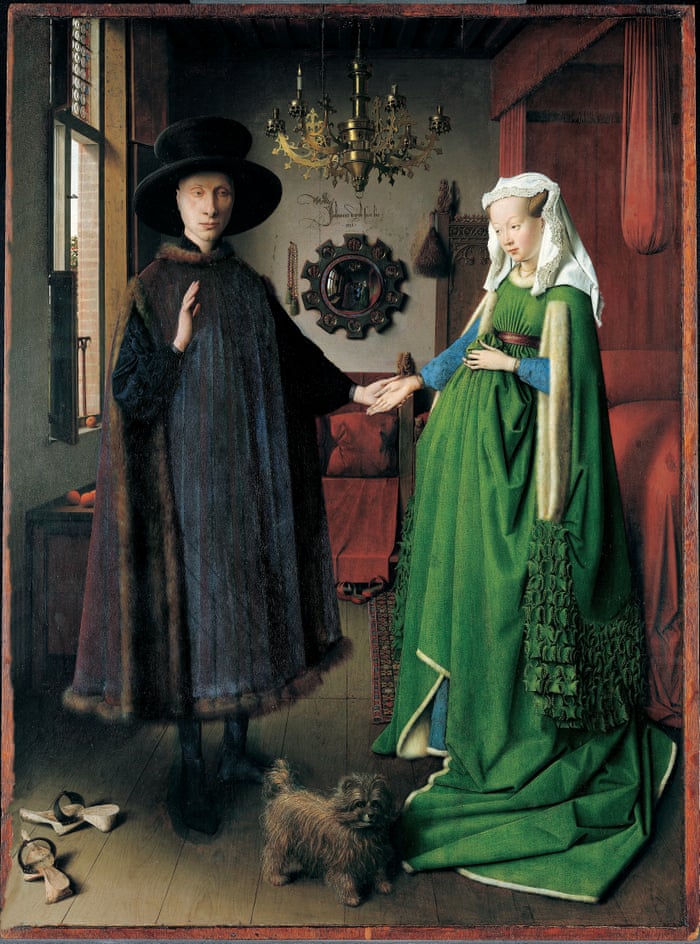
When you look at Van Eyck’s Arnolfini Portrait, you enter a world full of secrets. This painting is famous for its hidden details and stories. New technology has found clues about the couple’s wealth. You can see these clues in the chandelier, fancy fabrics, and special foods. The convex mirror shows two figures. One might be Van Eyck himself. This hints that the artist is there and that God is watching. Above the mirror, a Latin message proves the artist was involved.
The dog in the painting means loyalty and faithfulness. It shows the couple’s strong bond.
Some experts think the dog also stands for the woman’s death. It acts as a protector.
The mirror shows scenes from the Passion of Christ. This links the woman to ideas of death and coming back to life.
You can see changes in the painting, like the man’s feet and clothes and the wife’s look. Van Eyck changed these things to make the scene look better. The room has a big chandelier and no fireplace. This shows the artist changed reality for art. These hidden stories make the Arnolfini Portrait one of the most famous paintings ever.
Note: Many famous works, like girl with a pearl earring and american gothic, use symbols and hidden details. These things help tell stories that go deeper than what you see.
Realism in Courbet’s The Stone Breakers
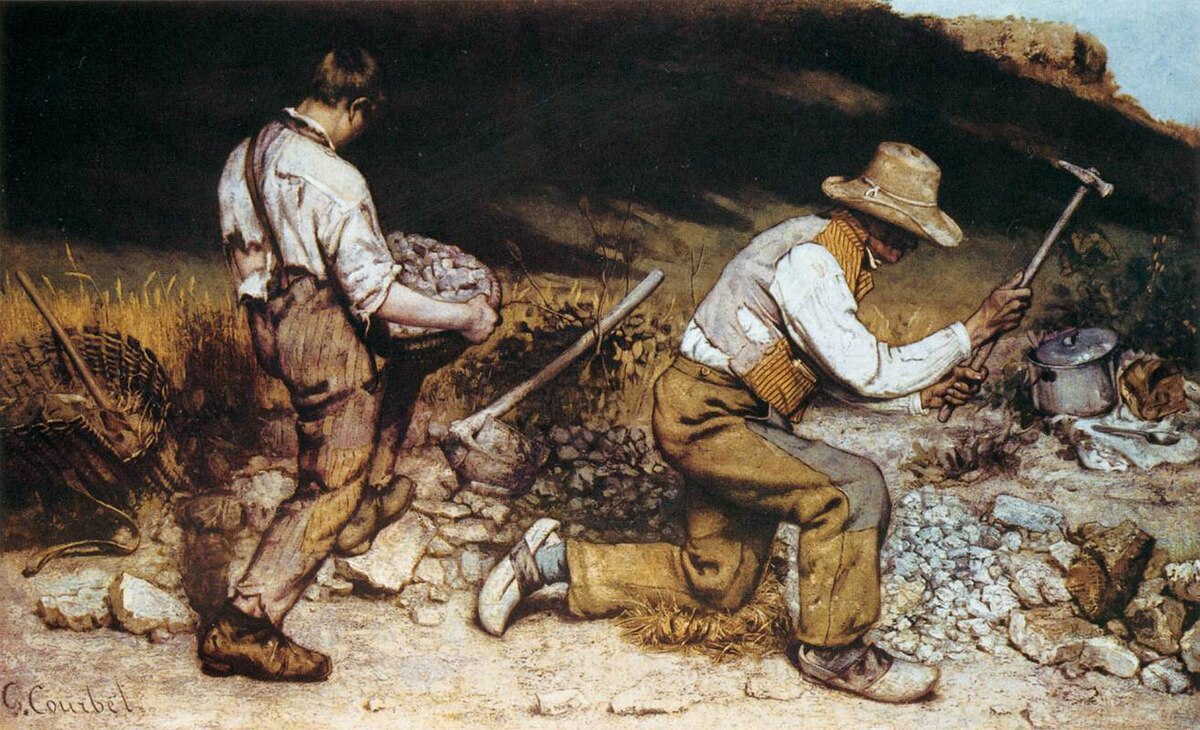
Courbet’s The Stone Breakers changed how people see art. This painting shows workers in a real and honest way. Courbet did not make their lives look better than they were. He painted them as tired and dirty. This made a strong point about class struggles during the Industrial Revolution. The stories in famous masterpieces like this one show real life and social problems.
Aspect of Realism |
Description |
|---|---|
Focus on the Working Class |
The painting shows regular workers and their hard lives. |
Unglamorous Portrayal of Laborers |
Courbet paints the tough side of work without making it look nice. |
Political Statement |
The painting talks about class struggles and social issues during the Industrial Revolution. |
When people first saw The Stone Breakers, they had strong opinions. Some called it a great painting and liked its message. Others did not like the subject and said Courbet liked country ways too much. Many thought the workers looked rough and not good for fine art. The painting’s real style and message shocked people. It started debates about what art should show.
You can see how stories in famous works like The Stone Breakers, american gothic, and christina's world can make you think about beauty and art. These paintings ask you to look closer and find the stories that make them special.
Block Quote: "Art is not a mirror held up to reality, but a hammer with which to shape it." — Bertolt Brecht
You learn that the stories in famous masterpieces, like the symbols in Botticelli, the secrets in Van Eyck, or the real life in Courbet, help you enjoy the beauty and feelings in great paintings. Each story gives you a new way to understand art history and the meaning behind famous paintings.
Mona Lisa and Other World Famous Paintings
The Enigma of Mona Lisa’s Smile

When you look at the Mona Lisa, you notice her mysterious smile. People have wondered about its meaning for centuries. Some early writers, like Gautier and Pater, called the smile magical and full of secrets. Freud believed the smile showed Leonardo’s own feelings and memories. Today, many experts say the smile can seem happy or sad, depending on how you see it. Leonardo used a special painting method called sfumato. This technique makes the smile look different from every angle. Scientists have used eye-tracking and psychological tests to study the effect. Most people see happiness in her face, but the smile changes as you move your eyes.
Hidden Story or Mystery |
Description |
|---|---|
Theft of the Mona Lisa |
The painting was stolen from the Louvre in 1911, which significantly increased its fame. |
Hidden initials |
High-resolution images revealed letters 'LV' in one pupil, possibly Leonardo's initials, and 'CE' or 'CB' in the other. |
Possible remains found |
Scientists believe they may have discovered the bones of the woman who posed for the painting, buried in Italy. |
Inheritance by Salai |
After Leonardo's death in 1519, the painting was inherited by his assistant, Salai. |
Connection to the Holy Grail |
Dan Brown's The Da Vinci Code suggests the painting contains clues to the Holy Grail's location. |
Tip: When you view the Mona Lisa, try looking at her smile from different angles. You might see new emotions each time.
Van Gogh’s Starry Night—Emotion in Art

You can feel strong emotions when you see Van Gogh’s Starry Night. The swirling sky and bright stars show hope, but the dark hills and cypress tree suggest sadness and loneliness. Art critics say the painting reflects Van Gogh’s struggles with depression and his search for beauty in the world. The closed doors in the houses show his feelings of being left out. The cypress tree stands for grief and frustration. Van Gogh once wrote,
"Looking at the stars always makes me dream... Just as we take the train to get to Tarascon or Rouen, we take death to reach a star."
This shows how he used imagination to turn pain into art.
Klimt’s Portrait of Adele Bloch-Bauer—Gold and Controversy
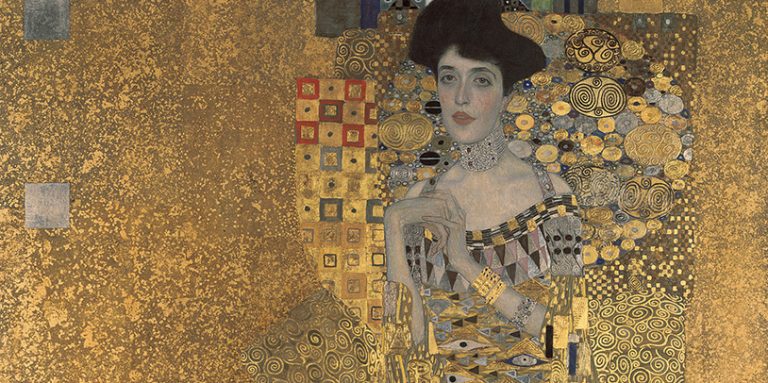
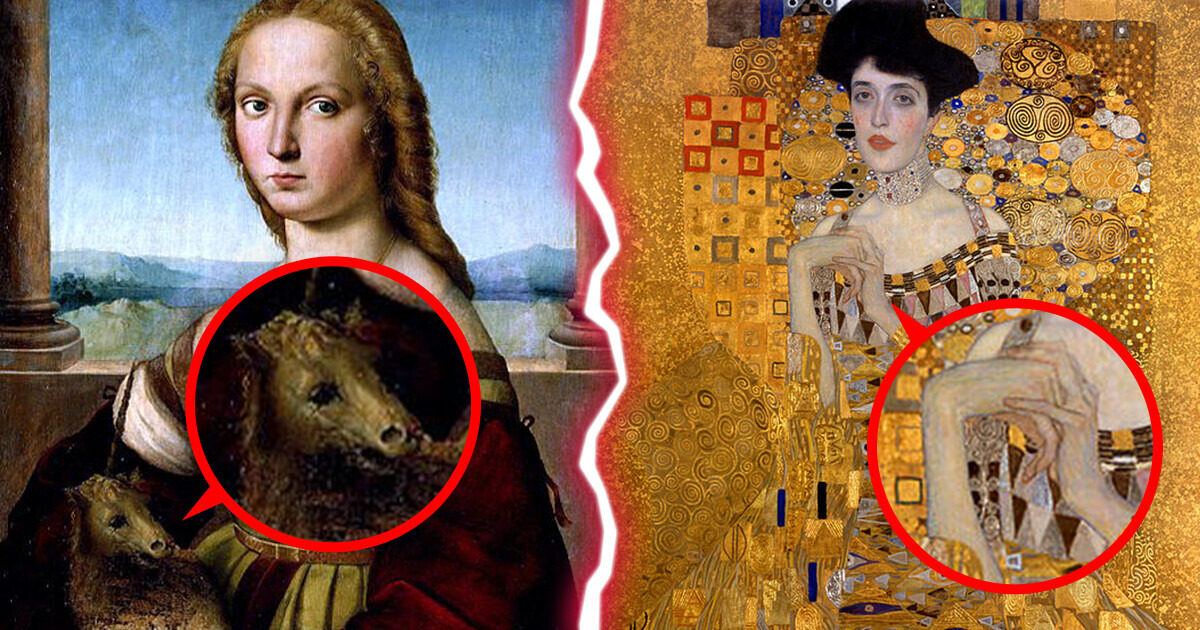
Klimt’s Portrait of Adele Bloch-Bauer shines with gold and beauty. You see rich patterns and bright colors. The painting became famous not only for its style but also for its history. During World War II, the Nazis took the painting from its owners. Years later, Maria Altmann, a family member, fought to get it back. Her case went to the Supreme Court. She won, and the painting returned to her family. This story made the painting a symbol of justice and the fight to return stolen artworks. Today, you can see how history and beauty come together in one of the most famous paintings.
Art Reflecting History and Emotion
Picasso’s Guernica—War and Protest
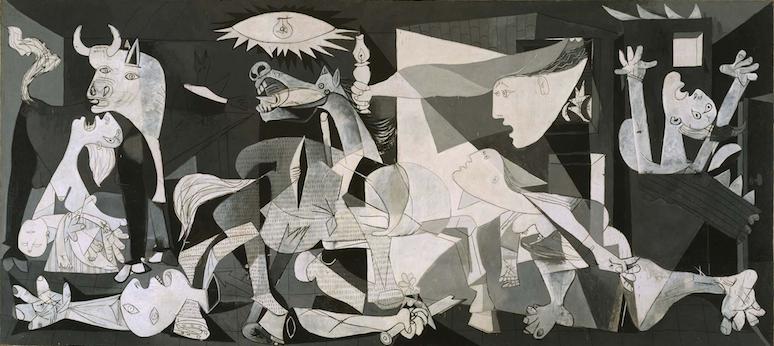
You can see how art reflects history when you look at Picasso’s Guernica. This painting shows the horror of war. Picasso created Guernica after the bombing of the town of Guernica on April 26, 1937, during the Spanish Civil War. Franco’s Nazi and Fascist Italian allies attacked the town on a market day. Many people died or suffered injuries. Picasso finished the painting in just 35 days, wanting to show the world the pain and chaos of this event.
Guernica became a symbol of protest and peace. You find many details in the painting that show suffering, like the screaming mother, the fallen soldier, and the terrified horse. Picasso used black, white, and gray to make the scene feel cold and shocking. He wanted you to feel the sadness and anger of the people.
Guernica stands as one of the most famous paintings that changed how people see war.
During the Vietnam War, protest groups used Guernica on posters to call for peace.
After the My Lai Massacre, activists asked for the painting’s removal from the Museum of Modern Art to highlight problems at home.
Protesters in cities like Rome and Barcelona still use Guernica as a symbol today.
Picasso once told a German officer who asked if he made the painting, “No, you did.” This answer shows how Guernica speaks for victims of war everywhere. The painting keeps the memory of the Basque town alive and connects history to today’s struggles.
Note: Art historians use paintings like Guernica and Jacques-Louis David’s The Death of Marat to help you understand the emotions and events of the past. These artworks turn history into lived experiences.
Picasso’s Old Blind Guitarist—The Blue Period

You can feel deep emotion in Picasso’s Old Blind Guitarist. This painting comes from his Blue Period, a time when Picasso felt sad and poor. He lost his close friend Casagemas, who died by suicide. This loss made Picasso think about pain and loneliness. He painted people who were poor, blind, or alone.
The Old Blind Guitarist shows a thin, tired man holding a guitar. Picasso used shades of blue to make you feel the sadness and coldness of the scene. The man’s bent body and long hands show his suffering. You see how Picasso’s own struggles with money and grief shaped his art during this time.
This painting marks a change in art history. Picasso moved from Impressionism to Expressionism, focusing on feelings instead of just what he saw. The Blue Period paintings help you understand how artists use color and shape to share their emotions.
Tip: When you look at artworks from the Blue Period, notice how the colors and shapes make you feel. Artists often use these tools to show their deepest thoughts.
Dalí’s Persistence of Memory—Surrealism Unveiled

You enter a dreamlike world when you see Dalí’s Persistence of Memory. This painting is famous for its melting clocks and strange landscape. Dalí wanted you to question what is real and what is a dream. He used the paranoiac-critical method to explore his own mind and memories.
The melting clocks show that time is not always fixed. Time can feel slow or fast, especially in dreams.
The landscape in the background looks like the coast of Catalonia, which adds a touch of reality.
Ants and signs of decay remind you that time passes and everything changes.
Dalí included a soft, strange shape in the center. Many people think this is a hidden self-portrait.
Dalí got the idea for the painting while watching cheese melt. He also liked the ideas of Sigmund Freud, who studied dreams and the unconscious mind. The Persistence of Memory invites you to think about how your own memories and dreams shape your view of the world.
Block Quote: "Surrealism is destructive, but it destroys only what it considers to be shackles limiting our vision." — Salvador Dalí
When you study these paintings, you see how artists use their work to talk about history, protest, sadness, and dreams. Artworks like Guernica, Old Blind Guitarist, and Persistence of Memory help you connect with the feelings and stories of people from different times. They show you that art is more than just pictures—it is a way to understand the world.
Tucocoo Paint by Numbers
When you learn about stories in famous paintings, you find new ways to enjoy art. Artists sometimes hide meanings because of their feelings or history. You can spot these messages if you look carefully.
Paintings can have secrets and symbols.
Knowing about them makes art more fun and exciting.
You can use websites to keep learning more.
Aspect |
Explanation |
|---|---|
You feel closer to the artwork. |
|
Symbolic Understanding |
You see symbols that give extra meaning. |
Historical Context |
You learn about the artist and when the painting was made. |
Hidden stories are like tales. They stay with you and make every trip to a museum special.