
How to Discover Fresh Ideas When You Don’t Know What to Paint
Have you ever stared at a blank canvas, wondering, “what should i paint?” You’re not alone. Many artists feel stuck or lose their mojo. In fact, researchers found that artists often face block, which connects to burnout, perfectionism, and even rumination. If you ask yourself how to start painting or what you need to start painting, it can feel overwhelming. Sometimes, the pressure to find inspiration or spark your creativity makes the block feel even heavier. Take a breath. You can find things to paint all around you. Stay curious, let inspiration surprise you, and remember—how to start painting is often as simple as picking up your brush and painting what should i paint right now.
Key Takeaways
Move things around in your room or go outside to get new ideas for painting. You can also visit art galleries to help you think of something new. - Look at your family, simple things, and places near you for inspiration. These can help you make art that means something to you. - Try using prompts or challenges to help you when you feel stuck. You can also use new art materials to find different styles. - Talk to other artists in groups, classes, or by working together. This helps you share ideas and feel more creative. - Paint often and set limits like using only certain colors or a timer. This helps you focus and lets your art improve.
Change Your Space
Rearrange Your Area
Making small changes in your room can help you get new ideas. Try moving your desk closer to a window. You could put a plant in your room. Hang up pictures or art that show places far away. You might even paint your walls a new color or add a lamp. These things can make your room feel different and exciting. Studies say that bigger rooms, tall ceilings, and cool colors like blue or green help you think better. Check out this table to see how these changes can help your creativity:
Environmental Factor |
Effect on Creativity |
|---|---|
Higher ceilings |
Helps you solve problems in creative ways |
Cool wall colors |
Makes the room feel bigger and helps you think better |
Window views |
Makes your mind more open |
Distant artwork/decor |
Helps you think in new ways and be more creative |
When you change your room, you give yourself new ideas every time you walk in.
Visit Museums or Galleries
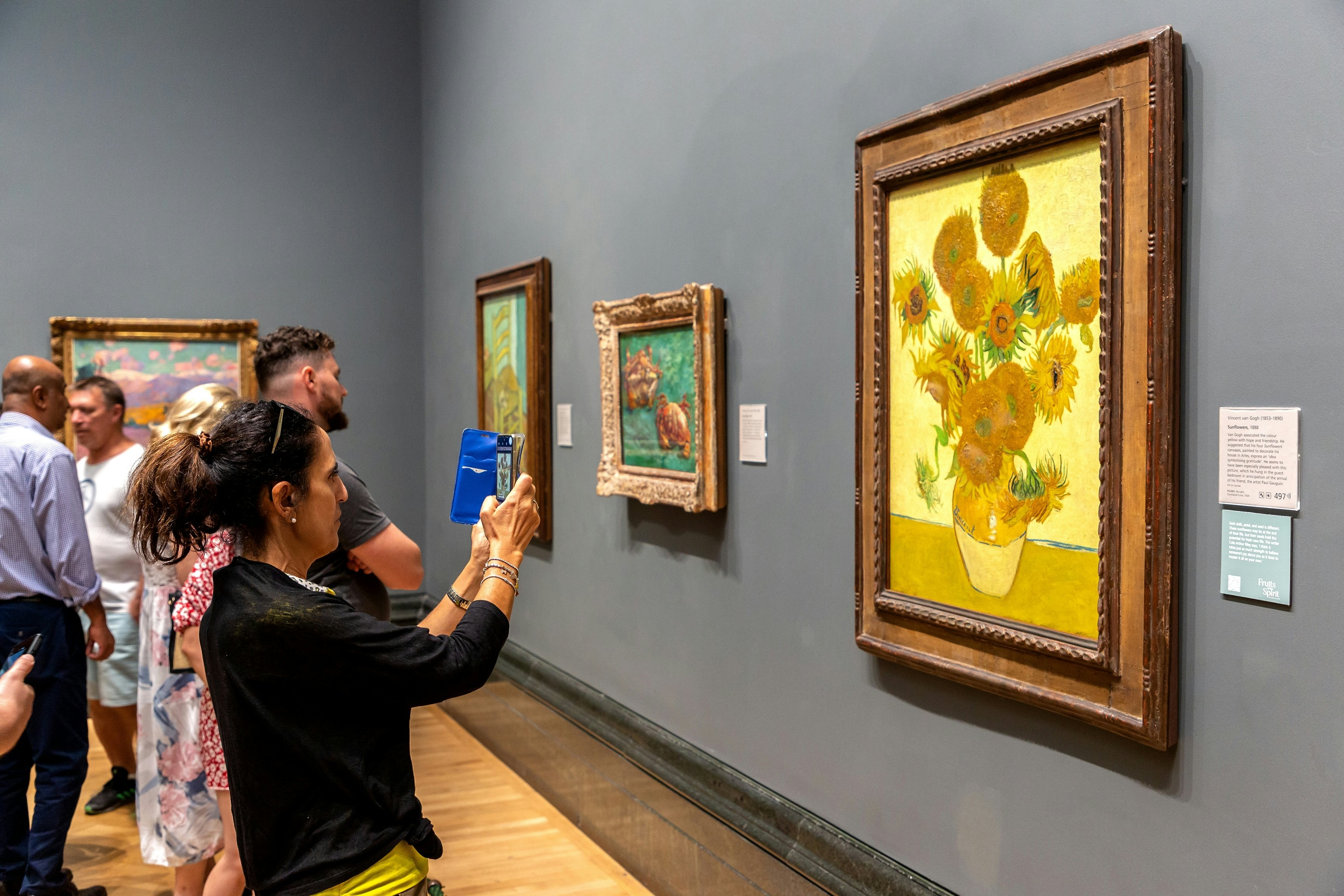
Go to a museum or gallery and look at the art around you. You can get ideas by seeing how artists use color and light. Some museums have places where you can make your own art after you look at the exhibits. For example, you might find tables with art supplies near famous paintings. They sometimes give you ideas to help you start. People often feel more creative after visiting these places. Looking at art slowly and talking about it can make you feel happy and ready to make something new. You never know when a painting or sculpture will give you your next idea.
Tip: Bring a sketchbook and write or draw anything you like. A quick drawing or note can turn into a new painting later.
Go Outdoors
Nature has lots of things to inspire you. Take a walk in the park or go for a hike. You can also just sit outside and watch the clouds. Studies show that being outside helps your mind relax and think of new ideas. People who spend time outdoors often feel happier and more creative. Even a short walk can help you see colors and shapes you want to paint. Bring your phone or a camera and take pictures of cool things you see. These pictures can help you with your next painting and give you new ideas.
Changing your space—by moving things in your room, going to a gallery, or being outside—can help you find new inspiration.
Look for Inspiration in New Sources
Explore Art Books
Sometimes you just need to look for inspiration in a new place. Art books can open your mind to different styles and artists. Flip through pages and notice how each artist chooses a subject. You might see a painting of a city, a bowl of fruit, or even a wild animal. These books often show you how artists use color, shape, and light. You can visit your local library or bookstore and pick up a few art books. If you want more, try Pinterest or online galleries. You will find endless ideas waiting for you.
Tip: Keep a notebook nearby. Jot down any subject or style that catches your eye. These notes can spark your next painting.
Try Prompts and Challenges
When you feel stuck, prompts and challenges can help you get moving. Many artists join monthly art challenges. For example, you might paint one subject every day for 30 days. Some prompts ask you to paint something blue, something round, or something from your dreams. These activities push you to look for inspiration in places you never thought about. You can find prompts online or make your own list. Invite a friend to join you and share your ideas.
-
Try these quick prompts:
Paint your favorite snack.
Draw a scene from your last vacation.
Create a picture using only three colors.
Use Paint by Numbers
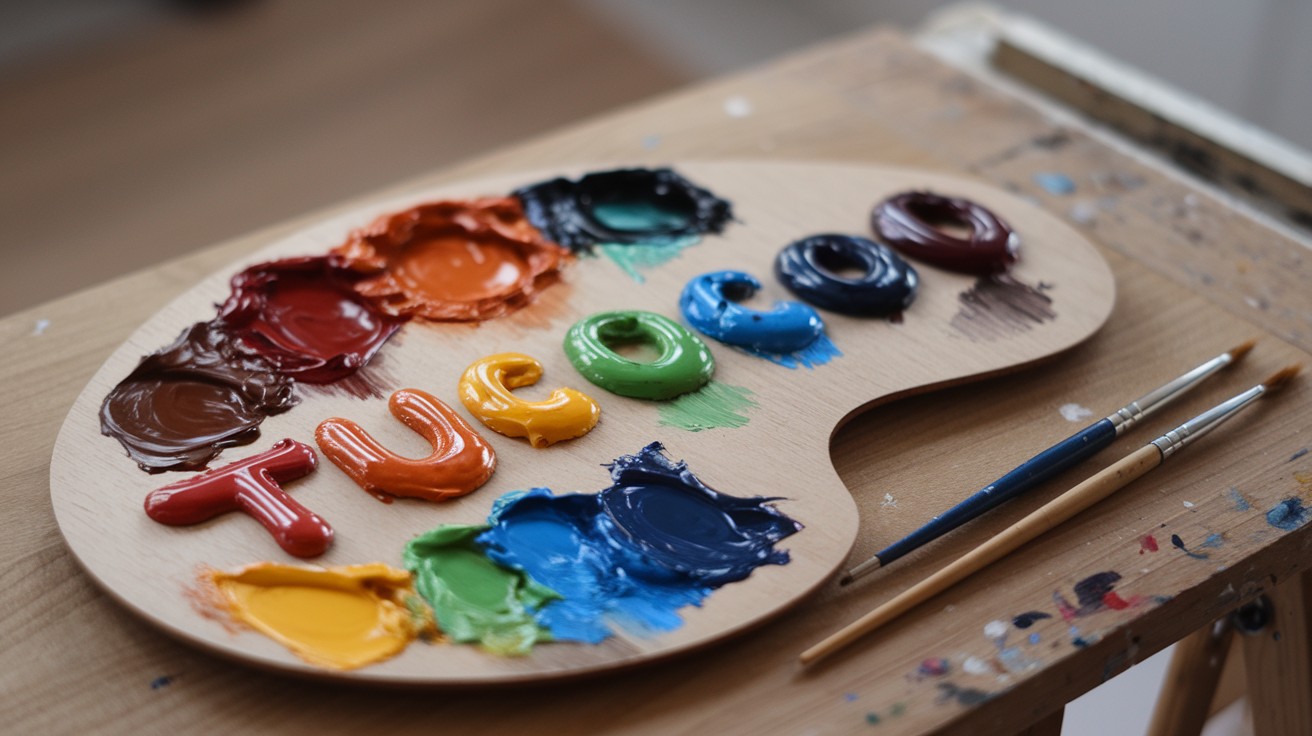
Tucocoo Paint by Numbers
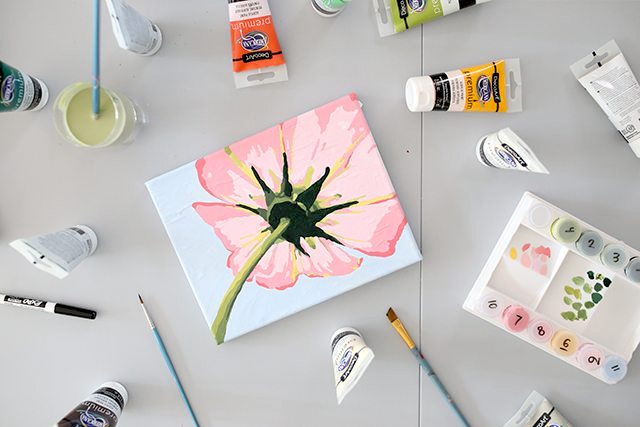
Paint by numbers is not just for beginners. It helps you break through creative blocks and see how colors work together. You do not have to think about what to paint. You just follow the guide and enjoy the process. Sometimes, this simple activity gives you new ideas for your own art. You might notice a color combo or a subject you want to try on your own. Paint by numbers lets you relax and find inspiration without pressure.
Things to Paint from Everyday Life

You don’t have to look far for things to paint. Sometimes, the best ideas come from what’s right in front of you. If you ever wonder, “what should i paint?” just take a look around your home or your daily life. You’ll find endless things to paint that feel personal and meaningful.
Family and Friends
Your family and friends can become great subjects for your art. Try painting a portrait of someone you care about. You might capture a smile, a funny face, or a quiet moment. These paintings tell a story and help you remember special times. Even if you don’t want to paint faces, you can show people doing everyday things—like reading, cooking, or laughing together. Aaron Gilbert often finds inspiration in small moments with people he knows. He trusts these moments, even if he doesn’t know why they stand out. You can do the same. Let your feelings guide you.
Simple Objects
You don’t need fancy supplies or rare items to find things to paint. Look at the objects you use every day. A clock, a globe, or an old telephone can become an interesting subject. Try setting up a few objects on a table and see how the light hits them. Michelle Paterok says that when you look at familiar things long enough, they start to look new and exciting. You might notice shapes, colors, or shadows you never saw before. This keeps your art fresh and fun.
Tip: Make a list of five simple things to paint in your room. Pick one and start sketching!
Scenes Around You
Scenes from your daily life can turn into beautiful paintings. Look out your window. Maybe you see a street, a garden, or a busy kitchen. Paula Heisen likes to capture quick moments, like sunlight on a wall or the way rain looks on the sidewalk. She takes photos and uses them as a starting point. You can do this too. Your current life, your hobbies, and your favorite places all offer things to paint. When you pay attention to these scenes, you’ll never run out of ideas for what should i paint. Every day brings a new subject.
Everyday Scene |
Possible Painting Idea |
|---|---|
Breakfast table |
Still life with food |
Walk in the park |
Trees, benches, or people |
Your pet sleeping |
Animal portrait |
Rainy window |
Reflections and colors |
Let your daily life fill your mind with things to paint. You’ll find that the ordinary can become something special on your canvas.
Tap Into Your Creativity

Reflect on Memories
Think about moments from your past. Maybe you remember a fun trip, a family dinner, or a dream that felt real. These memories can help you find new ideas when you feel a block. You can paint a place you visited or a feeling you had. Sometimes, even a small detail, like the color of the sky or the sound of laughter, can spark your creativity. When you use your own memories, your art feels more personal and special. You might even notice that the creative process becomes easier when you paint something that matters to you.
Paint Your Mood
Your feelings can guide your brush. If you feel happy, sad, or even a little bored, you can show that in your painting. Many people find that painting their mood helps them relax and feel better. Research shows that making art, like painting, can lower stress and help you handle tough emotions. Even one short art session can make you feel less anxious. Painting your mood is not just about the final picture. It is about letting your feelings out and enjoying the creative process. You might find joy in seeing your emotions take shape on the canvas.
Tip: Try using colors that match how you feel. Bright colors for excitement, cool colors for calm, or dark colors for a quiet mood.
Use Journaling or Mind Mapping
If you ever feel stuck, grab a notebook and start writing or drawing your thoughts. Journaling helps you see what is on your mind. Mind mapping lets you draw lines and bubbles to connect your ideas. Studies show that mind mapping can boost creativity and help you think in new ways. Kids who use mind maps often come up with more original ideas. When you write or draw your thoughts, you can break through a block and find new things to paint. This simple step can spark your creativity and keep your ideas flowing.
Experiment with Techniques
Trying new things in art can open up a world of ideas. When you experiment, you give yourself permission to play, make mistakes, and discover what you love. Many big breakthroughs in science and art happened because people tried something different. You can do the same in your creative process.
New Mediums
Have you ever painted with something other than your usual supplies? Switching from pencils to watercolors or from acrylics to pastels can change how you see your art. Research shows that each medium has its own feel and style. Watercolors can look soft and dreamy, while oil paints blend smoothly. When you try new mediums, you find new ways to express yourself. Teachers often say that using different materials helps you take more risks and become more creative. You might even find a new favorite way to paint!
Tip: Pick one new art supply this week. Try it out, even if it feels strange at first.
Different Styles
You don’t have to stick to one style. Some days, you might want to paint something realistic. Other days, you might feel like making bold, abstract shapes. Studies show that people notice style right away—like if a painting looks real or more like a dream. Changing your style can help you see your art in a new way. You can even copy a favorite artist’s work for practice or change a photo to make it your own. This helps you learn and grow as an artist.
-
A scene in your favorite cartoon style
A photo using only shapes and colors
The same subject in both realistic and abstract ways
Creative License
Give yourself permission to break the rules. Creative license means you can change colors, shapes, or even the whole idea if you want. Artists who explore new ideas often get noticed for their fresh work. Using tools like generative AI or just letting your imagination run wild can boost your creativity and help you make something unique.
Benefit of Creative License |
What It Means for You |
|---|---|
More new ideas |
You find new ways to paint |
Higher value for your work |
People notice your unique style |
More fun and freedom |
You enjoy painting even more |
Remember, the best ideas often come when you try something new and let yourself explore.
Connect for Inspiration
Join Communities
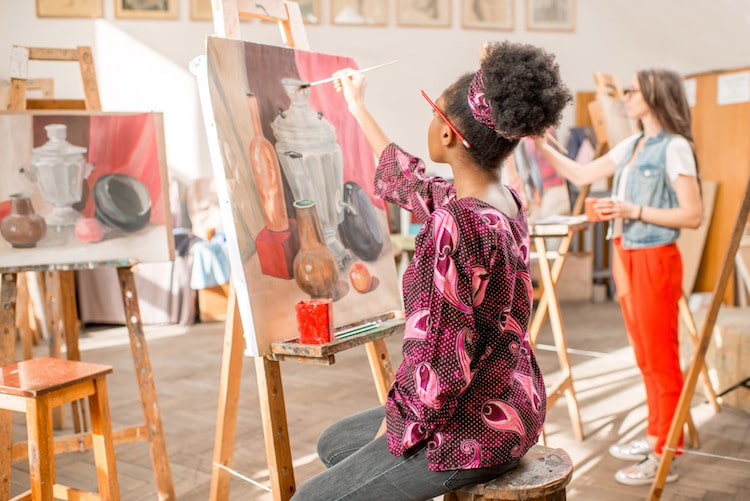
You do not have to create art alone. When you join an art community, you meet people who share your passion. These groups can be online or in your local area. You might find them on social media, in art clubs, or at community centers. Talking with other artists helps you see new ideas and styles. The Creative Vitality Index shows that places with strong artist communities have 1.5 times more creative energy than the national average. This means you get more inspiration and support when you connect with others. You can share your work, ask for advice, and cheer each other on. Sometimes, just seeing what others make gives you a spark for your next painting.
Tip: Try joining a group art challenge or post your work in an online forum. You might make new friends and find fresh ideas.
Attend Workshops
Workshops give you a chance to learn from teachers and other artists. You can try new tools, styles, or subjects in a friendly setting. Many students who attend two or more art workshops show big jumps in creativity. They also start doing more creative things, like writing poems or making crafts. You get to ask questions, watch demos, and practice with others. Workshops often help you break out of your comfort zone. You might discover a new favorite way to paint or meet someone who inspires you.
-
Look for workshops at:
Local art studios
Museums
Community centers
Online platforms
Collaborate
Working with other artists can open up a world of new ideas. When you team up, you learn to trust, share, and build something together. In one project, teens worked together to create art blocks. They became more creative and learned to communicate better. Famous artists like Ai Weiwei and Olafur Eliasson made a digital art project called "Moon," where people from all over the world joined in. Their teamwork mixed different styles and led to amazing results.
Collaboration Example |
What Happened |
Why It Helped Creativity |
|---|---|---|
Ai Weiwei & Olafur Eliasson - "Moon" |
Artists and the public created digital art |
Mixed ideas led to new creations |
Marina Abramović & Ulay |
Performance art partnership |
Pushed boundaries and sparked ideas |
You can start small. Ask a friend to paint with you or join a group project. You will find that sharing ideas makes your art journey more exciting.
Build Creative Habits
Set Routines
You might think creativity comes only when you feel inspired, but building a routine helps you paint more often. Try setting aside a regular time each day, even if it’s just 20 minutes. Many artists find their best ideas when they paint at the same time every day. Research shows that everyone has a creative peak time—some people feel alert in the morning, while others work better at night. You can track your habits with simple tools or apps to find your best creative window. Studies suggest that spending 2 to 4 hours on deep creative work each day helps you grow as an artist. When you follow a routine, you build momentum and painting becomes a natural part of your day.
Tip: Start small. Pick a time that works for you and stick with it for a week. You might be surprised by how much you create!
Use Constraints
Sometimes, having too many choices makes it hard to start. Setting limits can actually boost your creativity. Try using only three colors, painting in just 30 minutes, or picking a single theme for the week. Artists like Phil Hansen found new ways to paint when they faced challenges. He had to change his style because of a hand tremor, and this led him to discover new techniques. Studies show that working with constraints helps you focus, solve problems, and come up with unique ideas. You can use time limits, limited palettes, or even odd materials to push yourself in new directions.
Type of Constraint |
How It Helps |
|---|---|
Limited colors |
Sparks new color mixes |
Time limits |
Keeps you focused |
One subject |
Deepens your skills |
Stay Curious
Curiosity keeps your art fresh and exciting. Ask questions about the world around you. Why does the sky look different at sunset? What happens if you mix two odd colors? Surround yourself with things you love—books, music, or objects that make you smile. When you stay curious, you find inspiration everywhere. Studies show that routine-based creative activities can improve your mood and mental health. You might even notice more joy in your daily life as you explore new ideas and try new things.
You have so many ways to spark new ideas when you feel stuck. Try changing your space, looking at art books, or painting what you see every day. Studies show that creative activities like painting can lower stress, boost your mood, and help you grow.
Programs that teach how to start painting help people keep coping skills and feel more connected.
Group art projects build confidence and make painting more fun.
Remember, how to start painting is simple—just pick up your brush and let your curiosity lead you. Even a small step can bring big inspiration.
FAQ
What if I still feel stuck after trying these tips?
Don’t worry! Creative blocks happen to everyone. Take a short break, do something fun, or try a new activity. Sometimes, stepping away helps your mind reset and brings fresh ideas when you return.
How do I choose what to paint first?
Pick something that catches your eye or feels interesting today. You can start with a simple object, a favorite color, or a memory. The most important thing is to begin. You can always change your mind later.
Can I use photos from the internet as painting references?
You can use photos for practice, but try to add your own twist. Change colors, shapes, or combine different images. If you want to share your work online, make sure you respect the original artist’s rights.
How often should I paint to get better?
Try to paint a little bit every day or a few times a week. Regular practice helps you improve and keeps your creativity flowing. Even short sessions make a big difference over time.
What if I don’t like my finished painting?
That’s okay! Every painting teaches you something new. You can keep it as a learning piece or paint over it. Remember, not every artwork needs to be perfect. Enjoy the process and keep experimenting.