
How Fun Puzzles for Adults Boost Brainpower
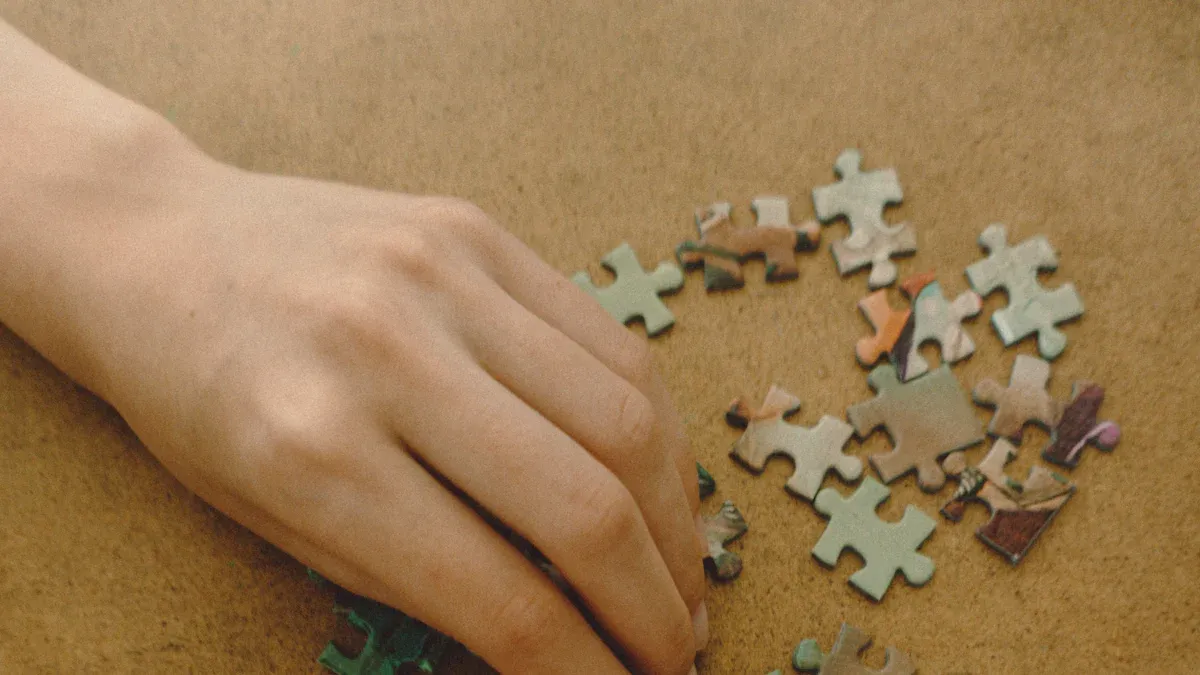
Fun puzzles for adults do more than just fill your free time—they actually boost your brainpower. When you dive into fun puzzles for adults, you challenge your mind, relax after a busy day, and even connect with others. Studies show that adults who solve fun puzzles for adults see real gains in memory, attention, and mood. You’ll find that these fun puzzles for adults offer an engaging way to pass the time while supporting your mental well-being.
Key Takeaways
Fun puzzles challenge your brain and improve memory, problem-solving, and focus.
Solving puzzles with others boosts mood, reduces loneliness, and builds strong connections.
Puzzles help you relax by lowering stress and improving your ability to concentrate.
Regular puzzle play sharpens skills you can use in daily life, like planning and organizing.
Adding puzzles to your routine supports brain health and may reduce the risk of dementia.
Fun Puzzles for Adults
Challenge and Accomplishment
You know that feeling when you finally solve a tricky puzzle? That rush of accomplishment is one reason fun puzzles for adults are so popular. Puzzles give you a challenge that feels just right—not too easy, not too hard. When you work through a crossword, sudoku, or even wooden puzzles, you use your brain in new ways. Studies show that these activities boost your memory, processing speed, and executive functions. In fact, research from PLOS ONE found that brain games can help adults improve their working memory and problem-solving skills. You’ll notice that the more you play, the more confident and motivated you feel to tackle new challenges. The best puzzles have clear designs, gradual levels of difficulty, and sometimes even a story that pulls you in. This makes every win feel earned and satisfying.
Social Interaction
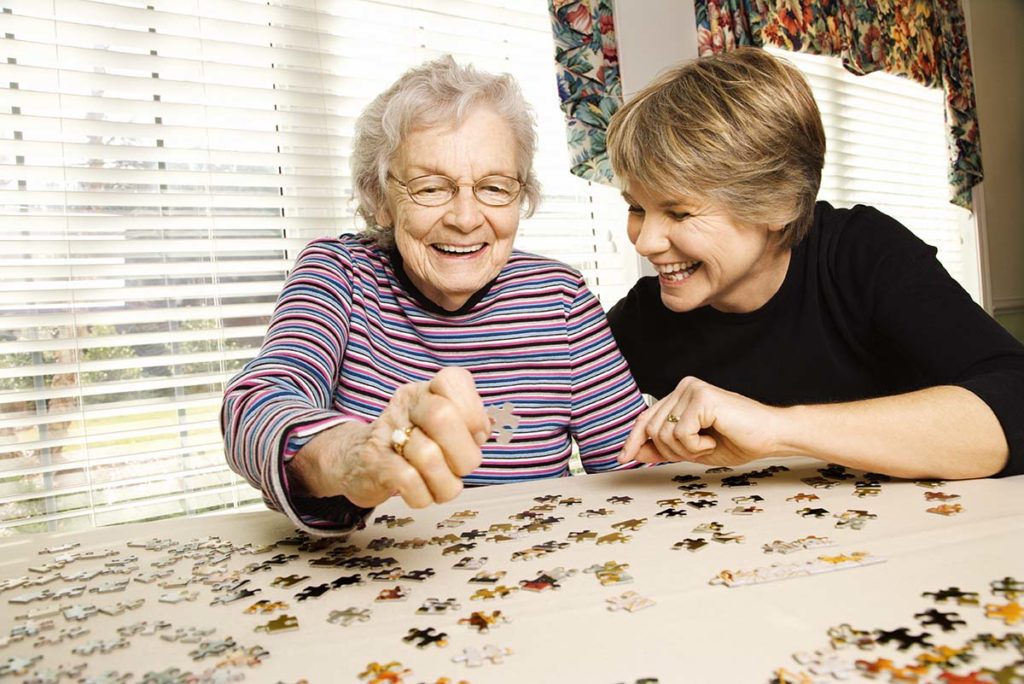
Puzzles aren’t just a solo activity. Many adults love to gather around a table and solve a jigsaw or play a word game together. Group puzzle games like Mahjong and Poker do more than entertain—they help you connect with others and boost your mood. Did you know that almost half of adults enjoy puzzles at least once a year, and 20% play monthly? When you solve puzzles with friends or family, you share laughs, ideas, and even a little friendly competition. Social puzzle play can reduce loneliness and create lasting memories.
Relaxation and Focus
After a long day, fun puzzles for adults offer a relaxing, engaging way to pass the time. When you focus on fitting pieces together or finding the right word, your mind shifts away from stress. Neuroscientific research shows that solving puzzles can lower your stress hormones and even reduce your blood pressure. The repetitive, immersive nature of puzzles helps you enter a calm, almost meditative state. You’ll find that regular puzzle-solving sharpens your focus and helps you feel more relaxed, making it easier to handle whatever comes next.
Cognitive Benefits of Puzzles
Memory and Recall
Puzzles are a fantastic way to give your memory a workout. When you solve a crossword or piece together a jigsaw, you actively engage your brain in recalling information, recognizing patterns, and storing new details. This process strengthens your working memory and improves your ability to remember things in the short term. For example, the PROTECT Study, which involved over 19,000 adults aged 50 to 93, found that those who solved number and word puzzles daily performed better on memory and recall tests. Participants who engaged in puzzles more frequently showed superior cognitive performance across 10 core measures, including episodic memory and reasoning.
Study |
Sample Size |
Age Range |
Puzzle Type |
Cognitive Measures Assessed |
Statistical Significance |
Key Findings |
|---|---|---|---|---|---|---|
PROTECT Study |
19,078 |
50-93 |
Number puzzles |
Working memory, episodic memory, reasoning, attention, executive function, processing speed |
P < 0.0004 on 14 cognitive measures |
Daily puzzle solvers outperformed less frequent users on memory and reasoning tasks. |
PROTECT Study |
19,078 |
50-93 |
Word puzzles |
Attention, processing speed, executive function, working memory, episodic memory |
Highly significant main effects on 14 cognitive measures |
Frequent word puzzle users had better memory and recall abilities than non-users. |
By regularly solving puzzles, you can improve short-term memory and keep your brain sharp. This is especially important as you age, as mentally stimulating activities like puzzles may help reduce the onset of dementia.
Problem-Solving Skills
Puzzles challenge you to think critically and find solutions, which enhances your problem-solving abilities. Whether you're figuring out how to fit a tricky jigsaw piece or cracking a Sudoku, you're training your brain to analyze, strategize, and adapt. Research shows that puzzles improve global visuospatial cognition, which includes skills like reasoning, mental rotation, and flexibility. A randomized controlled trial demonstrated that adults who solved jigsaw puzzles daily for 30 days showed significant gains in these areas compared to a control group.
Aspect |
Description |
|---|---|
Measurement of enhancement |
Global visuospatial cognition measured by averaging z-standardized scores across multiple visuospatial tests |
Cognitive tests included |
Perception, constructional praxis, mental rotation, processing speed, flexibility, working memory, reasoning, episodic memory |
Study design |
Randomized controlled trial with jigsaw puzzle intervention and cognitive health counseling control groups |
Intervention details |
30 days of daily jigsaw puzzle solving (≥1 hour/day) plus counseling for intervention group; counseling only for control group |
Outcome relevance |
Problem-solving skills improved as part of enhanced visuospatial cognition. |
The structured nature of puzzles helps you develop a systematic approach to challenges, a skill that translates to real-life situations. Over time, this practice can make you more confident and efficient in tackling problems.
Attention and Planning
Puzzles demand focus and careful planning, which can significantly improve your attention span and organizational skills. When you work on a puzzle, you need to concentrate on the task at hand, whether it's finding the right piece or solving a complex riddle. Studies have shown that regular puzzle-solving enhances executive functions like working memory, cognitive flexibility, and inhibitory control. For instance, research published in the Journal of Attention Disorders found that adults with ADHD who engaged in daily 30-minute puzzle sessions experienced a 67% improvement in attention tasks.
Research Study |
Population & Intervention |
Key Cognitive Improvements |
Quantitative Outcomes |
|---|---|---|---|
Journal of Attention Disorders (2024) |
Adults with ADHD engaging in daily 30-minute puzzle sessions |
Improved working memory and sustained attention |
67% improvement in attention tasks |
Neuropsychological Rehabilitation (2023) |
Children with ADHD using puzzle-based interventions |
Enhanced executive function and reduced hyperactivity |
45% reduction in hyperactive behaviors |
Applied Psychology Research (2024) |
Users of digital puzzle applications for ADHD |
Cognitive improvements with high engagement |
73% user retention rate with cognitive gains |
By practicing puzzles regularly, you can train your brain to stay focused for longer periods and plan your actions more effectively. These skills are not only useful for solving puzzles but also for managing daily tasks and responsibilities.
Visual and Spatial Awareness
Puzzles like jigsaws and mazes are excellent for improving visual and spatial awareness. These activities require you to visualize shapes, recognize patterns, and understand spatial relationships. Metrics such as Total Solving Time (TST) and Movement Direction Changes (MDC) are often used to measure improvements in these areas. For example, studies have shown that puzzle-solving correlates strongly with tests like the Trail Making Test and the Snellgrove Maze Task, which assess visuospatial and executive functions.
Metric |
Correlated Cognitive Tests and Domains |
|---|---|
TST |
Trail Making Test A & B (visuomotor, executive), Snellgrove Maze Task (planning), MoCA (global cognition) |
False Moves |
Trail Making Test A & B, Snellgrove Maze Task, MoCA |
Excess Moves |
Trail Making Test A & B, Snellgrove Maze Task, MoCA |
MVE |
Trail Making Test A & B, Snellgrove Maze Task, MoCA |
MDC |
Trail Making Test A & B, Snellgrove Maze Task, MoCA (except some age-controlled correlations) |
By engaging in puzzles, you can enhance your ability to process visual information and navigate spaces more effectively. This can be particularly helpful in real-world scenarios, such as driving, organizing, or even decorating your home.
Emotional and Social Impact

Stress Relief
You might notice how your mind feels lighter after working on puzzles. When you focus on solving a puzzle, your brain enters a state of flow. This helps you forget about worries and stress. Scientists have found that puzzle-solving lowers stress hormones like cortisol. One study in Psychosomatic Medicine showed that adults who did puzzles had less stress and clearer thinking.
Puzzles can even lower your blood pressure and help your heart by reducing stress.
Here are some ways puzzles offer stress relief:
They keep your mind busy with fun challenges.
The focus needed for puzzles helps you relax.
You get a break from daily worries.
Puzzles can be a calming, engaging way to pass the time.
Mood Enhancement
Solving puzzles does more than just relax you. It can actually boost your mood. When you finish a puzzle, your brain releases dopamine. This chemical makes you feel happy and proud.
A large study with over 17,000 adults found that people who solved puzzles every day had sharper brains and felt better. These adults performed like people ten years younger on memory and attention tests. The more often you solve puzzles, the more you notice these mood boosts.
Regular puzzle-solving links to better brain health and less risk of dementia.
Many adults say puzzles help them feel more positive and engaged.
Mentally stimulating activities like puzzles can improve short-term memory and keep your mind active.
Teamwork and Connection
Puzzles are not just for solo play. You can enjoy them with friends, family, or coworkers. Working together on puzzles builds teamwork and trust. Escape rooms, for example, use puzzles to help teams practice communication and leadership.
Team-based puzzles like escape rooms and group games help everyone work together.
You learn to share ideas, listen, and solve problems as a team.
These activities make you feel connected and valued.
Even virtual puzzle games can help you stay close with others, no matter where you are.
When you solve puzzles with others, you build stronger bonds and create lasting memories. This social side of puzzles supports your emotional well-being and helps reduce the onset of dementia.
Benefit of Puzzles in Daily Life

Productivity
You might not realize it, but puzzles can make you more productive every day. When you solve puzzles, you train your brain to focus, plan, and think ahead. These skills help you finish tasks faster and with fewer mistakes. Many adults who enjoy mentally stimulating activities like puzzles report that they feel more organized and alert at work or home.
Studies show that regular puzzle-solving leads to a 20% increase in working memory scores. After a 12-week mental training program, adults improved their attention and problem-solving abilities. You can see these changes in daily life. People who solve puzzles often keep their daily living skills strong, while others may notice a decline. This means you can handle chores, work projects, and even social plans with more confidence.
Tip: Try starting your day with a quick puzzle. You may find it easier to focus on your to-do list and stay motivated.
Real-World Application
The benefit of puzzles goes far beyond the puzzle table. You use the same skills from puzzles when you face real-life problems. Researchers use simulations called microworlds to test how well people apply puzzle-solving skills to real-world situations. These simulations have complex goals and changing rules, just like life. They show that puzzle fans do better at handling tough, confusing problems.
Here are some ways puzzle skills help you in real life:
You use problem-solving and memory when you plan a trip or organize your home.
You think creatively and make decisions in work meetings or group projects.
You work with others, just like in team puzzles, to solve big challenges.
Some amazing stories show how puzzle skills lead to real results. For example, players of the Foldit game solved a protein puzzle that scientists could not crack for years. Alternate Reality Games like SuperBetter and Evoke help people tackle issues like mental health and unemployment. Even in nature, ants use group puzzle-solving to move objects and find food.
When you make puzzles an engaging way to pass the time, you build sharper brains and boost your confidence. You also reduce the risk of cognitive decline and improve short-term memory. The skills you gain can help you offer stress relief, stay creative, and connect with others every day.
You’ve seen how puzzles can sharpen your brain, boost your mood, and make daily life easier. Many adults enjoy puzzles, with sales jumping by 300-400% during the pandemic.
Puzzles improve memory, creativity, and productivity.
-
Mentally stimulating activities like wooden puzzles offer stress relief and may reduce the onset of dementia.
Try adding fun puzzles for adults to your routine. You’ll improve short-term memory, build sharper brains, and enjoy every challenge.

Tucocoo Jigsaw Puzzles
FAQ
What types of fun puzzles for adults help boost brainpower?
You can try crosswords, sudoku, escape room games, or wooden puzzles. These puzzles challenge your mind and keep things fun. They also give you an engaging way to pass the time and help you build sharper brains.
How do puzzles offer stress relief?
When you focus on puzzles, your mind relaxes. You forget worries and feel calm. Many adults say puzzles offer stress relief and help them unwind after a busy day. This mental break can even improve short-term memory.
Can puzzles reduce the onset of dementia?
Yes! Mentally stimulating activities like puzzles may reduce the onset of dementia. You keep your brain active and healthy. Regular puzzle-solving helps adults stay sharp and supports mental well-being.
What is the benefit of puzzles in daily life?
Puzzles help you think faster, plan better, and stay organized. You use these skills at work, home, or school. The benefit of puzzles goes beyond fun—they help you handle real-life challenges with confidence.
Are wooden puzzles good for adults?
Wooden puzzles are a great choice for adults. They feel nice to touch and look beautiful. These puzzles give you a fun, hands-on, and engaging way to pass the time while boosting your mental skills.