
10 Smart Tips to Complete Large Puzzles Faster

You can finish large puzzles much faster when you use the right strategies. Many people spend over 10 hours on large puzzles like a 1000-piece jigsaw without any plan, and it can even stretch over several days. Take a look at this:
Skill Level |
Average Time to Complete 1000-piece Puzzle (hours) |
|---|---|
Beginners |
10 to 30+ |
Intermediate |
5 to 12 |
Advanced |
3 to 10 |
If you want to cut down your time on large puzzles, smart tactics and a solid strategy will make a huge difference. You do not need to be an expert in large puzzles to get great results. With the right approach, you will feel more confident and actually enjoy every jigsaw you start. Get ready to see how easy large puzzles can become with just a few simple tactics.
Key Takeaways
Set up a big, bright table so you can see well. Keep puzzle pieces neat and easy to find.
Put pieces into groups by edges, colors, patterns, and shapes. Build the border first. Then work on small sections.
Look at the puzzle’s picture often to see patterns and colors. This helps you find where pieces go faster and with fewer mistakes.
Split the puzzle into small groups or special areas. Work on one part at a time so you do not feel stressed.
Make small goals and cheer for your progress. This helps you stay excited and have fun while solving the puzzle.
Best Tips for Starting a Puzzle
Prepare Your Workspace
Getting your space ready is one of the best tips for starting a puzzle. You want to make sure you have a large, flat surface. A dining table or a special puzzle mat works great. The extra space lets you spread out all the pieces and keeps everything organized. Good lighting helps a lot, too. Try to set up near a window for natural light. If you work at night, use a desk lamp or floor lamp that shines bright but doesn’t cause glare.
Tip: Keep your workspace tidy by using sorting trays or small containers. This makes it easier to find the right piece when you need it.
Comfort matters. Choose a chair that supports your back and lets you sit for a while without getting sore. If you want to move your puzzle later, build it on a mat or a big piece of cardboard. That way, you can slide it out of the way without breaking your progress.
Reference Image Ready
Before you start, always keep the puzzle box lid or a printed picture close by. This is your secret weapon for how to do jigsaw puzzles faster. When you can study the picture, you spot patterns, colors, and details that help you place pieces quickly. Experts and even scientific studies agree: having a reference image boosts both your speed and accuracy. You can match tricky sections by looking at the picture and seeing where certain colors or shapes belong.
Try propping up the box lid or taping a copy of the picture to the wall in front of you. Glance at it often. You’ll notice small details that make a big difference. If you ever feel stuck, just study the picture again. It’s like having a map for your puzzle journey.
Sort and Organize Pieces

Sorting the pieces is a game-changer when you start a big puzzle. You want to see every piece, so turn them all face up and make sure they point the same way. This step helps you spot colors, patterns, and shapes faster. If you have a lot of puzzle pieces, use sorting trays or containers. These keep your workspace neat and make it easy to find what you need.
Edge Pieces First
Start by looking for all the edge pieces. These have at least one straight side. Most puzzle experts agree that building the border first gives you a strong frame. It’s easier to spot edge pieces, and they fit together in fewer ways than the inside pieces. Once you finish the border, you’ll feel more confident about filling in the rest.
Sort by Color and Pattern
Next, group the puzzle pieces by color and patterns. Put all the blues together, all the reds in another pile, and so on. If your puzzle has a lot of green trees or blue sky, make separate piles for each. Patterns like stripes or dots also help you sort. This step makes it much easier to focus on one section at a time.
Tip: Sorting by color works best for puzzles with lots of bright or different colors. If your puzzle has tricky designs, look for unique patterns or textures to help you group pieces.
Sort by Shape
After sorting by color and pattern, look at the shape of the puzzle pieces. Some have two knobs and two holes, while others have three or four knobs. Group similar shapes together. This trick helps you find the right fit when you get stuck. Sometimes, a piece’s shape is the only clue you need.
Here’s a quick look at some popular sorting trays you can use:
Type of Tray |
Best For |
Benefits |
|---|---|---|
Stackable Trays |
Large puzzles |
Save space, easy to organize |
Folding Trays |
Small puzzles, travel |
Portable, easy to store |
Wooden Trays |
Eco-friendly puzzling |
Durable, lots of compartments |
Magnetic Trays |
Intricate puzzles |
Pieces stay in place |
Sorting the pieces in these ways keeps you organized and helps you finish your puzzle faster. Try mixing different sorting methods to see what works best for you. You might find that sorting by color and shape together makes the whole process smoother.
Build the Border

Complete the Frame
When you start a large puzzle, always start with the border. This step gives you a clear frame to work inside. You will find that edge pieces are much easier to spot because they have at least one straight side. Starting with the border helps you see the puzzle’s size and shape right away. It also gives you a strong foundation to build on, which makes the rest of the puzzle less overwhelming.
Edge pieces stand out because of their straight edges.
Assembling the border first creates a guide for the rest of your work.
You can use the picture on the box to match colors and patterns along the border.
Having a finished border boosts your confidence and helps you see progress quickly.
Tip: If you work with friends or family, building the border together can make the process faster and more fun.
Many puzzlers say that starting with the border makes the whole puzzle feel easier. You get a sense of accomplishment early, and it becomes much simpler to fill in the middle sections.
Check for Missing Edges
Sometimes, it feels like an edge piece has vanished. Don’t worry! You can use a simple trick to find missing edge pieces quickly. Gather all the edge pieces into a stack. Hold the stack between your thumb and finger, then fan them out. This makes it easy to scan for the piece you need.
Here’s a quick way to check for missing edges:
Sort all edge pieces first to set up your puzzle’s boundaries.
Use the “two-finger shuffle” to sift through the stack and spot the right piece.
Look for straight edges, corners, and unique shapes.
Match colors and patterns from the box image to the border pieces.
Place each edge piece to complete the frame.
If you work with a group, sorting and assembling the border together helps everyone stay organized. You will notice that having a clear border makes the rest of the puzzle much easier to solve.
Group by Section
Distinctive Areas
When you look at a big puzzle, you might notice some parts stand out right away. These are the distinctive areas—places with bold colors, clear lines, or unique patterns. Grouping pieces by these areas makes assembling small sections much easier. You can spot the bright red barn, the blue sky, or the yellow flowers and start sorting those puzzle pieces into their own piles.
Grouping by color and pattern helps you break the puzzle into smaller, less overwhelming tasks. High-contrast spots or unique images let you match pieces faster. If you see a section with a lot of green trees or a bright sun, focus on those first. You will find that puzzles with clear, different sections go together much quicker than ones with lots of similar colors. When you categorize and group these pieces, you create a “piece-bank” for each area, which speeds up your progress.
Tip: If you get stuck, try finding the patterns in the reference image. This can help you spot where a tricky piece belongs.
Mini-Clusters
Instead of beginning in the middle or working randomly, try building mini-clusters. Start by grouping pieces face-up by color, shape, or pattern. Pick a small area, like a window or a face, and put those pieces together first. This method keeps your workspace tidy and your mind focused.
Here’s a simple way to build mini-clusters: 1. Sort puzzle pieces into groups based on color or pattern. 2. Assemble small clusters for each distinctive feature. 3. Expand each cluster by adding matching pieces from the same group. 4. Connect these clusters to the border or to each other as you go.
Working on one cluster at a time helps you avoid confusion. You can even work on different clusters in separate corners of your puzzle board. This approach lets you see progress quickly and keeps you motivated. Grouping and assembling small sections make the whole puzzle feel less overwhelming and much more fun.
Tips for Doing 1000 Piece Jigsaw Puzzles
Manage Large Areas
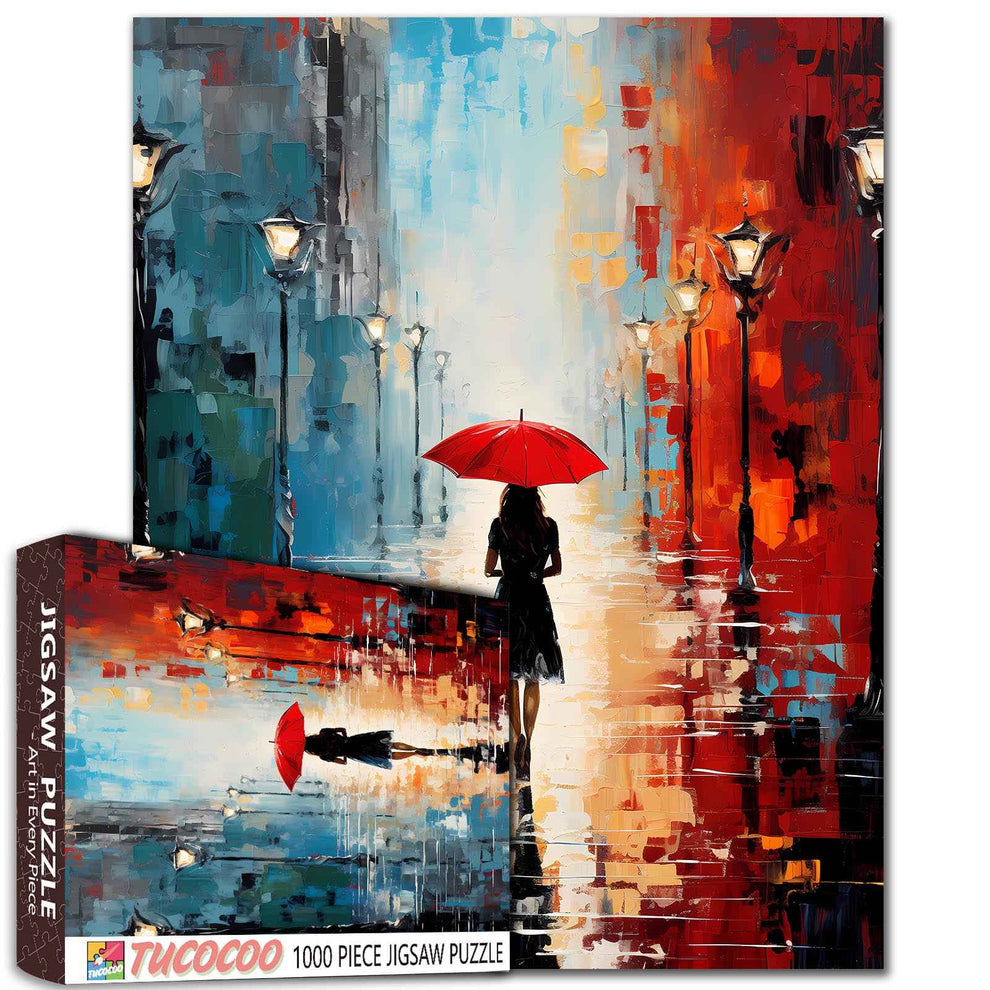
When you work on a 1000 piece puzzle, you will notice some areas look almost the same. Maybe you see a big blue sky or a field of green grass. These parts can feel overwhelming. Many people get frustrated when they cannot find the right piece or when the piece count seems endless. You might even worry about missing pieces or feel stuck when the image is too similar in one spot.
Here are some tips for doing 1000 piece jigsaw puzzles that make these big areas easier:
Group pieces by subtle color changes. Even small shifts in shade can help you spot where a piece belongs.
Use the reference image to spot tiny differences in color or pattern.
Work on sections with gradual color changes by building them separately. Later, you can connect them to the main jigsaw puzzle.
Try making a timeline of color changes. Lay out pieces in order from light to dark or from one color to another.
Tip: Take breaks if you feel stuck. A fresh look often helps you spot the right piece faster.
You may also find that some pieces look like they fit but do not. This is common in large jigsaw puzzles. Stay patient and double-check before locking a piece in place.
Use Shape Clues
When colors and patterns do not help, focus on the shapes. Every piece in jigsaw puzzles has a unique shape with knobs and holes. Some brands even use special shapes to make assembly easier. You can sort pieces by the number of knobs or holes. This method works well when the image is tricky or the piece count is high.
Look for unique or oddly shaped pieces. Set them aside and use them as anchors.
Pay attention to how pieces fit together. The negative space, or the empty area between pieces, can guide you.
Feel the pieces. Sometimes, the texture or the way a piece clicks into place tells you if it fits.
Many puzzlers say that using shape clues helps them finish large jigsaws faster. When you combine color sorting with shape sorting, you will find matches more quickly, even in the hardest sections.
Stay Organized

Tidy Workspace
You want your puzzle area to feel calm and clutter-free. Start by picking a surface that fits your puzzle and gives you room to spread out. Many puzzlers love using puzzle boards with side drawers. These boards keep your pieces safe and let you store groups of pieces without losing them. If you need to move your puzzle, a roll-up mat works well. Just roll it up, secure it with straps, and your puzzle stays together until you’re ready to work again.
Some people use mesh pouches or small containers to hold different groups of pieces. This makes it easy to find what you need. If you have a big collection, try keeping your puzzles in a cupboard or closet. This keeps everything out of the way and safe from pets or little kids. Before you start, take a minute to get rid of old or incomplete puzzles. You’ll have more space and less mess.
Tip: High-end wooden boards with raised edges stop pieces from sliding off. They also look great and make your workspace feel special.
Re-Sort as Needed
As you work, your piles of pieces can get mixed up. Don’t worry! It’s normal for things to get a little messy. Every so often, pause and re-sort your pieces. You might want to group them by color, pattern, or shape again. This helps you spot missing pieces and keeps your mind clear.
If you notice a section is taking too long, try moving those pieces into a new tray or pouch. Sometimes, just changing how you organize things gives you a fresh start. You can even use a trifold presentation board for a quick, foldable workspace. Staying organized saves time and makes the whole puzzle experience more fun.
Staying tidy and re-sorting when needed helps you finish faster and enjoy the process more.
Focus and Motivation
Set Small Goals
Big puzzles can feel overwhelming. You might look at all those pieces and wonder where to start. The trick is to break the puzzle into smaller steps. Set micro-goals, like finishing one section or connecting a cluster of pieces. Each time you reach a small goal, your brain releases dopamine. This chemical makes you feel good and keeps you motivated to keep going.
When you set small goals, you make the puzzle less stressful. You know exactly what to work on next. You also get to celebrate little wins along the way. These wins help you build momentum. If you ever feel stuck, try making your goals even smaller. For example, focus on just the sky or a single flower. This approach helps you stay focused and makes the whole process more enjoyable.
Tip: Write down your goals or say them out loud. It helps you stay on track and gives you a sense of accomplishment when you finish each one.
You can also use the Pomodoro Technique to boost your productivity. Work on the puzzle for 25 minutes, then take a 5-minute break. This method keeps your mind fresh and helps you avoid burnout.
Celebrate Progress
Every time you finish a section, take a moment to celebrate. You can share your progress with friends or family. Some people like to snap a photo and post it online. Others keep a “recognition wall” where they display finished puzzles or special milestones. These small celebrations make your hard work feel important.
Research shows that recognizing your achievements boosts your motivation. When you see how much you have done, you feel more confident and excited to keep going. You can even create your own reward system. Give yourself a treat after finishing a tricky part or reaching a big milestone.
Share your progress with others for extra encouragement.
Mark milestones with stickers or notes.
Take a break and enjoy your success before moving on.
Remember, every piece you place brings you closer to the finish line. Celebrate each step and enjoy the journey!
Finishing Large Puzzles
Double-Check Completion
You’ve placed the last piece and feel that rush of excitement. Before you celebrate, take a few minutes to make sure your masterpiece is truly complete. Start by scanning your workspace. Sometimes, a piece hides under the table, between couch cushions, or even in your sleeve. Check the inside of the box and any containers you used. A clutter-free area makes it easier to spot missing pieces.
Here’s a quick checklist to help you double-check:
Look around your puzzle area for stray pieces.
Search under furniture and inside the puzzle box.
Count the pieces if you want to be extra sure.
Keep your workspace tidy to avoid losing anything.
Double-check before tossing out any packaging or scraps.
Tip: Store extra pieces in a labeled bag or container. This helps you keep track if you ever need to move or store your project.
Preserve or Display
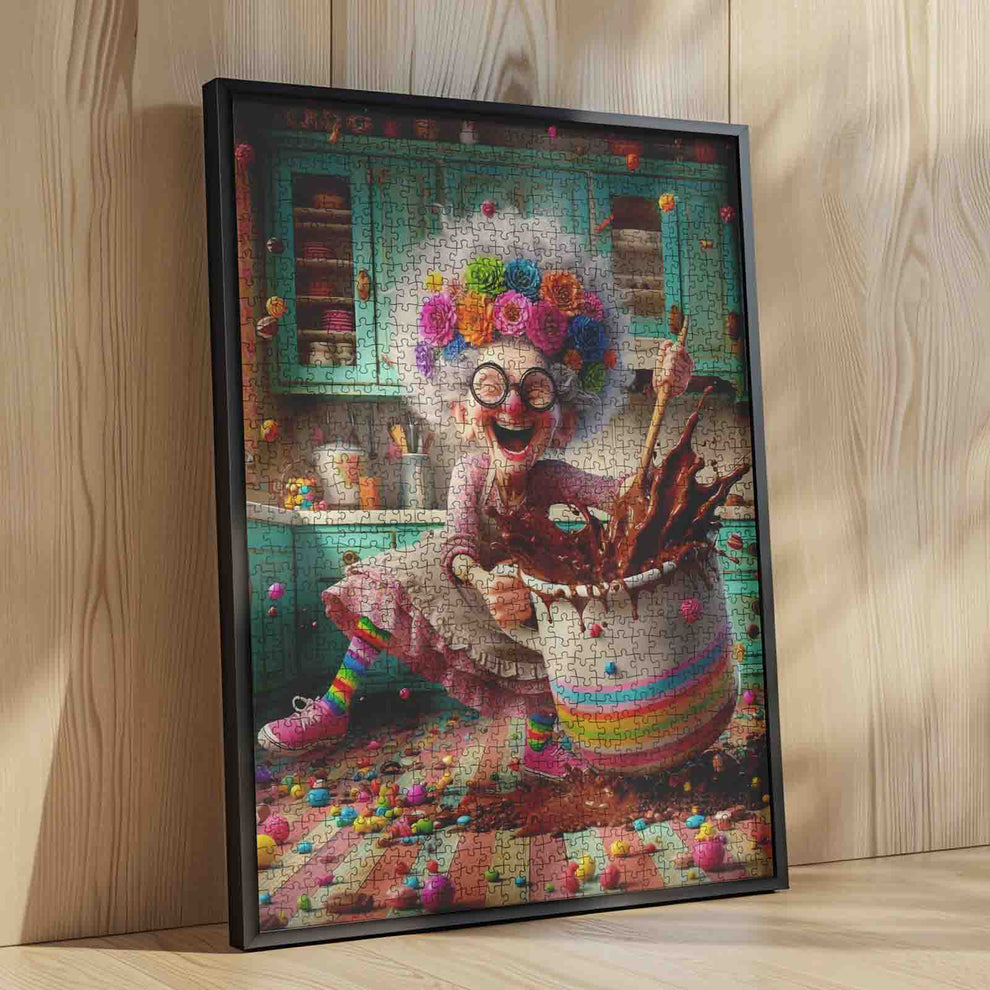
Now that you’ve finished, you might want to keep your work on display. If you built your puzzle on a movable surface, like a mat or a big piece of cardboard, you can easily slide it to a safe spot for gluing or framing. Before you start, use a rolling pin to gently press down on the surface. This step flattens the pieces, removes air bubbles, and makes sure everything lines up perfectly.
To preserve your puzzle, try these steps:
Apply puzzle glue or Mod Podge with a brush or sponge. Spread it evenly, covering all the edges.
Let the glue dry completely. This can take several hours.
For extra support, mount your puzzle on foam board or use adhesive sheets on the back.
Choose a frame that fits. Shadow boxes or frames with UV-protective glass work well.
Hang your finished piece away from direct sunlight to prevent fading.
Note: Dust your framed puzzle regularly and rotate it every few months to keep it looking fresh.
You can also use sticky Velcro buttons or framing clips if you want to change displays often. With a little care, your finished project will stay beautiful for years.
When you use smart tips for large puzzles, you make the whole experience smoother and more fun. You save time by sorting pieces, working on small sections, and keeping your space bright and tidy. Many puzzlers say these strategies help you stay focused and enjoy every step.
Celebrate each win, no matter how small. Every section you finish brings you closer to that amazing feeling of completing large puzzles. You’ve got what it takes—enjoy the journey and be proud when you place that last piece!

Try Tucocoo Jigsaw Puzzles
FAQ
How do you keep puzzle pieces from getting lost?
You can use sorting trays, zip bags, or a puzzle mat with raised edges. Always clean your workspace before starting. If you have pets or small kids, cover your puzzle when you take a break.
What should you do if a piece is missing?
First, check under the table, inside the box, and around your workspace. Sometimes, pieces hide in sleeves or fall on the floor. If you still cannot find it, contact the puzzle maker. Many companies send replacement pieces.
Can you work on a large puzzle with friends?
Absolutely! Working with friends makes puzzles more fun. You can split up sections or race to finish clusters. Try these ideas:
Assign each person a color or area.
Take turns placing pieces.
Celebrate together when you finish!
How do you store a puzzle in progress?
Tip: Use a roll-up puzzle mat or a large board.
You can also slide your puzzle onto cardboard and store it under a bed or couch. Keep pieces in labeled bags or trays for easy access next time.