
Discover How Jigsaw Puzzle Game Communities Boost Your Puzzle Experience

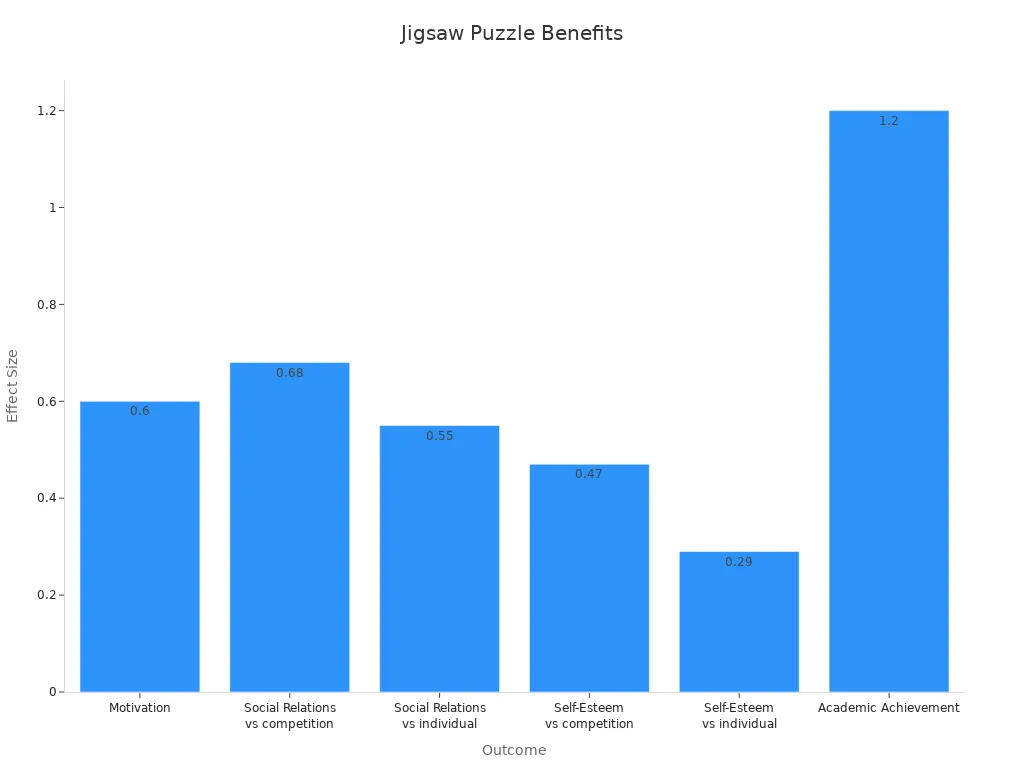
Jumping into a jigsaw puzzle game community can make your experience better. You can meet new friends and talk about jigsaw puzzles. Doing jigsaw puzzles with others is more fun and helpful. The good things are more than just solving puzzles by yourself. People in these groups feel more excited, learn quicker, and feel better about themselves. You can see the changes in the table:
Outcome |
Effect Size (ES) / Measure |
Notes |
|---|---|---|
Motivation |
g = 0.6 |
More drive to keep puzzling |
Social Relations |
ES = 0.68 |
Better friendships |
Self-Esteem |
ES = 0.47 |
Feel good about yourself |
Academic Achievement |
d = 1.20 |
Big boost in learning skills |
Think about what you could get by joining others who love jigsaw puzzles too. Your jigsaw puzzle game adventure can be much more fun and special.
Key Takeaways
When you join a jigsaw puzzle community, you can make friends. You feel like you belong to a group that loves puzzles too. Puzzle parties and group challenges make puzzles more fun. They also make puzzles more exciting and help you want to play more. You can learn new tips from mentors and other members. These tips help you get better at puzzles. Working with others helps you solve problems better. It also keeps your brain active and sharp. Puzzle communities are friendly to beginners. They give support and make it easy to get better at puzzles. This makes puzzling fun for everyone.
Social Interaction
Building Friendships
Joining a puzzle community helps you make new friends. At first, you may do puzzles alone. Soon, you start talking with others who like puzzles too. These talks can turn into real friendships. You share your favorite puzzle brands and talk about hard pieces. You also give each other tips for tough parts. This makes you feel like you belong. You are not just a puzzle fan. You are part of a group that gets your passion.
Many people say being in a puzzle group helps them feel less lonely. You meet people of all ages and backgrounds. Some groups have a big puzzle everyone works on together. Each person adds a piece when they visit. This simple thing brings people together and makes the space warm and friendly.
Puzzle Parties
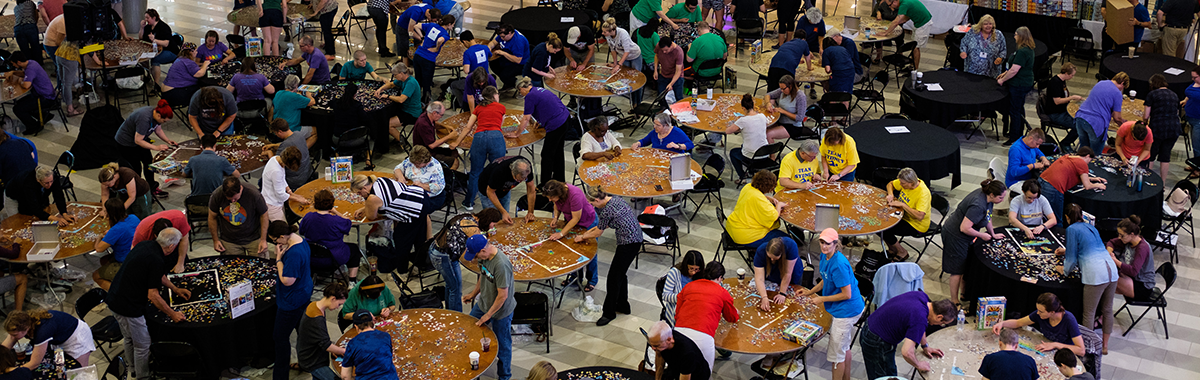
Puzzle parties make puzzles even more fun. Picture sitting with friends, trying to finish a puzzle before another team. You laugh, cheer, and celebrate every piece that fits. Libraries and community centers often have these events. For example, the Metropolitan Library System in Oklahoma City has puzzle races. There are prizes and funny team names. These events help people work together and enjoy friendly contests.
The Portage Public Library in Wisconsin had a puzzle swap. People traded over 200 puzzles. This helped people at home find new puzzles for winter.
Staff and visitors at many libraries work on puzzles together. This makes the place feel open and friendly.
Some libraries use puzzles to connect with kids after school. Kids get a safe place to relax and have fun.
The Out-BREAK! 2023 Escape Room survey showed 93% of people finished on time and loved working as a team. Most people said they liked meeting others and wanted more events like this. These puzzle parties and group games show why puzzle communities are great. You get to use your brain, feel less stressed, and make strong connections. A solo hobby can quickly turn into a fun social adventure with lots of laughs and new friends.
Learning in the Community

Mentorship and Tips
When you join a jigsaw puzzle game community, you get more than just a group of people who like puzzles. You find mentors who love sharing their knowledge. These mentors help you learn new ways to solve jigsaw puzzles. You can ask questions about tricky pieces or how to sort edge pieces faster. Someone always has a clever tip or a shortcut that saves you time. You might hear about a new jigsaw brand that fits together better or has brighter colors. This advice helps you pick the right puzzle for your next challenge.
Tip: Ask a mentor about their favorite way to start a puzzle. Some people sort by color, while others look for special shapes. Try both and see which one works best for you!
Mentors also help you build your problem-solving skills. They show you how to look at a puzzle from a new angle. You learn to spot patterns and use logic. This makes you better at puzzles and helps your brain grow stronger.
Sharing Strategies
In a jigsaw community, everyone loves to share their best strategies. You can join a chat or a forum and swap ideas. Maybe you learn a new way to organize your puzzle pieces. Someone might show you a trick for finishing the hardest part of a jigsaw. You can even watch videos where people solve puzzles step by step.
Here are some things you might learn from others:
How to finish a puzzle faster
Ways to keep your puzzle pieces safe
Tips for picking puzzles that match your skill level
New brands of jigsaw puzzles to try
You get to practice your problem-solving every time you try a new strategy. This helps with skill development and boosts your cognitive abilities. You also feel proud when you help someone else with their puzzle. The community makes learning fun and keeps you excited about jigsaw puzzles.
Motivation and Engagement
Group Challenges
You might think jigsaw puzzles are just for quiet afternoons, but group challenges can turn your puzzle experience into something much more exciting. When you join a puzzle community, you get to take part in team events and friendly competitions. These group challenges keep things fresh. You never know what kind of puzzle you will work on next or who you will team up with. Sometimes, you race against the clock. Other times, you try to beat another team.
Here are some ways group challenges boost your motivation:
You feel a rush when your team finds the right piece.
You learn new tricks from others.
You get to share your own strategies.
Tip: Try joining a monthly puzzle challenge. You will meet new friends and discover new puzzle styles. The experience will help you grow as a puzzler.
Celebrating Success
Nothing feels better than finishing a tough puzzle with your group. You get a real sense of achievement when you place that last piece. Everyone cheers, and you all celebrate together. This feeling makes you want to keep puzzling. You remember the fun and the teamwork. You look forward to the next challenge.
Communities often celebrate big wins. Some groups give out small prizes or certificates. Others post photos of finished puzzles online. You might even see your name on a leaderboard. These moments give you a sense of achievement and make your experience more rewarding.
The benefits go beyond just winning. You build confidence and feel proud of your progress. You also inspire others to join in and try their best. Over time, you will notice that your sense of achievement grows with every puzzle you complete. This keeps you engaged and excited for the next puzzle adventure.
Problem-Solving Skills
Collaborative Solving
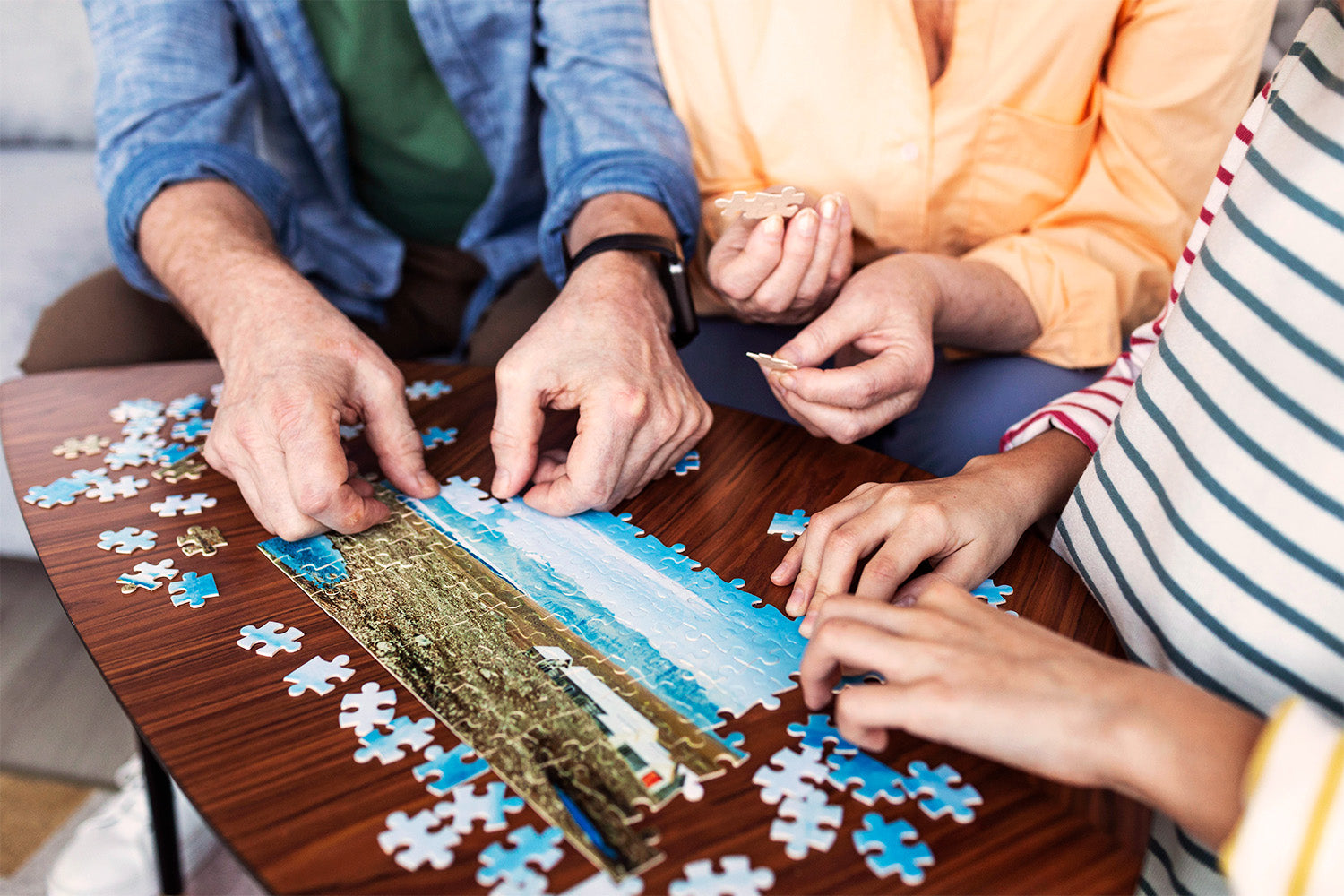
Joining a jigsaw puzzle game community helps you get better at solving problems. You work with others and see how they solve puzzles. Some people sort by color. Others look for edge pieces first. Teamwork helps everyone learn new ways to solve puzzles. You do not have to solve every problem by yourself. In a group, you can ask for help and share your ideas. If you get stuck, someone else might find the missing piece fast. Working together makes solving puzzles more fun and less stressful.
Many studies show that working together helps people learn better, even online.
Groups often finish puzzles faster and do a better job.
Teams that work well together have stronger problem-solving skills.
Sharing ideas helps people find better answers.
Groups use special ways to keep everyone focused and involved.
You will see your own problem-solving skills get better as you work with others. You start to think in new ways and notice patterns you missed before. Every puzzle becomes a new adventure.
Cognitive Benefits
Solving puzzles with others does more than help you finish faster. It also gives your brain good exercise. When you do puzzles with a group, you use your brain to remember shapes and colors. You also remember where pieces fit. This activity can help you focus better and improve your virtual-spatial reasoning.
Research shows that doing puzzles helps adults keep their minds sharp. In one study, older adults who did puzzles in groups felt happier and more connected. They also liked the mental challenge. You do not need to be an expert to join. Puzzle communities welcome everyone, so you can build your skills at any level.
You will notice your virtual-spatial reasoning gets better over time. You start to see how pieces fit together more quickly. Your brain gets stronger, and you feel proud of what you can do. Puzzle communities make solving problems a team effort, and everyone gets something good from working together.
Support for All Levels
Welcoming Beginners
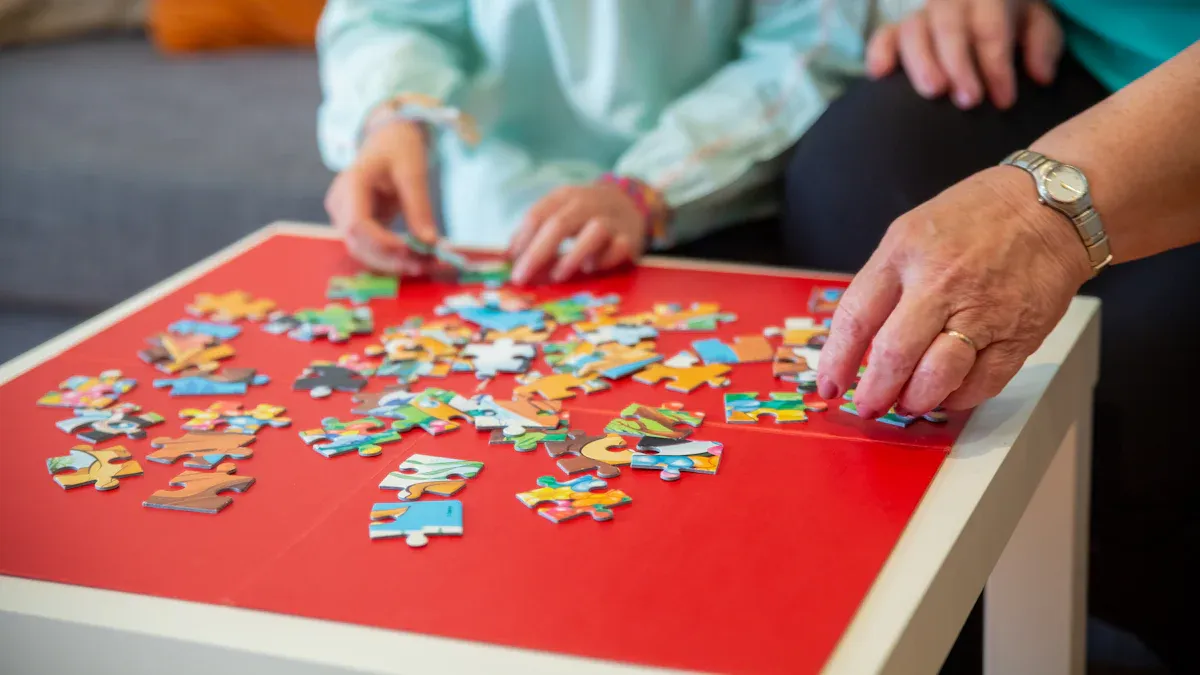
You might feel nervous when you start with jigsaw puzzles. That’s normal! The best thing about a jigsaw puzzle game group is how everyone welcomes you. You do not need to know all the tricks or have the biggest collection. People love to help new members. You can ask questions about your first puzzle or share your excitement about a new jigsaw. Someone will always cheer you on.
Many groups have special events just for beginners. You can join a simple jigsaw puzzle session and learn the basics. Some people show you how to sort pieces or find the edges. You get to see how others work on puzzles and pick up tips. You will feel like you belong, even if you just started.
Tip: Don’t worry if you make mistakes. Every puzzler started as a beginner. The fun comes from learning and trying new puzzles.
Help and Advice
You never have to solve a puzzle alone. If you get stuck, you can ask for help. People love to share advice about jigsaw puzzles. Maybe you cannot find a missing piece or you want to know the best way to store your jigsaw. Someone in the group has an answer.
Here are some ways people help each other:
Give tips for tricky puzzles
Share ideas for sorting pieces
Suggest new jigsaw puzzle game brands
Offer advice for keeping puzzles safe
You will find that everyone wants you to enjoy jigsaw puzzles. If you have a problem, someone will help you fix it. You will get better at puzzles and feel proud of your progress. The support makes every puzzle more fun and less stressful. You can always count on your group to cheer you on and help you grow as a jigsaw fan.
When you join a jigsaw puzzle game community, you get more than just a hobby. You find friends, learn new tricks, and feel motivated to keep going. Look at how your puzzle experience can change:
Puzzle parties bring people together for laughter and teamwork.
Families of all ages work on puzzles, making special memories.
Companies use puzzles to help teams solve problems together.
Online groups let you share tips and celebrate wins.
Why not join a community and see how much fun puzzling can be?

Tucocoo Jigsaw Puzzles
FAQ
How do I find a jigsaw puzzle community near me?
You can search online for local puzzle clubs or check your library’s event board. Many communities also meet on Facebook or Reddit. Ask friends or family if they know any groups. You will find one that fits your style.
Do I need to be an expert to join a puzzle group?
No, you do not need to be an expert. Most groups welcome everyone, even if you just started. You can learn as you go. People love to help beginners and share tips. You will fit right in!
What should I bring to a puzzle party?
Bring your favorite puzzle if you want to share. Some groups provide puzzles, snacks, and drinks. You can also bring a friend. Most of all, bring your excitement and a smile!
Can I join a puzzle community online?
Yes! Many puzzle fans meet online. You can join forums, Facebook groups, or Discord servers. You can share photos, ask questions, and join virtual puzzle challenges. Online groups make it easy to connect from anywhere.
What if I get stuck on a puzzle?
Don’t worry! You can ask for help in your group. Someone will have a tip or idea. Sometimes, taking a break helps. You will solve it together and learn something new.