
How to Replace a Missing Puzzle Piece from Your Favorite Puzzle
Ever lost a puzzle piece and felt frustrated? You can fix missing puzzle pieces with this easy guide. Don’t worry if your jigsaw puzzle has a missing piece. This guide helps you handle missing sections and shows you how to bring your puzzle back to life—even if you feel missing hope!
Key Takeaways
Look for the missing puzzle piece in every spot. Write down where it is missing. Keep your workspace neat so you remember details.
Use the same materials and tools to make a new piece. Trace the shape of the missing piece. Match the picture on the puzzle. Seal the new piece so it stays in place.
Stop losing pieces by putting puzzles away the right way. Keep your workspace tidy. Be gentle with pieces when you put the puzzle together and clean up.
Identify the Missing Puzzle Piece
Locate and Document the Area
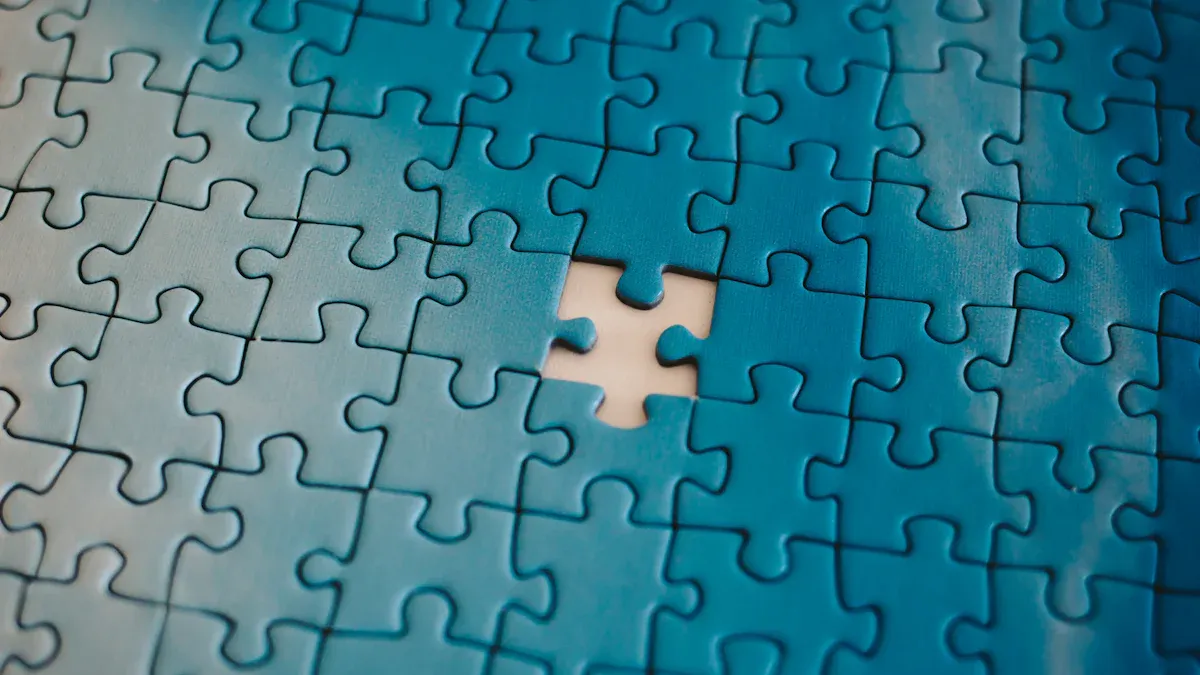
You notice a gap in your jigsaw puzzle. That empty spot means you have missing puzzle pieces. Start by assembling all the surrounding pieces. This step helps you see the exact location of the missing puzzle piece. Sometimes, you find a piece hiding in the box or stuck under furniture. Here’s a quick checklist to help you search:
1. Check every corner of the puzzle box, including flaps. 2. Look under tables, chairs, and even inside trash bins. 3. Search vacuum bags if you cleaned recently. 4. If you have pets or kids, check their favorite spots. 5. Make sure no one moved the puzzle piece as a joke. 6. Double-check the puzzle for misplaced pieces.
If you still have missing puzzle pieces, document the area. Take a clear photo or scan the puzzle. Use the puzzle box image for reference. Organize your workspace with sorting trays or containers. Sort pieces by size, color, or pattern. Label each compartment. This method makes it easier to spot missing puzzle pieces and keeps your guide organized.
Tip: Use bullet points and photos to keep your documentation simple and clear. This helps you remember details and makes future fixes easier.
Confirm the Puzzle Piece Shape
Once you know the missing spot, look at the edges. Compare the shape with nearby pieces. Sometimes, sorting by size and pattern reveals clues. Focus on the thickness and cut style. Matching these details helps you re-create the missing puzzle piece later. Keep your documentation up-to-date so you don’t forget important details.
Gather Materials to Re-create a Missing Puzzle Piece
Essential Tools and Supplies
Get your tools and supplies ready before you begin. You need strong materials to make a good puzzle piece. Here is a simple list to help you:
Use cardboard or puzzle board with the same thickness.
Get craft knives or sharp scissors for cutting shapes.
Use double-sided foam tape or glue to stick layers.
Pick acrylic paints, colored markers, or printed artwork to match the image.
Use photo paper or cardstock for printing designs.
Smooth edges with files or sandpaper.
Seal the surface with Mod Podge or clear-drying glue.
Try air-drying porcelain clay for detailed shapes.
Use two-part silicone molding putty to make a mold if needed.
Take a picture or scan the missing area with a camera or scanner.
Tip: Some companies, like The Missing Piece Puzzle Company, sell special puzzle boards. These boards match most puzzles and you can cut them to size. Their products feel like real puzzle pieces.
Choosing the Right Base Material
The base material is important for your new puzzle piece. Match the thickness and texture to your original piece. Use sturdy cardboard, foam board, or mounting boards for support. Add a thin layer of clear-drying glue for a smooth finish. This keeps colors bright and protects from dust and moisture.
If you want to help the planet, use recycled cardboard or paper. These choices lower waste and pollution. Some companies use eco-friendly inks and packaging. Wooden puzzles from sustainable sources last longer and need fewer replacements.
Note: Read reviews and check support before buying online. Good companies have guides and customer service to help you choose supplies.
With the right materials, your new puzzle piece will fit well and last a long time.
How to Re-create a Missing Puzzle Piece
Trace and Cut the Puzzle Piece
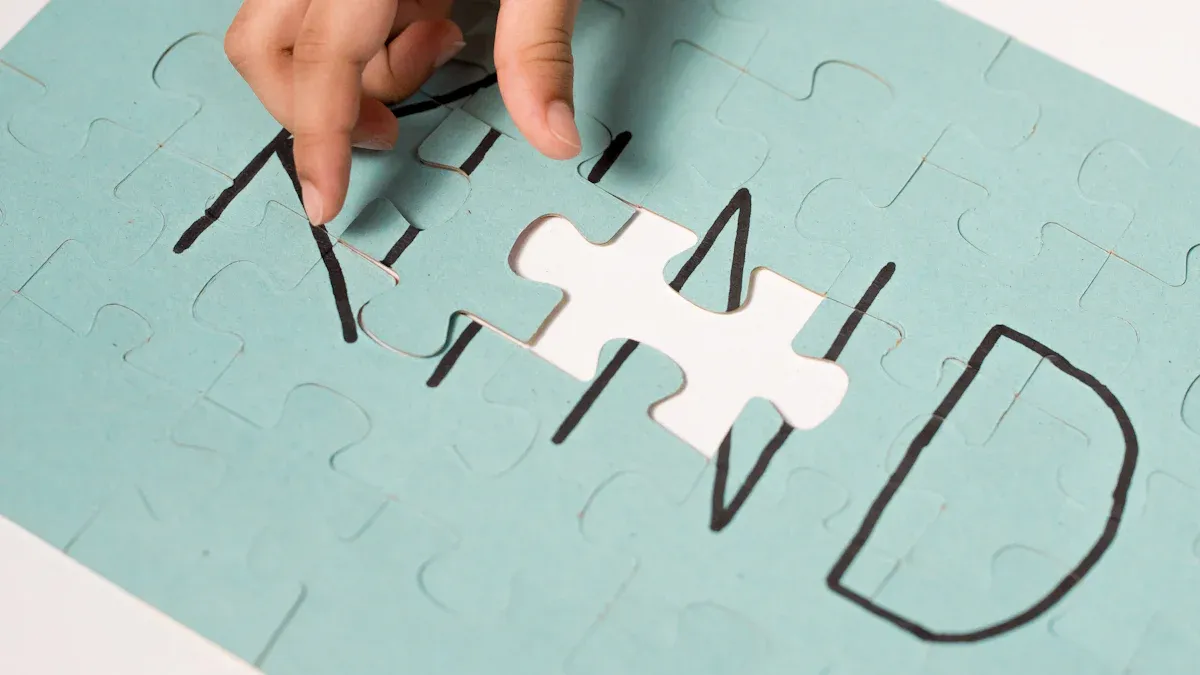
You can start recreating missing puzzle pieces by focusing on the shape. This part takes patience, but you can do it! Here’s a step-by-step way to trace and cut your new puzzle piece:
Gather your tools. You need blank cardboard that matches your puzzle’s thickness, a pencil, a hobby knife or scissors, glue, and a photo or scan of the completed puzzle.
Look at the area where the piece is missing. Check the shape by examining the edges of the surrounding pieces. Sometimes, you can use tracing paper over the empty space or gently remove the pieces around the gap to get a better outline.
Trace the shape of the missing puzzle piece onto your tracing paper. Make sure you get all the little bumps and tabs.
Transfer the traced outline onto your cardboard. Hold the paper steady so the shape stays true.
Cut out the shape carefully with your hobby knife or scissors. Take your time—precision matters here.
Test the fit by placing your new piece into the puzzle. It should fit snugly, but you shouldn’t have to force it. If it doesn’t fit, trim or sand the edges a little at a time.
Tip: If you want extra detail, you can make a mold using two-part silicone putty. This helps you capture the exact shape and fine details, especially if the puzzle piece has unique curves or connectors.
Match the Puzzle Image
Now you need to make your new piece look like it belongs. Matching the image is the trickiest part, but you have a few options:
Take a clear photo or scan of the missing area using your phone or a scanner. You can use this image to print the design for your new piece.
If you have art skills, you can draw or paint the missing section by hand. Use colored pencils, markers, or acrylic paints to match the colors and patterns.
For a digital approach, use a program like Canva to recreate the artwork. Adjust the colors and patterns until they look right. Sometimes, you need to calibrate your printer or bring a sample piece to match the shades.
Print the image on photo paper or cardstock. Cut it to the exact shape of your new puzzle piece.
Glue the printed or drawn image onto your cut-out piece. Press it flat and let it dry.
Note: Matching the color and texture can be tough. Try to work in good light and compare your new piece to the surrounding puzzle pieces as you go. If you want a super-precise fit, you can even use a 3D modeling tool and print the piece, but most people find hand-cutting works well enough.
Attach and Finish the Piece
You’re almost done! Now you need to attach the image and seal your new puzzle piece so it lasts.
Use a craft glue like Mod Podge to stick the image to your new piece. Spread the glue evenly with a brush or a piece of cardboard. Don’t use too much, or the piece might curl or swell.
Let the glue dry for a few hours. If the edges start to curl, flip the piece over and apply a little glue to the back, then press it flat under a book overnight.
Once dry, seal the top with another thin layer of Mod Podge or clear-drying glue. This gives your puzzle piece a glossy, protective finish and helps it blend in with the rest of the puzzle.
If you want to frame your puzzle, mount it on foam board with glue and press it flat before putting it under glass.
Tip: Patience is key when recreating missing puzzle pieces. Take your time with each step. If you rush, the piece might not fit or look right. If you make a mistake, just try again—practice makes perfect!
You might notice that DIY puzzle piece replacements can look almost as good as manufacturer-made ones if you pay attention to detail. When you match the thickness, cut carefully, and take your time with the image, your new piece can blend right in. Manufacturer replacements usually fit perfectly and use high-quality materials, but they can cost more and take longer to arrive. Your homemade piece gives you a cost-effective and satisfying solution, especially if you enjoy crafting.
Recreating missing puzzle pieces can feel tricky, but you can do it with patience and the right tools. If you run into trouble, remember that you can always make a mold for tricky shapes or ask for help from puzzle communities online. Most of all, enjoy the process—you’re bringing your favorite puzzle back to life!
Alternatives to Fix Missing Puzzle Pieces
Contact the Manufacturer
If you find yourself stuck with missing puzzle pieces, you can reach out to the puzzle manufacturer. Many brands want to help you solve the problem. Tucocoo offers a Care Commitment service. You can file a claim for missing pieces within a year of purchase. They ship replacements in about 5 business days after approval.
Use Professional Services
Sometimes, you need a professional to fix missing puzzle pieces. You can use services that create new pieces for you. Here’s a quick look at what you might pay and how long it takes:
Provider |
Cost Details |
Turnaround Time |
|---|---|---|
Artifact Puzzles |
Fixed fee for up to 3 pieces and shipping |
|
Mosaic Puzzles |
$9 for first piece, $4 for each extra piece |
Not specified |
You send them a photo of the missing area. They use special tools, sometimes even two-part silicone molding putty, to make a piece that fits. You get your puzzle back with no missing spots. This option works well if you want a perfect match and don’t mind waiting a bit.
Creative Solutions for Missing Puzzle Pieces
You can get creative when you have missing puzzle pieces and replacements are not available. Puzzle fans have tried many clever tricks:
Check all pockets, even those of friends or family. Sometimes, missing pieces travel with you.
Retrace your steps and look near places like the wine rack or refrigerator. Missing puzzle pieces can end up anywhere.
Shake out bed sheets. You might find missing pieces hiding there.
If you still have missing puzzle pieces, you can frame your puzzle or use a mat to cover the missing area. This way, you keep your puzzle looking nice even if you never find the missing piece. You can also turn the missing spot into a fun story or add a custom design. Your puzzle becomes unique, and you don’t have to worry about missing pieces ruining your fun.
Tip: Don’t give up if you have missing puzzle pieces. You can always try new ideas or ask for help from other puzzle fans.

Tucocoo Jigsaw Puzzles
Prevent Losing Puzzle Pieces
Storage Tips
You can avoid the frustration of missing puzzle pieces by storing your puzzles the right way. Many people lose pieces because they toss them in a box or leave them out. That’s one of the most common causes of missing puzzle pieces. Try these tips to keep every piece safe:
Use puzzle portfolios or carrying cases with secure closures. These keep your jigsaw puzzle compact and portable, so pieces don’t slip out.
Store pieces in labeled zippered bags or mesh pouches. Add a photo of the finished puzzle to each bag. This makes it easy to check for missing pieces and saves space.
Choose cool, dry places for storage. Humidity and sunlight can warp or fade pieces, making them easier to lose.
Organize puzzles in stackable bins, drawers, or decorative baskets. Label each container with the puzzle’s name and a picture.
Use puzzle boards, sorting trays, or roll-up mats for in-progress puzzles. These tools keep pieces together and prevent them from going missing.
Tip: Regularly check your collection. Organize and count pieces before and after you play. This habit helps you spot missing pieces early.
Handling and Assembly Advice
You can also prevent missing pieces by changing how you handle and assemble your puzzles. Set up a dedicated area with a flat, stable surface and good lighting. This makes it easier to see every piece and spot any that go missing.
Sort pieces by color, edge, or shape using trays or bowls. Flip all pieces right-side up before you start.
Always begin with the edge pieces. Build the border first to create clear boundaries.
Return unused pieces to their trays or containers right away. This keeps your workspace tidy and reduces the chance of missing pieces.
When you finish or need to pause, use airtight containers or puzzle mats to store everything safely.
Take your time when taking the puzzle apart. Start from the edges and move inward. Place each piece gently into a box or bag.
Remember: Distractions and clutter are common causes of missing puzzle pieces. Keep your area organized and involve family members in cleanup to make sure nothing goes missing.
You can fix your puzzle by using this guide. Be patient and creative as you trace and cut. Try to match the missing area with care. Many puzzle fans say it helps to write down your steps. If making a new piece is too hard, ask the manufacturer for help. You can also use a professional service. Taking care of your puzzles keeps them complete for a long time.