
12 Essential Tips to Elevate Your Landscape Painting Skills
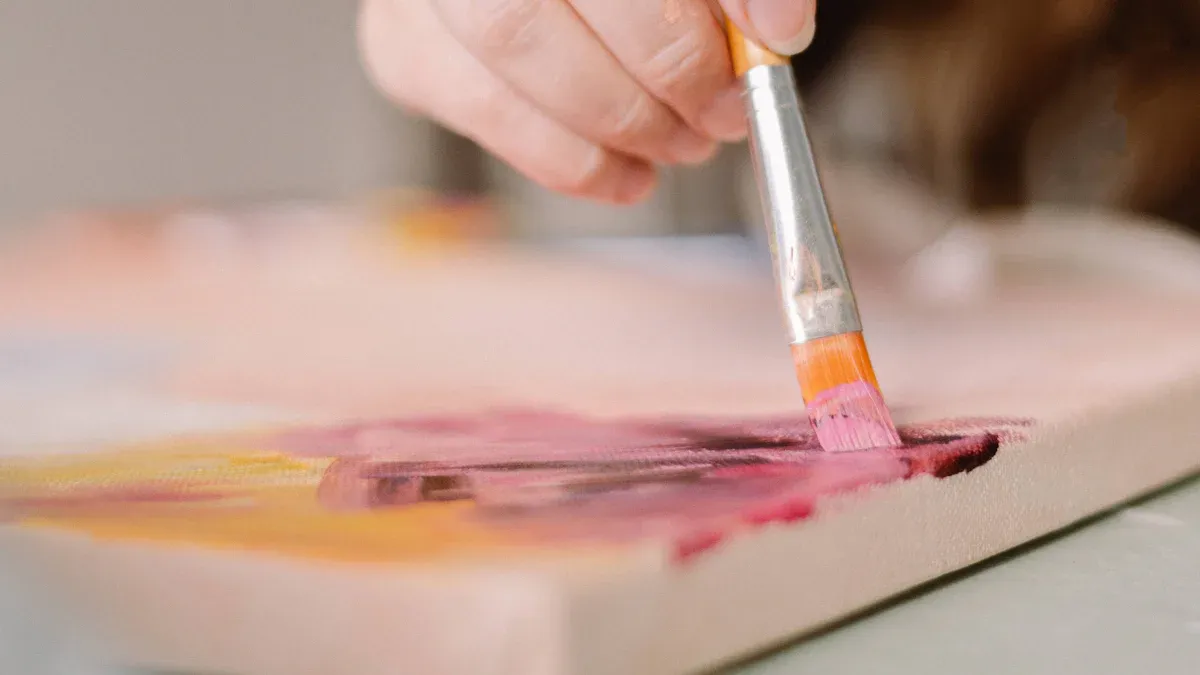
Are you ready to take your landscape painting skills to the next level? Maybe you have tried landscape painting before and want better results. You might feel stuck or unsure about what landscape painting tips actually make a difference. You can boost your landscape painting skills with the right tips and a positive mindset. Landscape painting brings joy and helps you see the world in a new way. Grab your brushes and get excited, because simple tips can transform your landscape painting. You do not need to feel overwhelmed. Every artist grows with practice and the right landscape painting tips.
Key Takeaways
Use the rule of thirds to make your art balanced. Put important parts on the lines or where they cross. This helps your painting have a strong main point.
Make your scene simple by looking at big shapes and values. This makes your painting easy to see and nice to look at.
Show depth by putting things in layers and using curves. Change how strong the colors are. This helps your landscapes look more real.
Use fewer colors to make your painting look better together. Less colors help you mix new ones and keep your art looking neat.
Paint often and begin with easy scenes. Painting a lot helps you get better and find your own style.
Composition in Landscape Painting
A good landscape painting needs a strong composition. When you place things carefully, you help guide the viewer’s eye. This makes your painting landscapes more fun to look at. Here are three tips to help you get better at composition and focal points in your landscape painting.
Use the Rule of Thirds
The rule of thirds is an easy way to make your art look balanced. Picture your canvas split into nine equal parts with two lines going across and two lines going down. Put the most important things, like a tree or mountain, on these lines or where they cross. This makes a strong focal point and keeps the viewer looking where you want.
The rule of thirds splits an image into nine parts. This helps you make balanced art that people like to see.
If you put important things on the lines or where they meet, your art looks more lively and interesting.
In landscape painting, putting the horizon on one of the lines makes the view better than if it is in the middle.
Try this when you start painting landscapes. Draw your main shapes first. Then check if your focal point is on one of the lines or where they cross. Your composition will feel more natural and less stiff.
Simplify the Scene
When you look at a real landscape, you see lots of details. If you try to paint every leaf or rock, your painting can look messy. Focus on the big shapes and values instead. Break the scene into simple forms. This helps you make a clear composition and focal points that stand out.
Tip: Squint at your photo or the real scene. The details will blur together. Paint the big shapes first. Add just a few details to show your focal point.
Here’s why keeping it simple works:
Pictures with too many edges, wild colors, and lots of things can be hard to look at.
These things can make people tired and confused, and the painting will not feel nice.
Berlyne’s theory says that people like a medium amount of detail best.
You want your painting landscapes to feel nice and welcoming. Too much detail can be too much for the viewer. Keep your composition simple so your focal point stands out.
Create Depth in Landscape Painting
Depth makes your landscape painting look real. You want people to feel like they could walk into your scene. There are many ways to add depth and make your composition better.
Layering and Overlapping: Put things in front of each other. This shows what is close and what is far.
The S Curve or Winding Path: Add a path or river that curves. This leads the viewer’s eye into the distance and to your focal point.
Use Diagonals: Diagonal lines make your art look like it has movement and depth.
Aerial Perspective: Paint things in the back lighter and fuzzier. This makes them look far away.
Foreground Interest: Put something with detail in the front, like a rock or flower. This pulls the viewer in and adds depth.
Changes in Size: Make things smaller as they go back. This helps show depth and distance.
Note: Breaking the scene into shapes and values helps you balance your composition. You can make the area of interest bigger and use different forms, values, and colors inside it. Diagonal lines from corner to corner make your landscape more exciting.
When you use these ideas, your painting landscapes will have good depth. The viewer’s eye will move from the front to the back, looking at every part of your composition and focal points.
Common Beginner Mistakes in Composition
Let’s look at mistakes beginners make when painting landscapes. Knowing these can help you do better with your composition.
Mistake Type |
Description |
|---|---|
Light and Shadow |
Beginners forget about the light source, so the lighting does not match in their paintings. |
Gravity |
Some students paint trees straight up, even on hills, which looks strange. |
Tangents |
Lines that go out of the picture can distract people and mess up the composition. |
Remember these as you plan your next landscape painting. Always check where your light comes from. Make sure your trees and things follow the land. Do not let lines pull the viewer’s eye out of the scene.
If you focus on composition and focal points, keep your scene simple, and use tricks to add depth, your painting landscapes will look great. Practice these tips and you will see your landscape painting skills get better every time.
Color Choices for Painting Landscapes
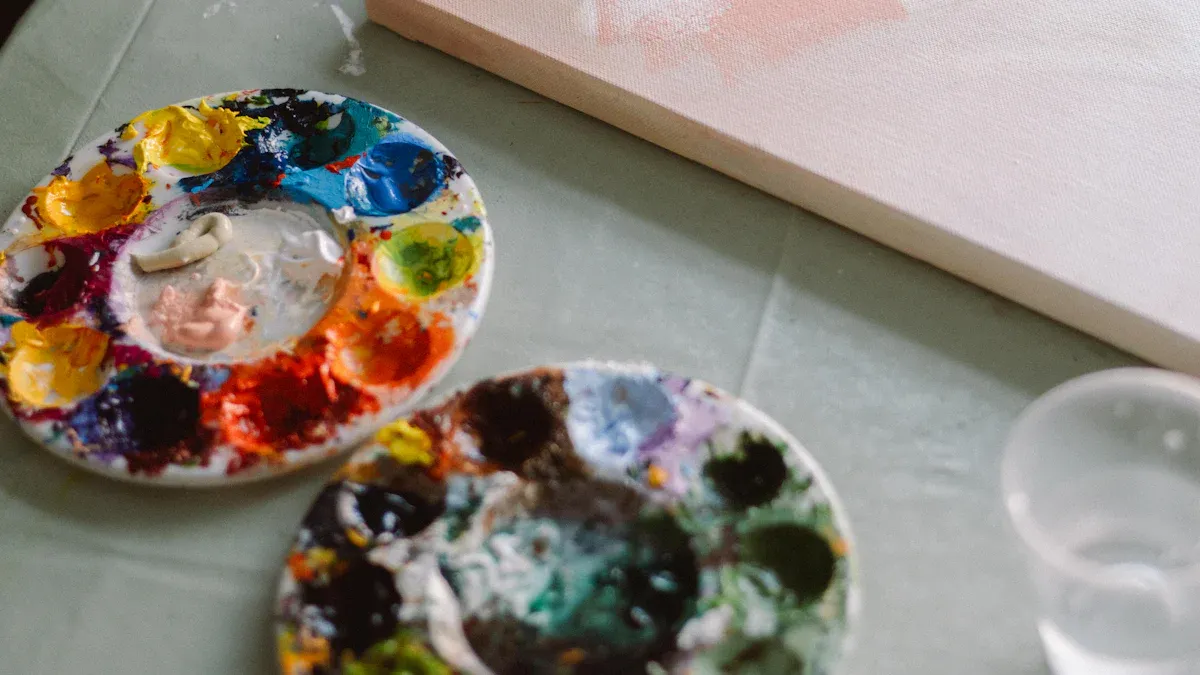
Choosing the right colors can make your landscape painting come alive. When you understand how to use your color palette, you can create harmony, mood, and depth. Let’s look at some simple ways to improve your color choices and make painting landscapes more fun and successful.
Limited Palette for Harmony
Have you ever felt overwhelmed by too many paint tubes? You do not need every color in the store to make a beautiful landscape painting. In fact, using a limited color palette often gives you better results. When you pick just a few colors, your painting looks more unified and pleasing to the eye.
A limited palette helps you mix colors that work well together.
You avoid muddy or clashing colors.
Your painting landscapes will feel more balanced and natural.
Try starting with just three or four colors. For example, you might use a warm red, a cool blue, a yellow, and white. You can mix almost any color you need from these. Many artists find that fewer choices lead to more creative mixing and better harmony in their work.
Tip: When you use a limited palette, you spend less time worrying about which color to pick and more time focusing on your painting.
Mix Natural Colors
Mixing natural colors is a key skill in landscape painting. You want your trees, skies, and fields to look real, not fake or flat. Experts say you should pay attention to four things when you mix colors: hue (the color itself), value (how light or dark it is), intensity (how bright or dull), and temperature (warm or cool). When you understand these, you can create colors that look like they belong in nature.
You can also use a “mother color.” This means you mix a little bit of one color into all your other mixes. This trick helps every part of your painting feel connected, even if you use many different colors.
Here’s how you can mix natural colors for painting landscapes:
Observe real life: Go outside or look at photos. Notice how the colors change with light and weather.
Start with your limited palette: Mix your greens, blues, and browns from your basic colors. This gives you more control and keeps your painting unified.
Adjust value and intensity: Make some colors lighter or duller to match what you see in nature.
Use a mother color: Add a touch of the same color to your mixes for harmony.
Bohne, a well-known artist, treats landscapes like portraits. He spends time observing the scene, coming back to the same spot, and watching how the light changes. This close observation helps him capture the true colors and mood of the place. When you look closely at real landscapes, you notice small shifts in color that make your painting more convincing.
Use Color Temperature
Color temperature is a powerful tool in landscape painting. Warm colors like reds, oranges, and yellows bring energy and make things feel close. Cool colors like blues, greens, and violets create calm and make things feel far away. When you use color temperature well, you can set the mood and add depth to your painting.
Warm tones give your painting vibrancy and make the viewer feel connected to the scene.
Cool tones help create a peaceful feeling and show distance.
Changing the temperature in different parts of your painting can shift the mood, even if the subject stays the same.
You can also use atmospheric perspective to make your painting landscapes look more real. Paint things in the distance with cooler, lighter, and less intense colors. This makes them seem farther away and adds realism.
Note: When you pay attention to color temperature, you control how your painting feels. You can make a sunset glow with warmth or a mountain look cool and distant.
Here’s a quick table to help you remember how color temperature affects your landscape painting:
Color Temperature |
Effect on Mood |
Where to Use |
|---|---|---|
Warm (red, orange, yellow) |
Energy, closeness, excitement |
Foreground, sunlight, highlights |
Cool (blue, green, violet) |
Calm, distance, peace |
Background, shadows, sky |
When you mix your colors and plan your color palette, think about how warm and cool colors work together. This will help you create landscape painting that feels alive and full of depth.
If you focus on using a limited palette, mixing natural colors, and understanding color temperature, you will see big improvements in your painting landscapes. Your color palette will help you tell the story of the scene and make your landscape painting stand out.
Essential Techniques for Landscape Painting
Practice Brushwork

You can change the mood of your painting landscapes just by how you use your brush. Try holding your brush in different ways. Use the tip for thin lines and the side for wide strokes. Quick, loose marks can show grass or leaves. Slow, careful strokes work well for calm water or smooth skies. If you practice different brushwork, you will see how it affects the feeling of distance and depth. Try switching brushes as you move from the foreground to the background. This helps you show perspective and makes the viewer feel the distance in your scene.
Layer for Texture
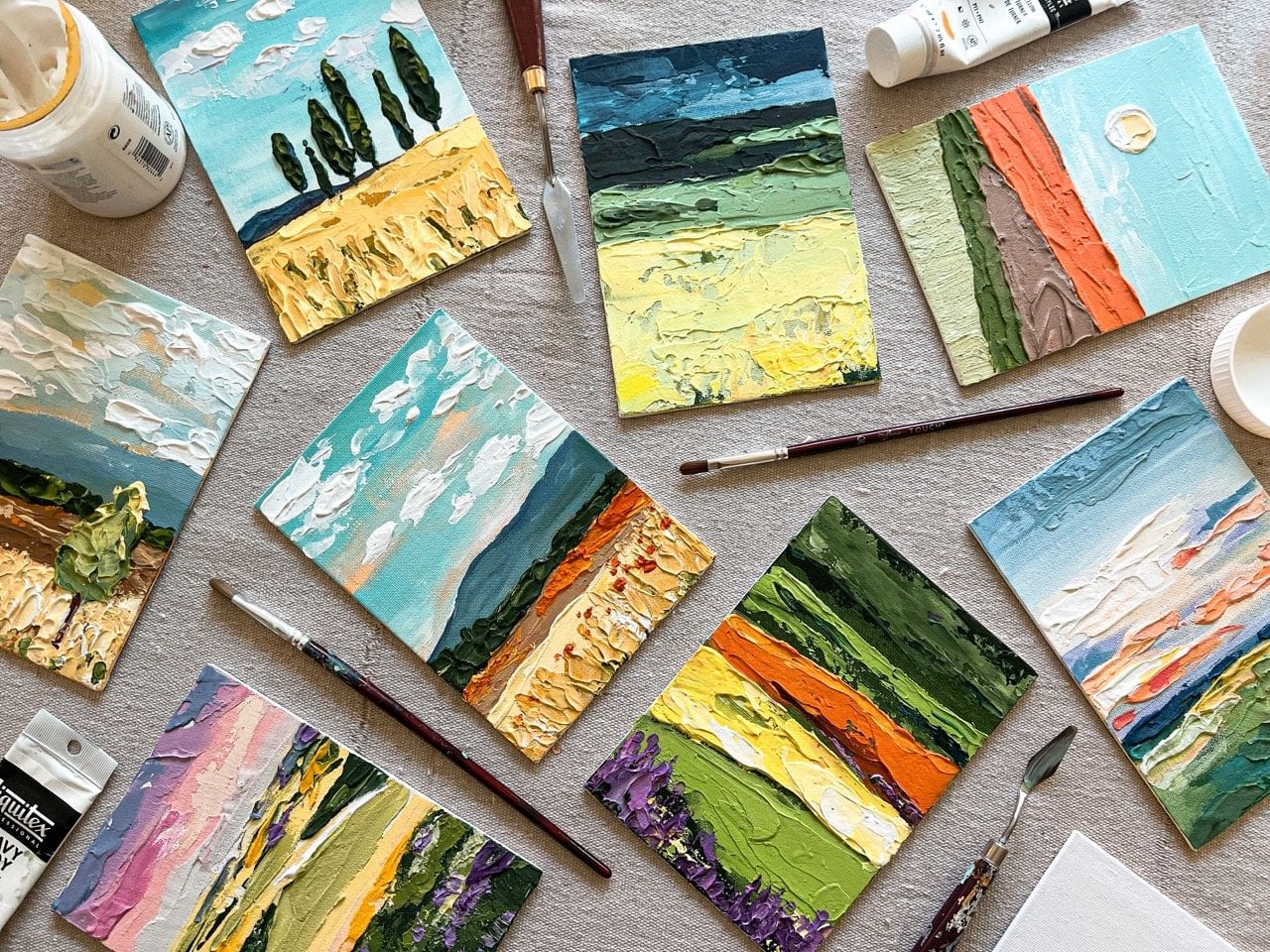
When you layer paint, you add texture and life to your painting landscapes. Each layer brings something new. You can create effects that a single layer cannot. Layering helps you show the roughness of rocks or the softness of clouds. It also lets you blend colors, add highlights, and build shadows.
Layering paint creates textures and effects that are hard to get any other way.
Texture makes your landscapes feel real and lets viewers sense the distance and atmosphere.
Layers add depth, dimension, and complexity to your work.
If you want your painting landscapes to feel rich and full of depth, try building up layers. You will notice how the sense of distance grows with each new layer.
Capture Light and Shadow
Light and shadow bring your painting landscapes to life. You need to watch how light hits objects and how shadows fall. Use one main light source to keep things simple. Shadows help you show the shape of things and make them look three-dimensional. If you manage color temperature, you can create even more depth and show distance.
For example, artists like Thomas Cole used strong contrasts in light and shadow. Morning light gives soft colors, midday brings bright light, and evening covers the landscape in warm tones.
Try using form shadows, cast shadows, and reflected light. These tricks help you show perspective and make the viewer feel the distance in your painting landscapes.
Chromatic Perspective for Depth
Chromatic perspective is a smart way to show depth in painting landscapes. Colors in the front look bright and strong. As things move into the distance, colors become softer and less intense. This change helps the viewer feel the distance and see how far things are.
You can use chromatic perspective by making the colors in the background lighter and cooler. The foreground should have the richest colors. This simple trick adds depth and makes your painting landscapes feel real. When you use chromatic perspective, you guide the viewer’s eye from the front to the far distance, creating a strong sense of space.
Technique |
What It Shows |
How It Helps with Distance and Depth |
|---|---|---|
Brushwork |
Texture, movement |
Shows perspective and distance |
Layering |
Texture, complexity |
Adds depth and atmosphere |
Light and Shadow |
Form, realism |
Defines distance and depth |
Chromatic Perspective |
Color changes |
Enhances depth and sense of distance |
If you use these techniques, you will see your painting landscapes improve. You will create more depth, show distance, and make your scenes feel alive.
Practice Habits for Painting Landscapes

Organize Your Supplies
Painting landscapes is easier when your supplies are neat. Experts say better materials and new skills help you grow. Make friends with art stores. They can give you deals and good advice. Here’s a table with ways to stay organized:
Strategy |
Description |
|---|---|
Material Upgrades |
Use good supplies and keep learning new things. |
Ongoing Education |
Go to classes and workshops to get better. |
Strong Retailer Relationships |
Talk to stores for discounts and help. |
You can go to workshops about painting outside or learning about light. These ideas help you stay ready and focused.
Choose Strong References
Pick photos that show clear light and shadow. Use your own pictures for a personal touch. Stay away from photos that are too bright or too dark. Take pictures in the morning or late day for nice light. Many artists draw outside to see colors and depth that photos miss. If you use both sketches and photos, your paintings will look more lively. Here are some tips for picking good photos:
Use your own photos for a special connection.
Pick pictures with clear light and shadow.
Choose photos that are not cropped.
Take photos in the morning or late day.
Do not use photos that are too bright or too dark.
You can also paint outside to see real colors and shapes.
Paint Regularly and Start Simple
You get better at painting by practicing a lot. If you paint often, you will see yourself improve. Famous artists painted the same places many times. They learned about light, color, and air. Start simple. Begin with the darkest parts. This makes it easy to add light later. Use loose brush strokes at first. This helps you show the feeling of the scene. Here are some tips:
Paint often and repeat the same scenes.
Start with dark parts before adding light.
Use loose brush strokes for energy.
Suggest Groups, Not Every Detail
You do not have to paint every single leaf or grass blade. Show groups of shapes and colors instead. This makes your paintings feel more alive. Less detail can make people feel more. Focus on the main things that give the scene its feeling. Here are some tips:
Use simple shapes and color groups.
Pick the most important things to paint.
Make a strong color choice.
Landscape Paint by Numbers for Structured Learning
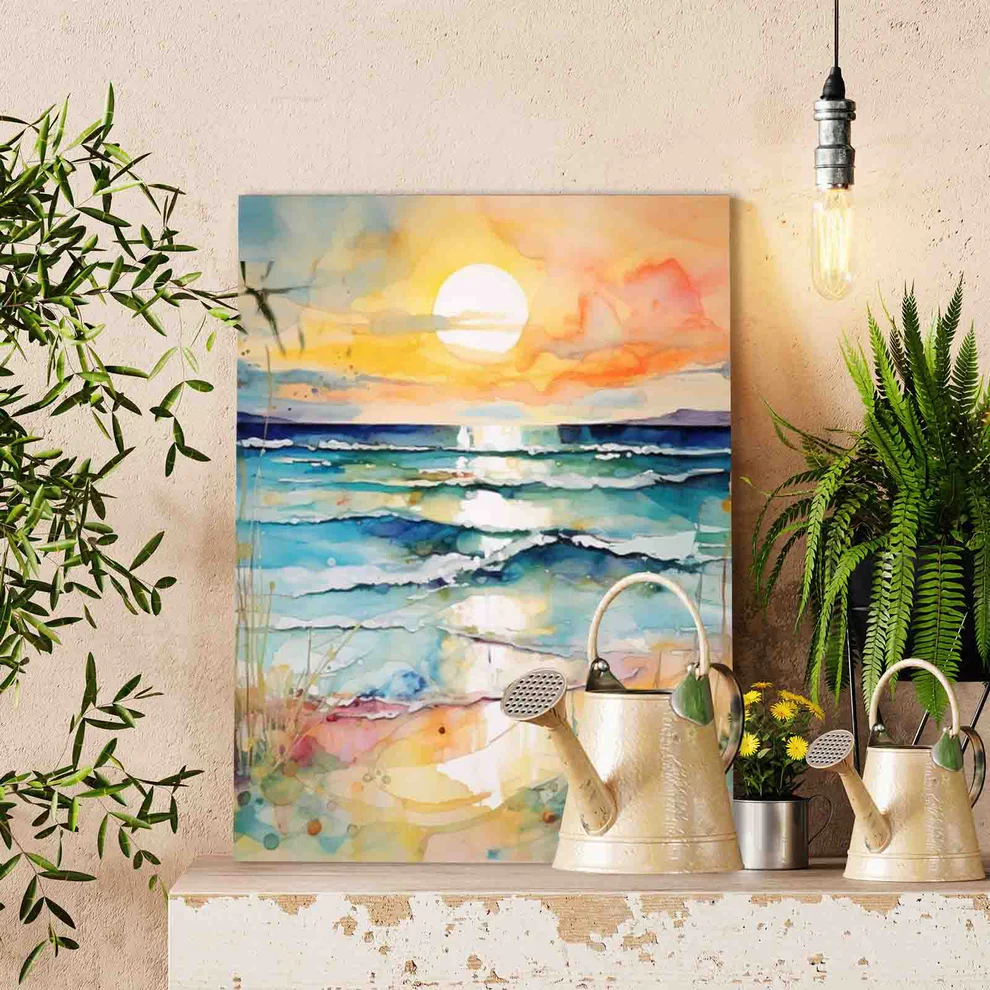
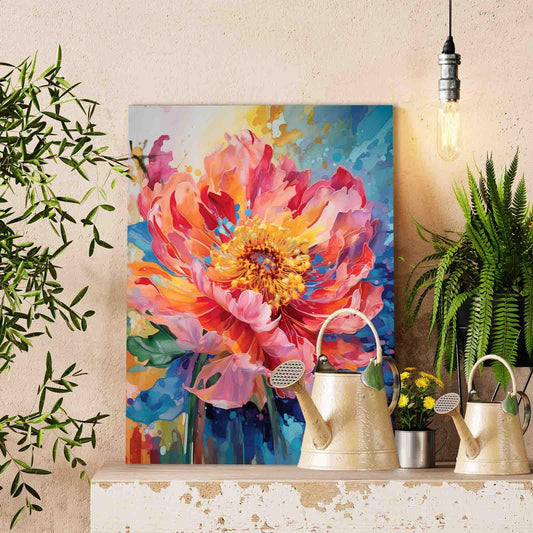
Tucocoo Landscape Paint by Numbers
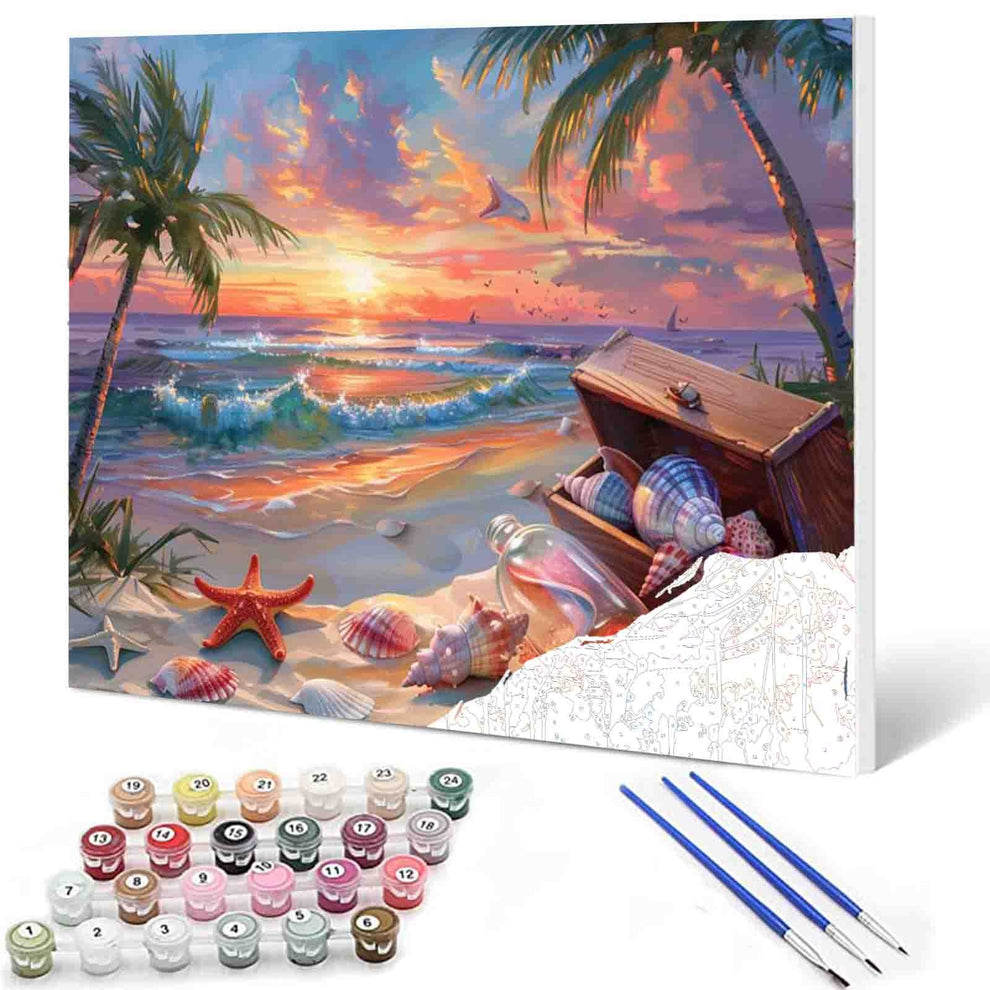
If you want an easy way to learn, try landscape paint by numbers. This helps you follow steps and see how you improve. You build hand skills and learn art tricks. Paint by numbers gives you order and confidence. You can try new things and do well. Michelle Connolly says this helps young artists see patterns and follow steps. Practice a lot, keep painting, and have fun.
You can get better at landscape painting by trying new things. Practice a lot to improve your skills. Making mistakes helps you learn and gives you new ideas. Stay curious and look at these tips again as you get better.
“Choosing the right palette was hard and needed work. The colors were very strong, so most mixes had to be toned down. The drawing took a long time and was tricky. Getting the perspective and size right was very important.”
Having a good attitude and having fun helps you get better.
Evidence Description |
Findings |
|---|---|
Study by Professor Semir Zeki |
Looking at art makes the brain feel happy, showing a good attitude helps. |
Research by Eric Jensen |
Doing art helps your brain and feelings, making you learn and improve more. |
Keep painting, stay excited, and let your landscapes show your story.