
Art Jigsaw Puzzles Through Time and Imagination

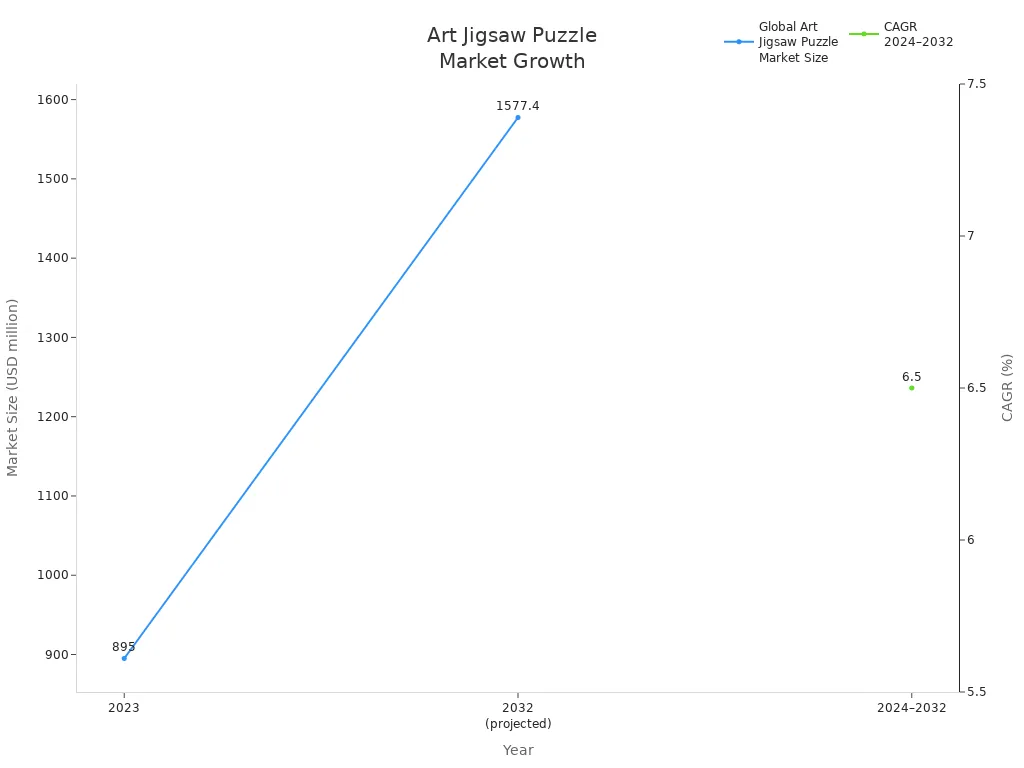
A person sits at a table and works on a puzzle. They fit pieces of a famous painting together. Each piece shows a new part of the picture. Solving the puzzle feels like going on an art adventure. Art jigsaw puzzles have changed a lot over time. They used to be rare and cost a lot of money. Now, people everywhere can enjoy these puzzles and learn about art. It is fun to find the right piece and see the picture come together. Today, art jigsaw puzzles are popular with both kids and adults. In 2023, the global market size was USD 895 million. North America and Europe have seen strong growth.
Aspect |
Details |
|---|---|
Global Market Size (2023) |
USD 895 million |
Projected Market Size (2032) |
USD 1,577.4 million |
CAGR (2024–2032) |
6.5% |
Leading Regions |
North America ( |
Key Takeaways
Art jigsaw puzzles started as learning tools in the 1700s. They later became fun and cheap games for everyone.
New ways to print made puzzles less expensive and more colorful. This helped more people see art at home.
Today, puzzles often show famous art and work with museums and artists. This lets puzzle fans see many kinds of art.
Doing art puzzles helps you focus and be patient. It also makes you more creative and calm.
Art jigsaw puzzles help families spend time together and work as a team. They also help you learn about art history in a fun way.
History of Jigsaw Puzzles
Educational Beginnings
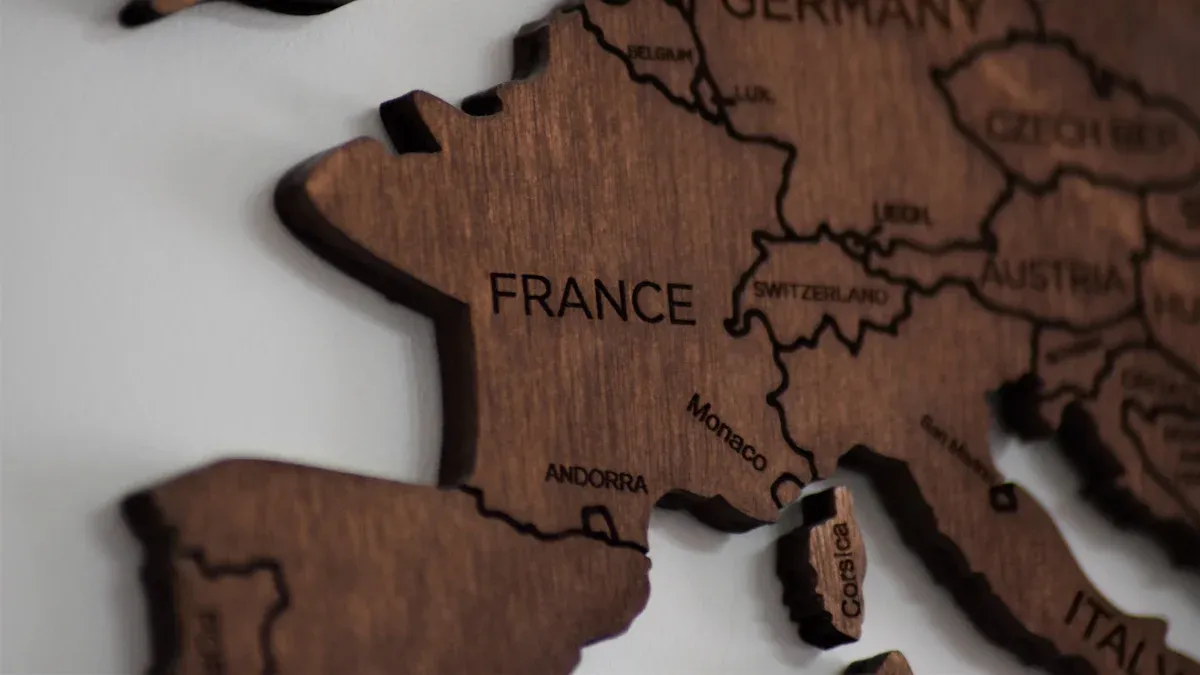
Jigsaw puzzles started in the 1760s with John Spilsbury. He was a mapmaker in London. He made the first jigsaw puzzle by gluing maps on wood. Then, he cut the wood into pieces. These puzzles were called dissected maps. They helped kids learn about geography. Teachers used them in fancy schools and royal homes. Even King George III’s children used them. The main reason for these puzzles was to teach, not to play. John Locke thought toys could help kids learn. Dissected maps followed this idea. In France, Jeanne-Marie Le Prince de Beaumont used wooden maps to teach before Spilsbury sold his puzzles. Letters and books from the 1700s and 1800s show people thought puzzles were great for learning. Jane Austen’s book "Mansfield Park" talks about them in a child’s lessons. Over time, jigsaw puzzles made geography more fun and hands-on.
Luxury and Leisure
Wooden puzzles soon became special items for rich families. Craftsmen made each puzzle by hand. This made them costly and hard to find. Only wealthy people could buy them in the 1700s and early 1800s. Tutors used puzzles to help kids think and solve problems. The high price and careful work made them fancy. In the Victorian era, new machines made puzzles easier to get. But handmade wooden puzzles stayed rare for a long time. Jigsaw puzzles were both for learning and for showing off wealth. Later, puzzles started to show art and other scenes, not just maps. This change made puzzles more for fun than for school. This shift helped puzzles become a favorite way to have fun.
Note: The move from dissected maps to fancy wooden puzzles shows how the first jigsaw puzzle started as a learning tool and became a special item for rich people.
Art in Jigsaw Puzzles
Early Art Themes
In the mid-1800s, puzzles started to change. Makers began using art as themes, not just maps. Some early puzzles showed scenes for adults, like the 'Star of the West' with a person and a horse. This change happened because new printing made colorful pictures possible. Lithographic printing let makers add detailed images to wood. Puzzles became more fun and nice to look at. People liked putting together pictures that looked like real art.
By the late 1800s, art-themed puzzles became more popular. Both kids and adults liked these new designs. Switching from maps to art was a big change for puzzles. In the early 1900s, die-cutting machines made even more detailed puzzles. Makers worked with artists to put famous paintings and creative scenes on puzzles. Now, people could collect and enjoy art jigsaw puzzles at home.
Note: Using art themes made puzzles more than learning tools. They became fun and brought art into daily life.
Narrative and Timeline Puzzles
Some puzzles do more than show one picture. Narrative and timeline puzzles tell stories or show art history. One famous puzzle is "The Story of Art in 1,000 Pieces" by Susie Hodge. This puzzle shows fifty big moments in art history. It starts with old cave drawings and goes to things like the Terracotta Army and modern photos in the Amazon. Each piece helps build a timeline, making art history fun to learn.
Art jigsaw puzzles like this make art history easier to understand. People can explore important events and styles while solving puzzles. Many museums now sell puzzles based on their art. These puzzles are cheap souvenirs and help people enjoy art at home. Families and friends can work together, making art learning fun for everyone. Puzzles help people look closely at great art, turning learning into a relaxing group activity.
Art jigsaw puzzles let people enjoy famous art at home.
Museum puzzles help people remember their favorite art.
Puzzles help museums earn money and get people interested in art.
Custom puzzles can help new art shows and get more people to notice them.
Art jigsaw puzzles have made art history easier to reach. Anyone can learn about art, no matter where they live. By making learning fun, these puzzles help people of all ages connect with art and its story.
Mass Production
Printing Innovations
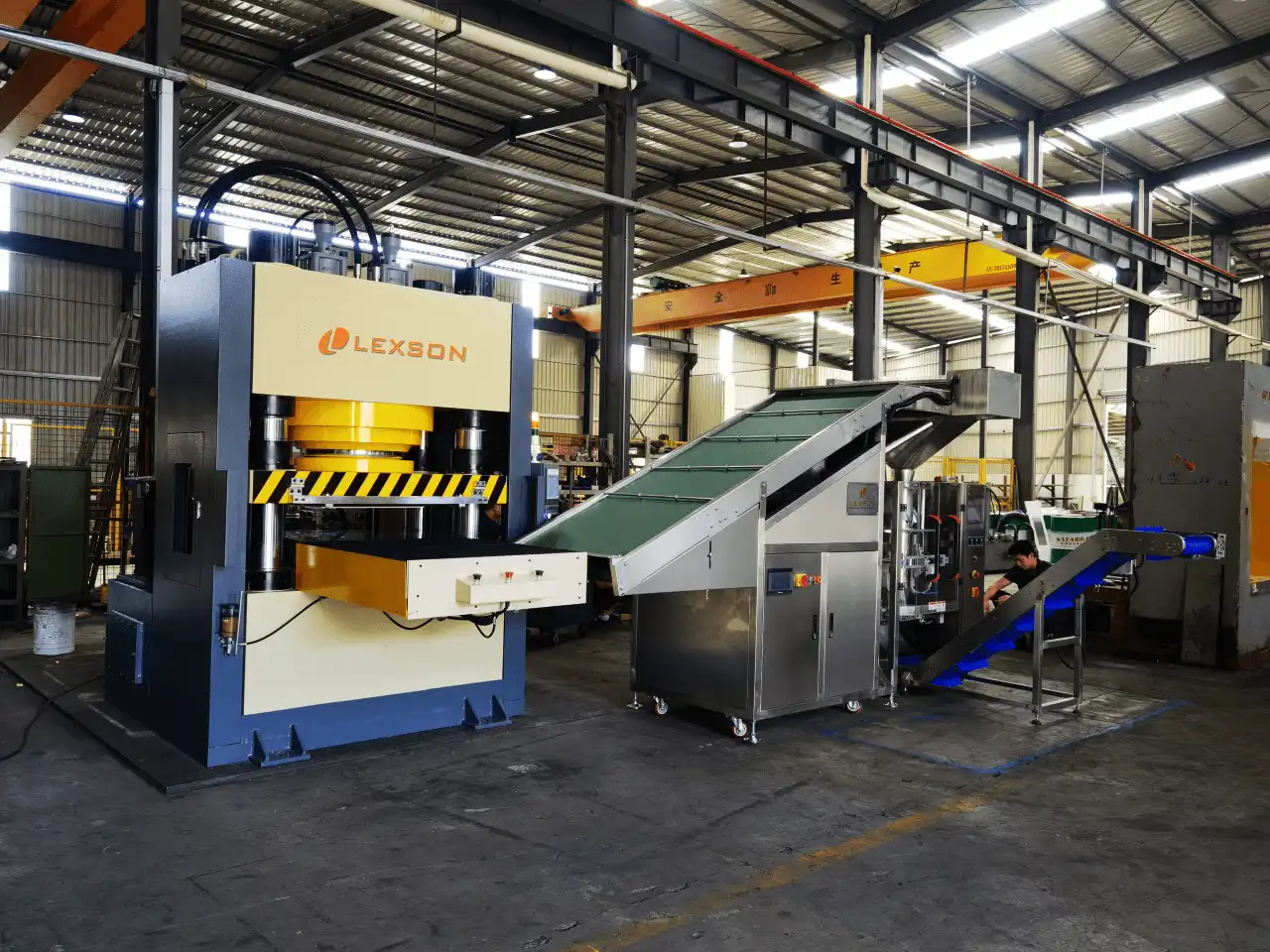
The Industrial Revolution made puzzle making very different. Factories began to use die-cutting machines. These machines could cut many pieces at the same time. This made making puzzles faster and more exact. Makers used new printing to add bright colors and clear details. Lithography became very important. It let artists print detailed pictures on cardboard or wood. Laminating helped protect the pictures, so puzzles lasted longer.
Today, factories use computer-controlled die-cutting machines. These machines cut puzzle pieces very accurately. Digital design tools help artists make new and tricky images for puzzles. Quality control checks each puzzle for mistakes. These steps make sure every puzzle looks nice and fits well.
Die-cutting machines make special, locking pieces.
Lithographic and digital printing add bright pictures.
Lamination keeps puzzles strong and colorful.
Computer systems make puzzles faster and better.
Wider Access
Mass production made puzzles cheaper and easier to get. Before, only rich families could buy them. Now, people from many backgrounds enjoy puzzles at home, in schools, and in community centers. The table below shows how new technology changed puzzles for everyone.
Aspect |
Impact on Affordability and Diversity |
|---|---|
Industrial Revolution |
Made puzzles more affordable and accessible to a broader audience. |
Die-cutting Technology |
Reduced costs, increased availability, and variety of puzzles. |
Automated Die-cutting |
Ensured consistent quality and large-scale production. |
Digital Design Tools |
Expanded themes and visual appeal. |
Advanced Printing & Finishing |
Increased attractiveness and longevity of artistic puzzles. |
Popularity during Great Depression |
Showed affordability and broad appeal. |
More people can now use puzzles for fun, learning, and relaxing. Online stores and new materials made puzzles even more popular. Many families collect art puzzles as decorations or gifts. Puzzles now bring people together and help them enjoy art in new ways.
Art Jigsaw Puzzles Today
Modern Collaborations
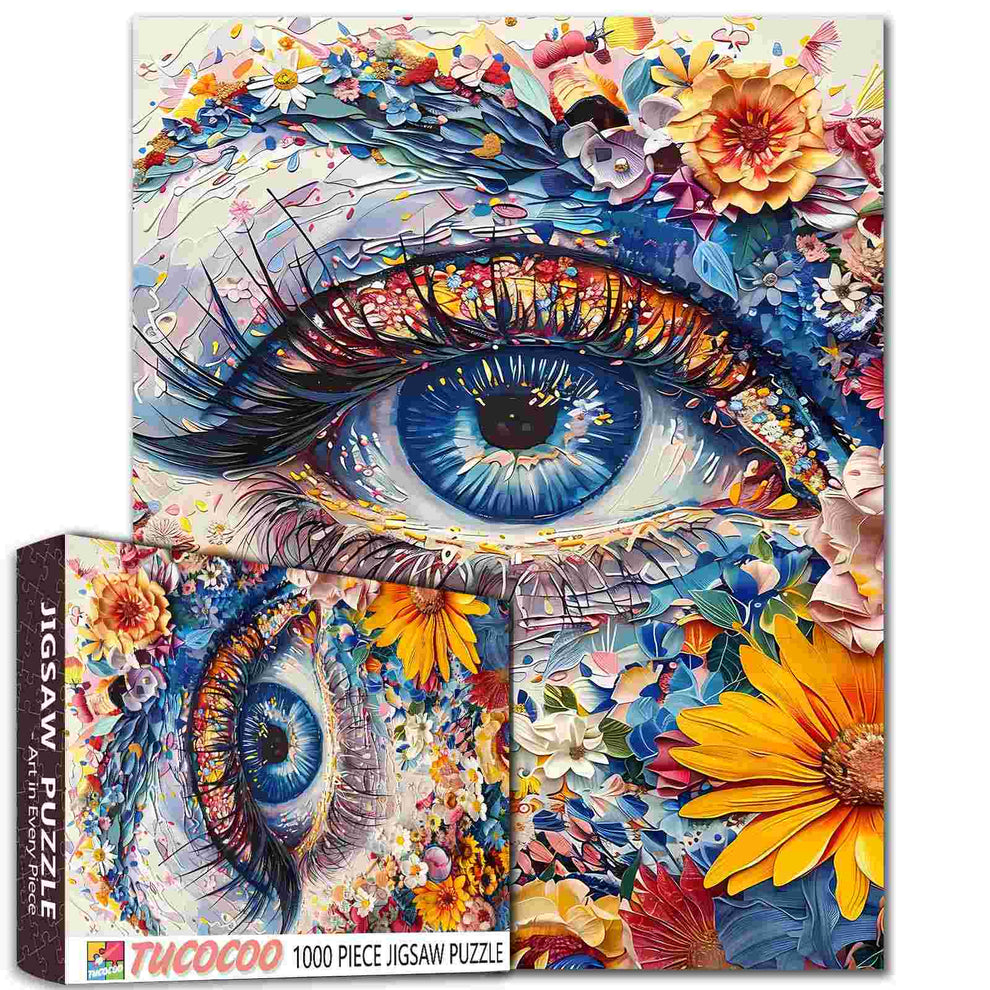
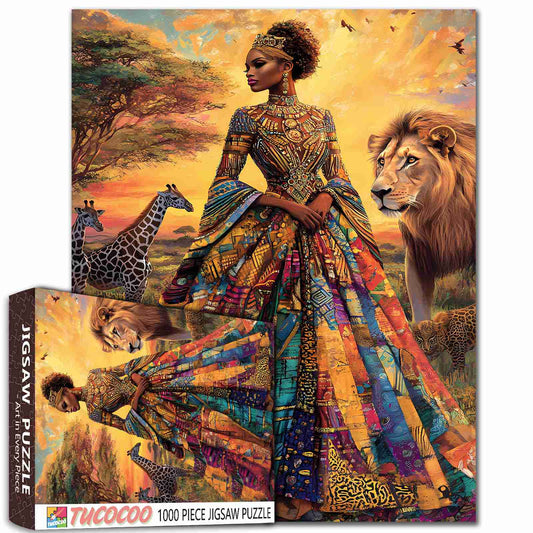
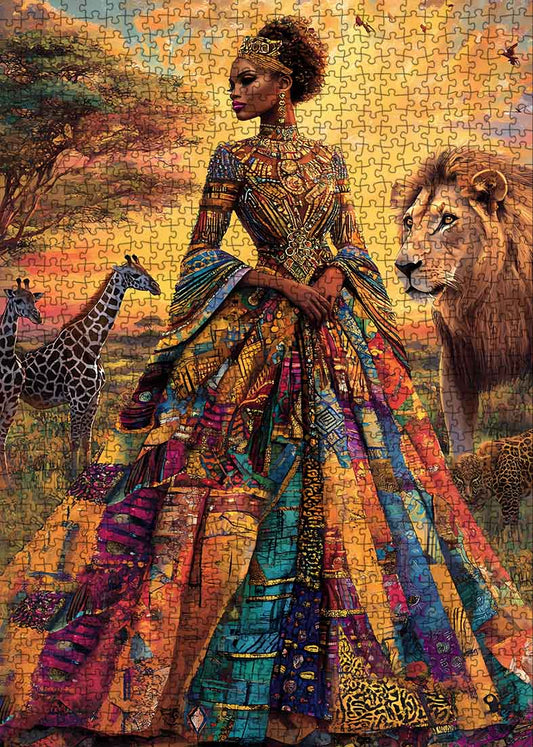
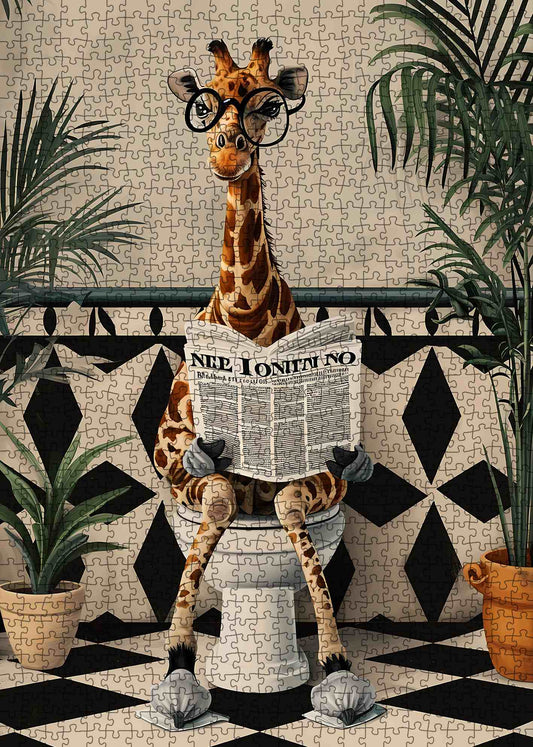
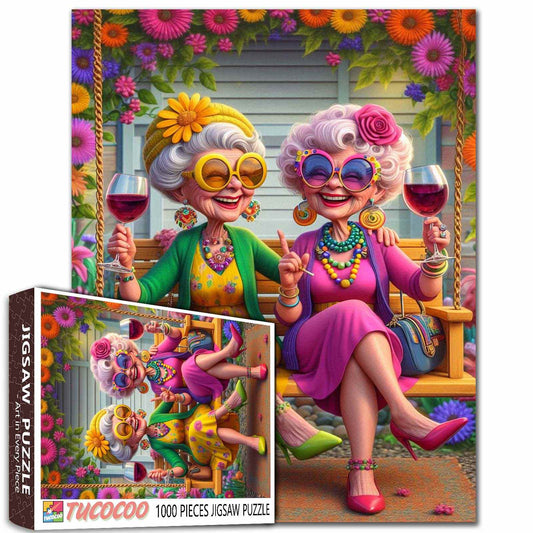
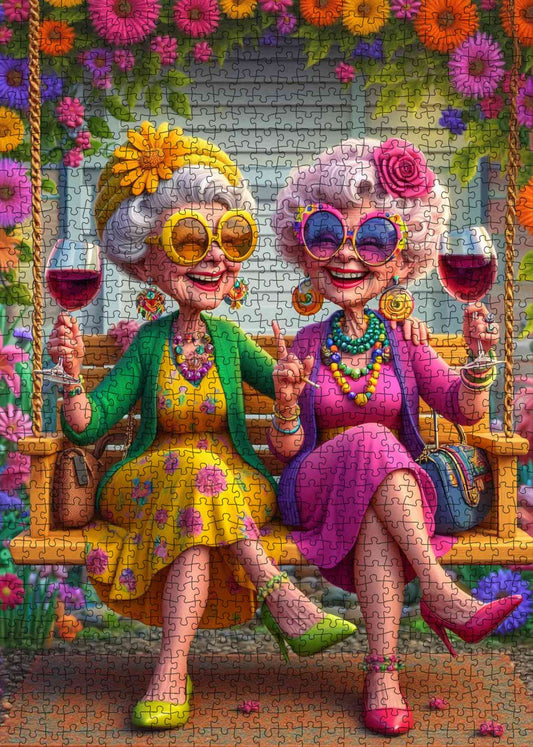
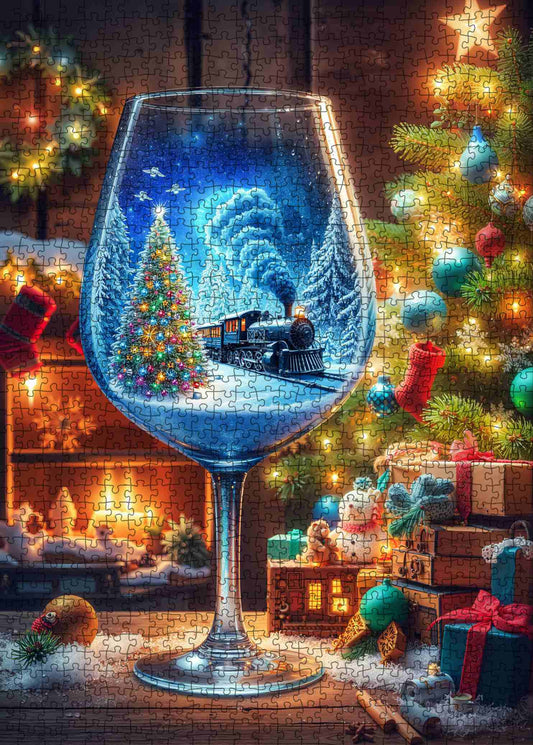
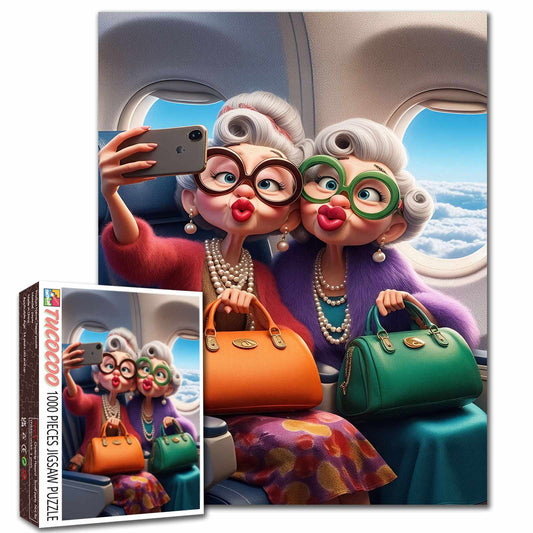
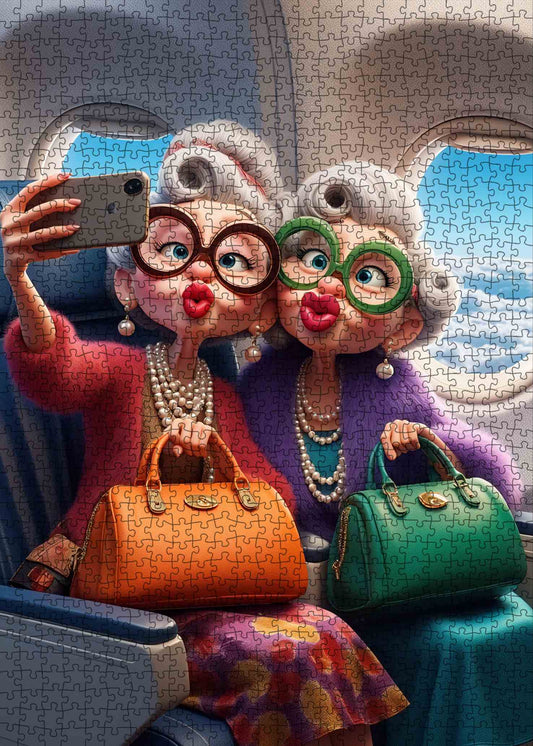
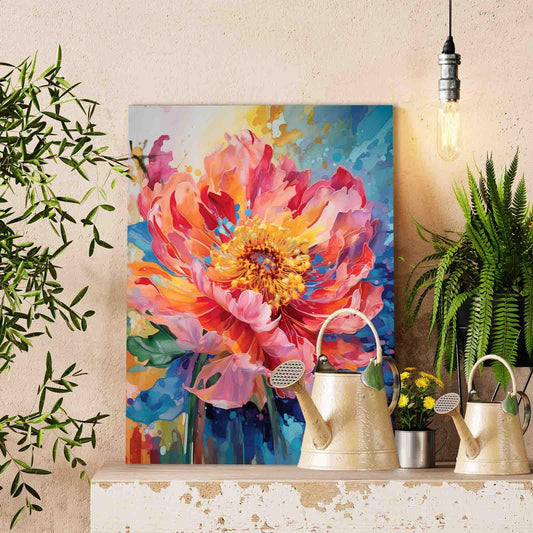
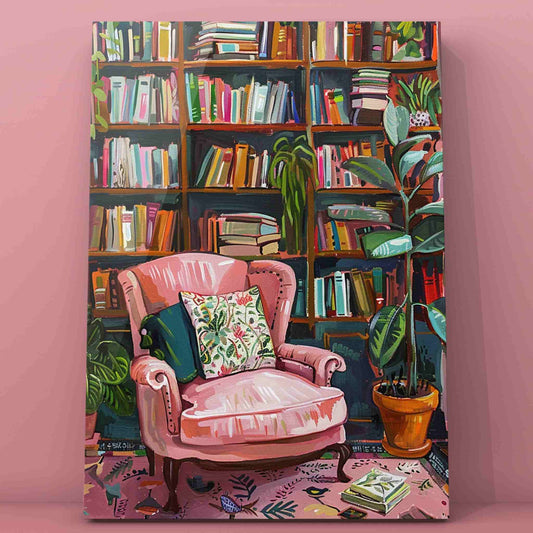
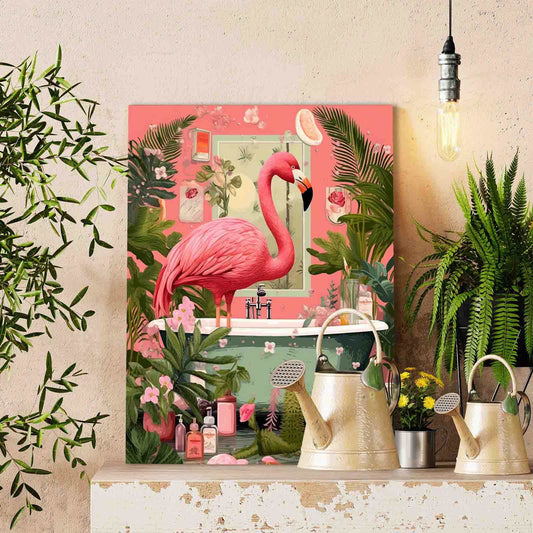
Many artists and puzzle brands are working together to bring more diverse art into homes. Tucocoo collaborates with modern and emerging artists to transform their work into creative puzzle designs. The brand ensures fair compensation and supports artistic communities. Through these efforts, Tucocoo makes art more accessible and brings a greater variety of visual experiences to puzzle lovers.
Artist |
Museum/Store |
Puzzle Details |
Significance |
|---|---|---|---|
Various Artists |
1,000-piece puzzles featuring modern, fantasy, and lifestyle-inspired art |
Brings creative, high-quality artwork into homes through collectible puzzles |
|
Jordan Casteel |
Studio Museum in Harlem |
750-piece "Kevin the Kiteman" puzzle (19 x 20.5 inches) and 30-piece children’s version |
Lets more people enjoy artist residency work. |
Horace Pippin |
Saint Louis Art Museum |
300-piece puzzle of "Sunday Morning Breakfast" (12 x 16 inches) |
Helps people enjoy museum art at home. |
Gee’s Bend Quilt Artists |
Amazon (Galison) |
1,000-piece puzzle celebrating quilt artistry (27 x 20 inches) |
Honors quilt art by African American women. |
Alma Thomas |
National Gallery of Art |
100-piece "Autumn Drama" puzzle (9 x 12 inches) |
Shows an important painting from a big collection. |
Alma Thomas |
MoMA Design Store |
1,000-piece "Untitled" study puzzle (13.4 x 38.6 inches) |
Connects museum and puzzle with a special art study. |
Modern artists like Steve Skelton also make fun puzzle designs. His "Tooniverse" and "Name That Toon" puzzles mix cartoon art and games. These puzzles use new tech and original art. They show how art jigsaw puzzles can change with new ideas.
Creativity and Mindfulness
Art jigsaw puzzles help people relax and be creative. Solving puzzles with pretty art makes people notice small things and think differently. Putting pieces together takes focus and patience. This helps people forget worries and feel calm.
Studies say puzzles can help memory, focus, and problem-solving. Doing puzzles also makes people feel happier and less stressed.
Many people use puzzles to practice mindfulness. Looking for pieces and seeing progress brings peace. Therapists sometimes use puzzles to help people with anxiety and feelings. Puzzles with calm scenes, like nature or animals, make a peaceful mood.
Online groups and social media made puzzles even more liked. People share finished puzzles, join contests, and meet others who love puzzles. New trends are smart puzzles with apps, live contests, and custom designs. These changes help more people enjoy art jigsaw puzzles as a creative and relaxing hobby.
Art jigsaw puzzles mix art and play. They are fun and help people learn. Museums and researchers say puzzles teach about culture. Puzzles also help people think better. Families use puzzles to work as a team and share stories:
Puzzles let everyone join and talk together.
Custom puzzles make family memories special.
Doing puzzles without screens helps people relax.
Aspect |
Details |
|---|---|
Market Growth |
Art puzzles will rise from USD 1.89 billion (2023) to USD 2.4 billion (2032) |
Key Trends |
More custom and famous art puzzles, digital extras, more artist teamwork |
Puzzles stay popular because they spark new ideas. They also help people spend time together. Anyone can enjoy art jigsaw puzzles at home.
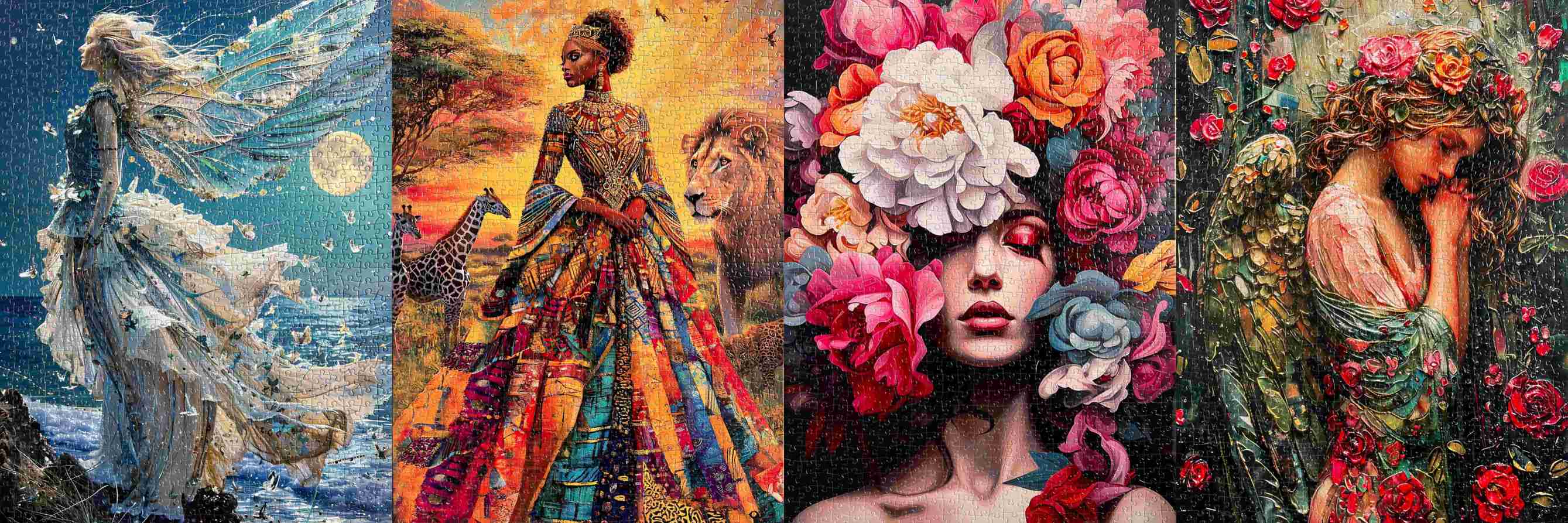
Tucocoo Jigsaw Puzzles
FAQ
What makes art jigsaw puzzles different from regular puzzles?
Art jigsaw puzzles show famous paintings or creative artwork. These puzzles help people learn about art as they solve them. Regular puzzles usually have photos, cartoons, or patterns instead of art.
How do art jigsaw puzzles help with learning?
Art jigsaw puzzles teach about artists, styles, and history. People notice small details in paintings they might miss at a museum. Teachers use these puzzles to make art lessons more fun and hands-on.
Can children and adults both enjoy art jigsaw puzzles?
Yes, both kids and adults can enjoy art jigsaw puzzles. Puzzle makers create different sizes and piece numbers for all ages. Families often work together to finish a puzzle and learn about art.
Are there puzzles for famous artists or museums?
Many companies make puzzles with art from famous artists or museums. People can find puzzles with art by Van Gogh, Monet, or artists from the Museum of Modern Art. These puzzles bring museum art into homes.
What skills can people build by doing art jigsaw puzzles?
People build patience, focus, and problem-solving skills. They also get better at remembering things and noticing details. Doing puzzles in groups helps with teamwork and talking to others.