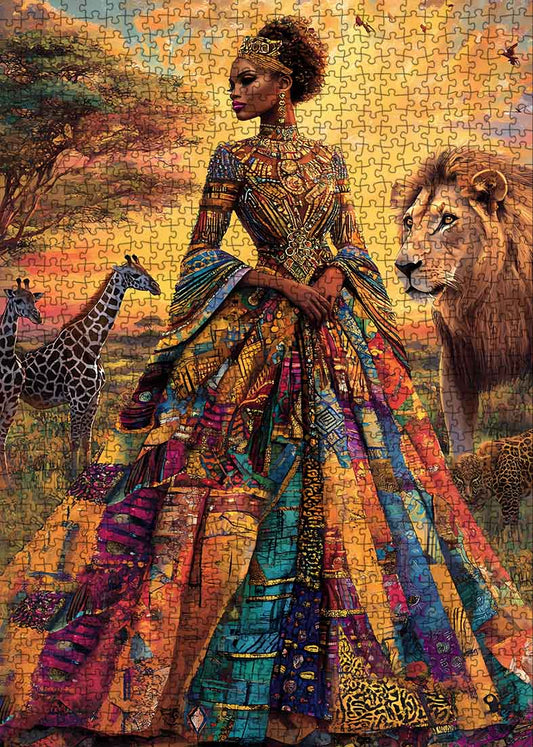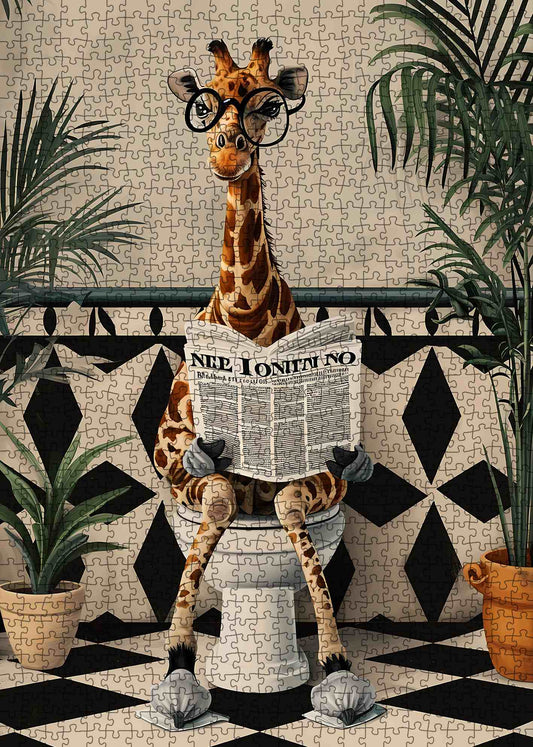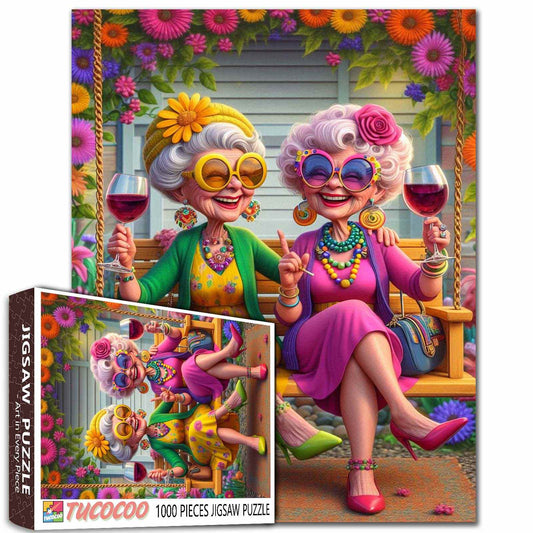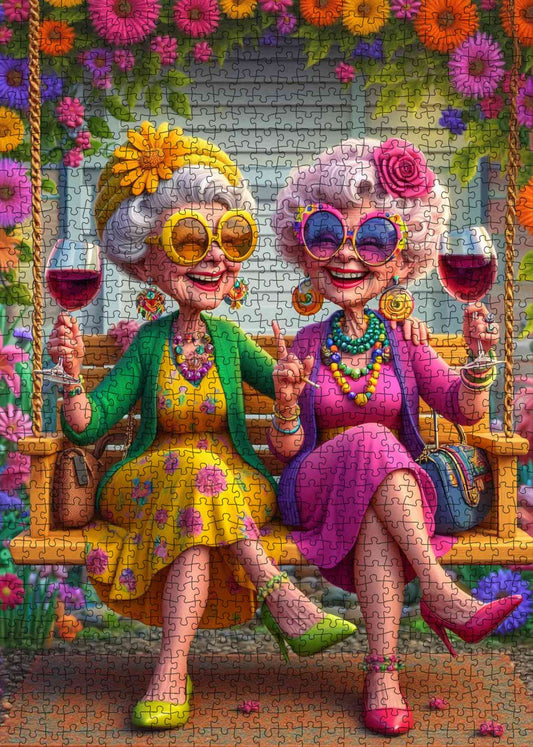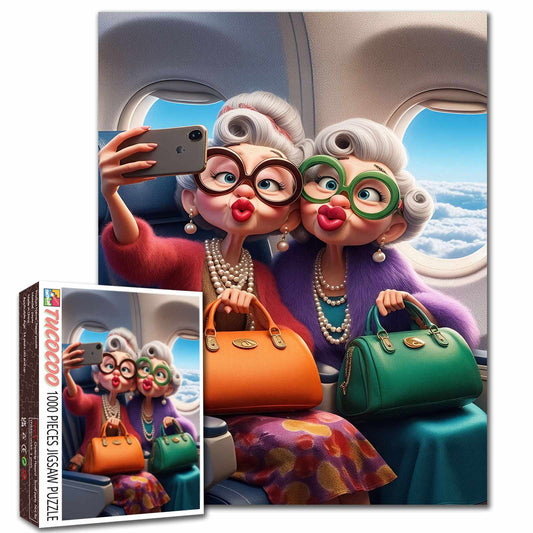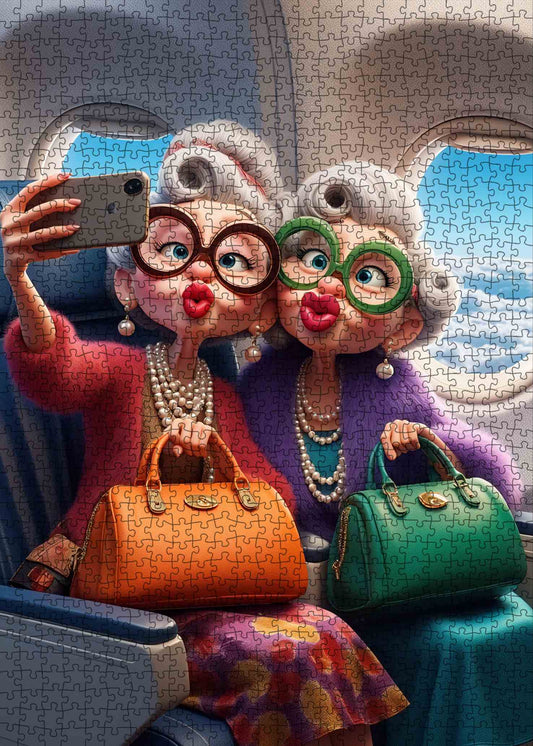
What Makes a 1000 Piece Jigsaw Puzzle Challenging
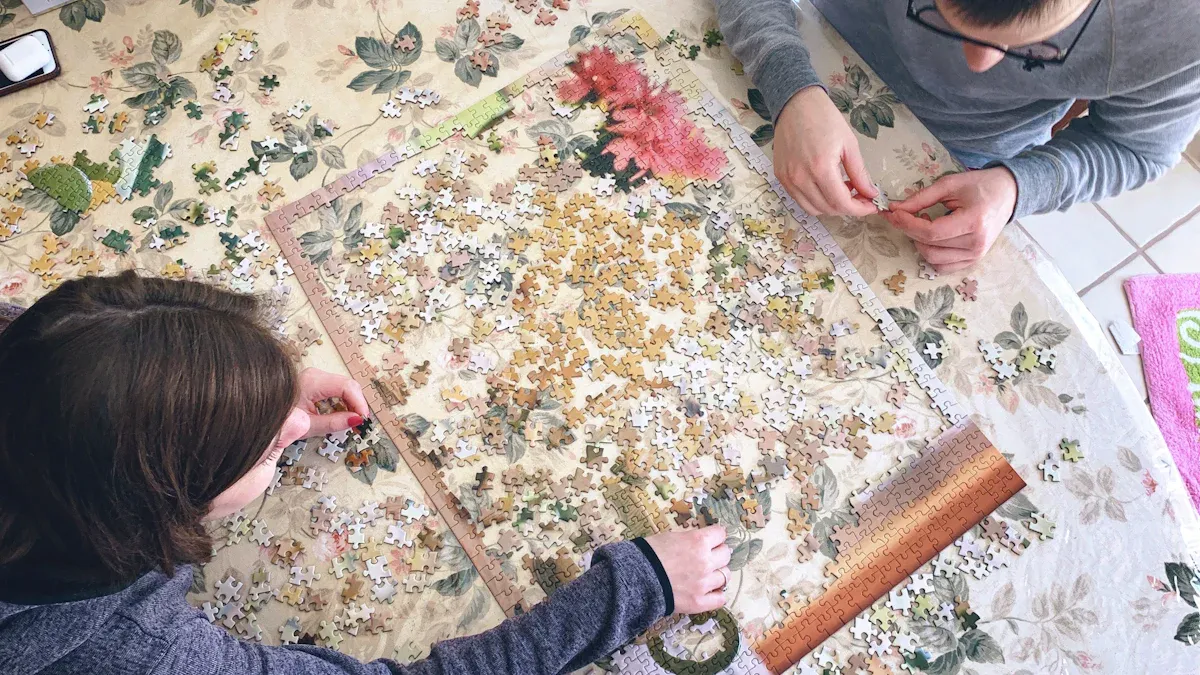
When you sit down with puzzles jigsaw 1000 pieces, a few things stand out immediately. The sheer number of pieces in puzzles jigsaw 1000 pieces grabs your attention, but it’s not always the main challenge. The complexity of the image in puzzles jigsaw 1000 pieces—like intricate patterns or big areas of the same color—can really throw you off. The shape of each piece in puzzles jigsaw 1000 pieces also plays a role, since some pieces just don’t fit where you think they should. Your mindset is important, too. While many people assume that puzzles jigsaw 1000 pieces are always harder just because of the piece count, research shows that the number of pieces alone doesn’t always make it more difficult. With puzzles jigsaw 1000 pieces, it’s the combination of all these factors that truly creates the challenge.
Key Takeaways
A 1000 piece puzzle is hard because of many things. It is not just the number of pieces. The picture can be tricky. The shapes of the pieces can also make it tough.
You can sort pieces by edges, colors, and shapes. This helps you finish faster. It also makes you feel less stressed.
Puzzles with repeating patterns or color changes are harder. Puzzles with bright, clear colors are easier to finish.
If you stay motivated and focused, you will do better. This helps you not get upset when it is hard.
Work on one part at a time. Celebrate small wins. This keeps you happy and makes the puzzle more fun.
Piece Count
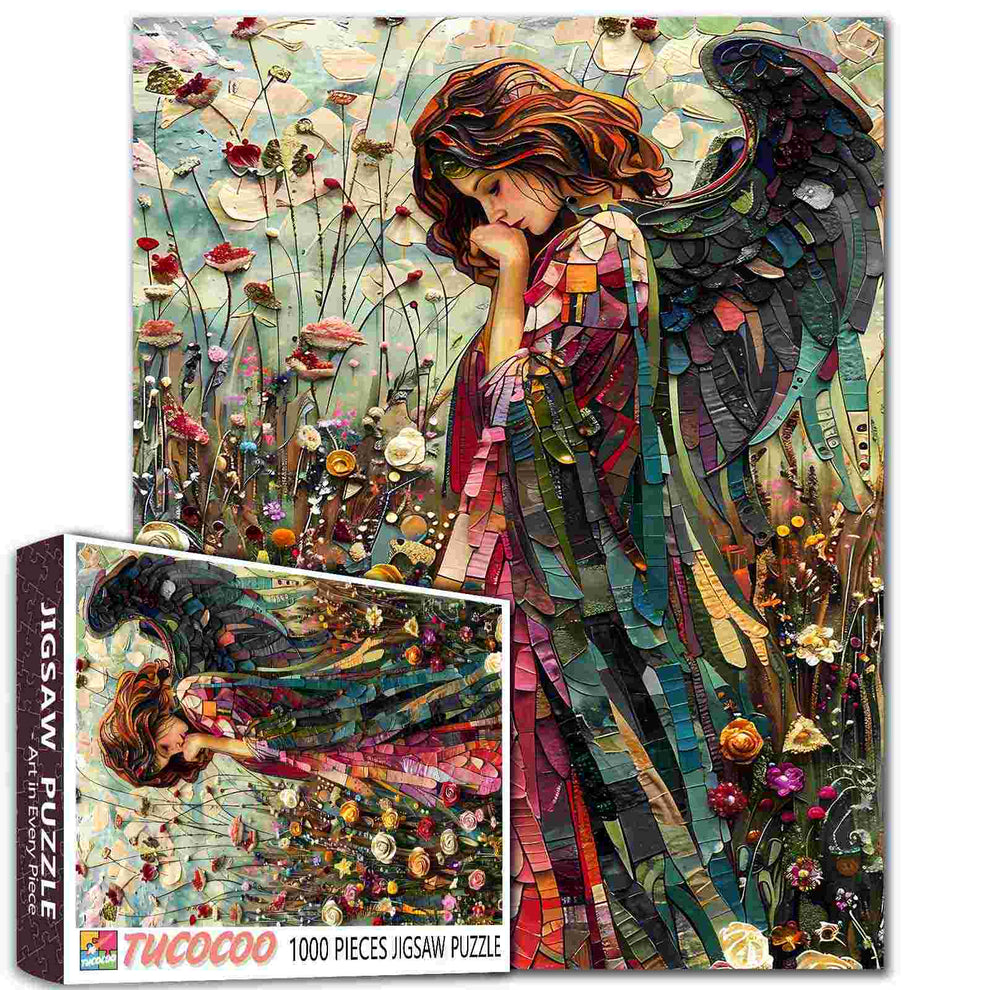
1000 Piece Puzzle Challenge
When you open a box of puzzles jigsaw 1000 pieces, you see a mountain of tiny pieces. That number alone can feel overwhelming. You might wonder, “Where do I even start?” The truth is, the challenge of a 1000 piece puzzle comes from more than just the number. You have to find where each piece fits, and with so many options, it’s easy to get stuck. Sometimes, you pick up a piece and try it in ten different spots before it finally clicks.
Tip: Don’t let the big number scare you! Break the puzzle into smaller goals. Focus on finding the edge pieces first or group pieces by color.
Many people think that puzzles jigsaw 1000 pieces are only for experts. That’s not true. You can tackle them if you stay patient and use smart strategies. The sense of accomplishment you get when you finish is huge. It feels like you’ve climbed a mountain, one piece at a time.
Piece Size Impact
Piece size matters a lot in puzzles jigsaw 1000 pieces. Smaller pieces mean more detail and less space for each piece to stand out. You might notice that some 1000 piece puzzle sets have pieces that are almost the size of your fingertip. This makes it harder to spot differences between pieces.
Larger pieces are easier to handle and see.
Smaller pieces can make the puzzle look more crowded and confusing.
If you find yourself struggling, try sorting the pieces by shape or color. This simple step can make a big difference. Remember, every piece has its place, no matter how small.
Image Complexity
When you look at a 1000 piece puzzle, the picture on the box can tell you a lot about how tough it will be. Some images make your job much harder. Others give you clues that help you finish faster.
Patterns and Gradients
Have you ever tried a puzzle with a sky that slowly changes from light blue to dark blue? Or maybe a field of grass where every piece looks almost the same? These are called gradients and repetitive patterns. They can really slow you down. You might spend a long time trying to figure out where one blue piece fits because it looks just like ten others.
Puzzles with lots of repeating shapes or colors, like a pile of jellybeans or a brick wall, can feel impossible. Your eyes get tired, and you start to second-guess every move. You may even feel like you’re not making progress at all.
Tip: Take breaks if you get stuck on tricky patterns. Sometimes, stepping away helps you spot differences you missed before.
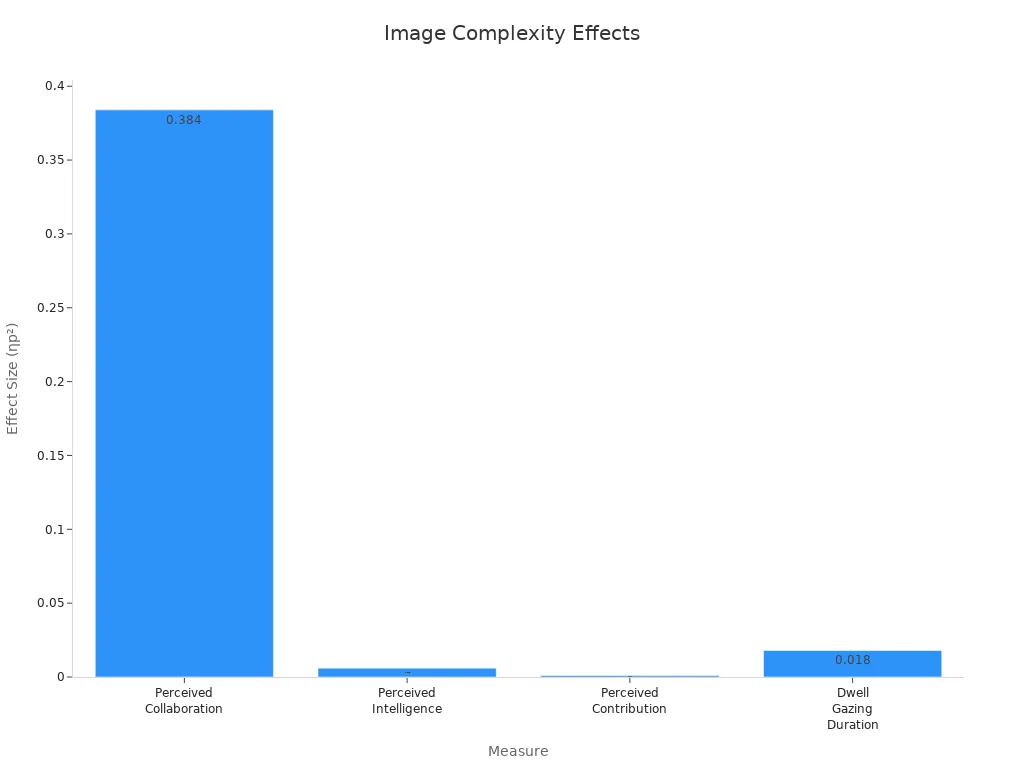
Researchers have studied how image complexity affects puzzle solving. They found that people work together better when the puzzle image is simple. Here’s a quick look at some results:
Measure |
Statistical Test Result |
Significance (p) |
Effect Size (ηp²) |
Interpretation |
|---|---|---|---|---|
Perceived Collaboration |
Wilk's Λ = .616, F(1,26) = 16.206 |
< .001 |
.384 |
People felt they worked together more on simple images. |
Perceived Intelligence |
Wilk's Λ = .994, F(1,26) = .146 |
.705 |
.006 |
Image complexity did not change how smart people felt. |
Perceived Contribution |
Wilk's Λ = .999, F(1,26) = .026 |
.873 |
.001 |
No big change in how much people thought they helped. |
Dwell Gazing Duration (Gaze) |
Wilk's Λ = .982, F(1,26) = .473 |
.498 |
.018 |
Looking time did not change much with image complexity. |
Block Colors
Now, think about a puzzle with big blocks of color—maybe a rainbow or a flag. These puzzles can be easier because you can sort pieces by color and work on one section at a time. When you see a bright red area or a bold yellow stripe, you know exactly where those pieces go.
Distinct colors help you organize your work.
Clear sections let you finish parts of the puzzle quickly.
If you want a challenge, pick a puzzle with lots of patterns and gradients. If you want a smoother ride, go for one with bold, separate colors. The image you choose shapes your whole puzzle experience.
Piece Shape
Standard vs. Irregular
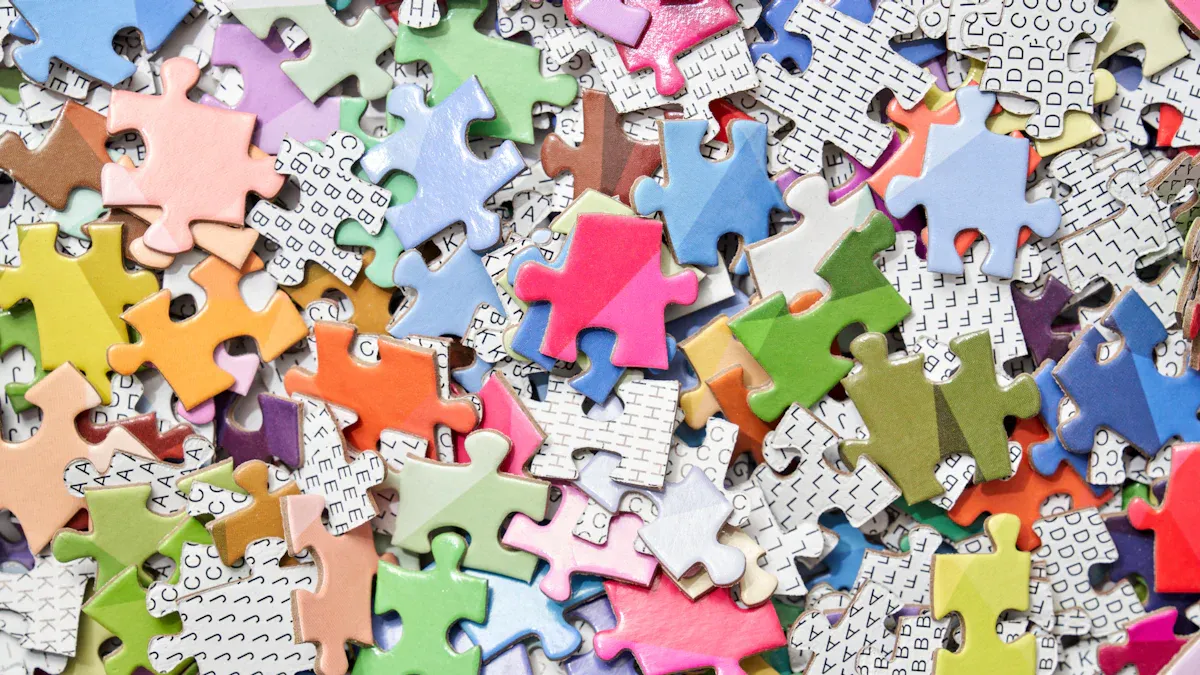
When you open a 1000 piece puzzle, you might expect every piece to look the same. That’s not always true. Some puzzles use standard shapes, where each piece has the classic “knob and hole” design. These pieces fit together in a way that feels familiar. You can often guess where a piece goes just by its shape.
Other puzzles use irregular shapes. These pieces might have wavy edges, strange corners, or even look like animals or objects. Irregular pieces make you think harder. You can’t just rely on the picture or the usual fit. You have to pay close attention to every detail. Sometimes, you try a piece in many spots before it finally clicks. This adds a fun twist but also makes the puzzle more challenging.
Tip: If you get stuck, look for unique shapes. Odd pieces often have only one possible spot.
Edge and Border Pieces
Most puzzlers like starting with the border. Edge pieces have one flat side, so they stand out from the rest. When you build the frame first, you create a clear outline. This makes the rest of the puzzle easier to manage. You can sort the inside pieces by color or pattern and work your way in.
Some puzzles make things trickier by removing the border. No edge pieces mean you can’t use the usual strategy of starting with the border. You have to jump right into the middle, which can feel confusing. You might spend more time searching for where each piece fits. This kind of puzzle tests your patience and your eye for detail.
Standard edge pieces = easier start
Missing borders = extra challenge
No matter the shape, every piece has a place. Take your time, and enjoy the process.
Psychological Factors
Motivation and Focus
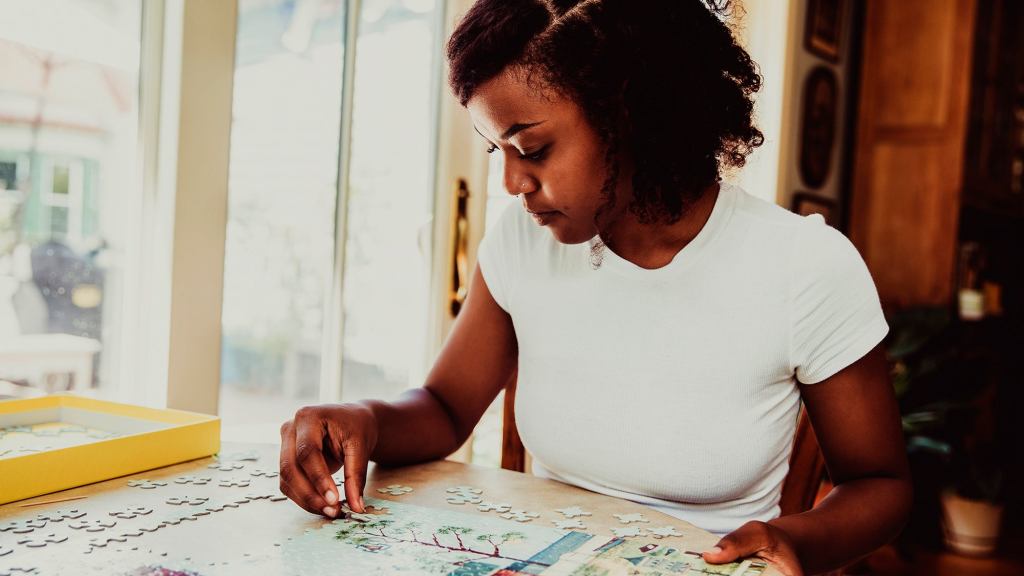
You might think puzzles are all about finding the right piece, but your mind plays a huge role, too. When you feel excited to solve a puzzle, you stick with it longer. Motivation gives you the push to keep going, even when things get tough. Setting small goals, like finishing the border or a certain section, can help you stay on track.
Focus is just as important. If you let your mind wander, you might miss an obvious match. Top athletes use special tricks to keep their attention sharp. You can use these ideas, too. Try to block out distractions, like your phone or TV. Give your full attention to the puzzle in front of you.
Here are some ways motivation and focus help you solve puzzles:
Motivation helps you set goals and celebrate small wins.
Focus lets you spot tiny differences between pieces.
Blocking out distractions keeps your mind on the puzzle.
Staying positive makes the whole experience more fun.
Tip: Take a deep breath and remind yourself why you started. Every piece you place is progress!
Frustration Management
Everyone feels stuck sometimes. You might try the same piece over and over, and it just won’t fit. That’s normal! The key is to manage your frustration so you don’t give up.
Try these simple tricks:
Step away for a few minutes. A short break can clear your mind.
Work on a different section if you feel stuck.
Remind yourself that puzzles are supposed to be challenging.
You can also use a timer. Give yourself ten minutes to work, then take a break. This keeps your mind fresh and helps you avoid getting overwhelmed.
Remember: It’s okay to make mistakes. Each wrong piece brings you closer to the right one. Stay patient, and enjoy the journey!
What Makes a Puzzle Difficult

Misconceptions
You might think that a puzzle with more pieces is always harder. That sounds logical, right? But the truth is, the number of pieces is only one part of the story. Sometimes, a 500 piece puzzle with a tricky image or odd-shaped pieces can feel much tougher than a 1000 piece puzzle with clear colors and simple shapes.
Many people fall into the trap of believing that bigger always means more difficult. In reality, what makes a puzzle difficult often comes down to how you interact with the pieces and the picture. For example, you might struggle with puzzles that have lots of similar colors or repeating patterns, even if there are fewer pieces. You may also find yourself making the same mistakes over and over, like trying to fit a piece in the wrong spot or rotating it the wrong way. Researchers have looked at how people solve puzzles and found that common errors—like incorrect rotations or repeated moves—can show where you get stuck. By tracking the steps you take and the mistakes you make, experts can see that misconceptions about puzzle difficulty do not always match up with actual performance. Sometimes, the real challenge comes from the way you approach the puzzle, not just the number of pieces.
Note: If you ever feel frustrated, remember that everyone makes mistakes. Each error helps you learn and get closer to the solution.
Age and Skill Level
Your age and skill level play a big role in how you experience puzzles. If you are a younger child, a 1000 piece puzzle might feel overwhelming. Older children, teens, and adults usually have better focus, patience, and problem-solving skills. That is why most 1000 piece puzzles are best for these age groups.
Studies show that older adults often take longer to solve puzzles than younger adults. This happens because things like memory, attention, and hand movement can change as you get older. Younger people may move faster, but older puzzlers often use clever strategies to make up for it. Even among children, older kids tend to place more pieces correctly than younger ones. Parents can help by encouraging kids to keep trying, even after a mistake. This support helps children build confidence and improve their skills.
You might notice that your puzzle skills grow with practice. The more you work on puzzles, the better you get at spotting patterns, sorting pieces, and staying patient. No matter your age, you can enjoy the challenge and feel proud of your progress.
Tip: Choose puzzles that match your skill level. If a 1000 piece puzzle feels too hard, start with a smaller one and work your way up. You will build confidence and have more fun.
Tips for Doing 1000 Piece Jigsaw Puzzles
Sorting Strategies
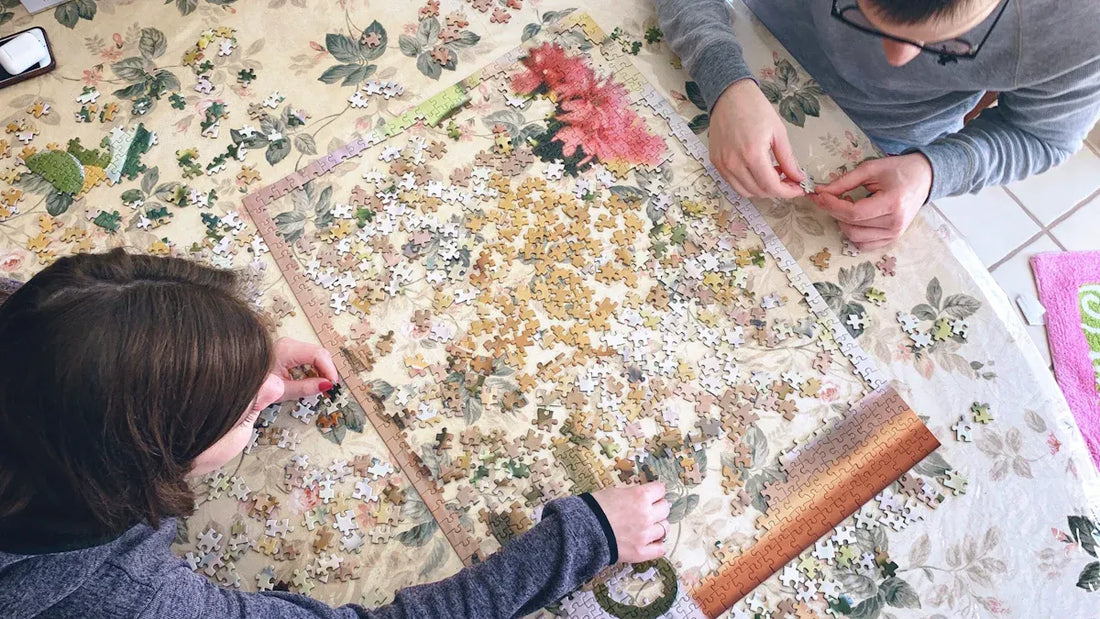
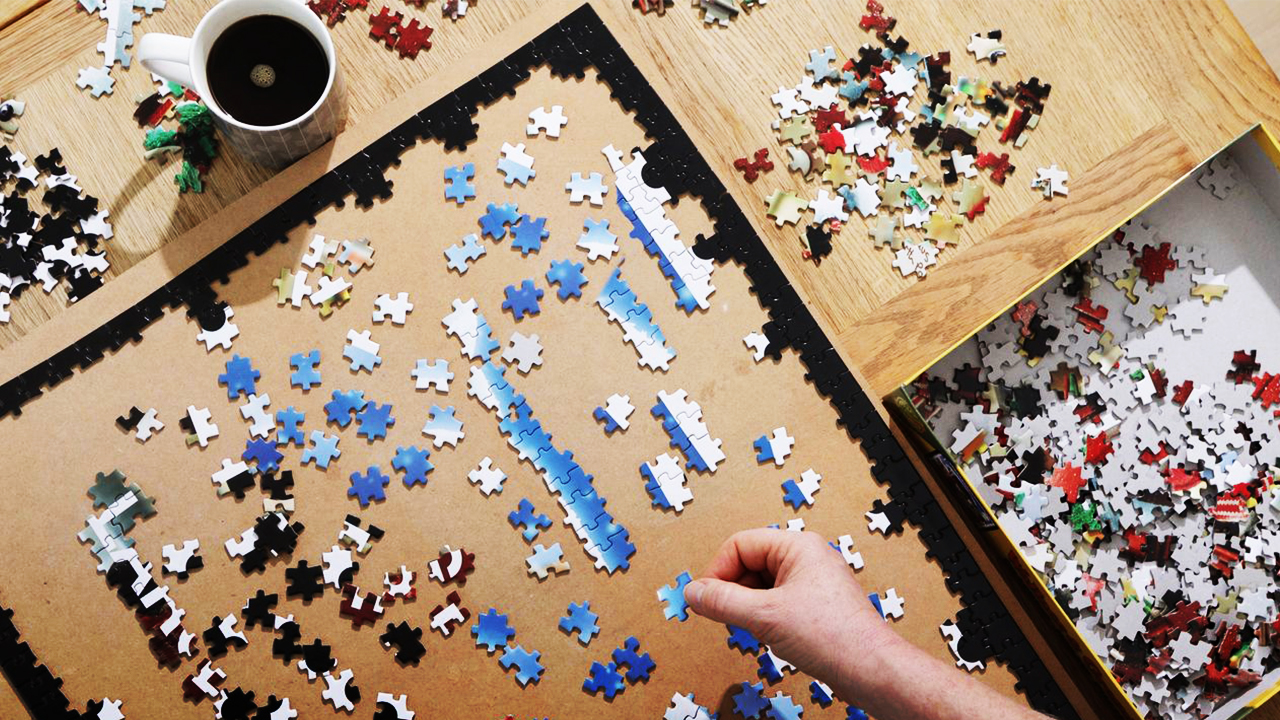
When you open a box with 1000 pieces, the first thing you should do is start sorting the pieces. This step saves you time and keeps you from feeling lost. Many puzzlers agree that sorting the pieces by edge, color, and pattern is one of the best tips for starting a puzzle. You can make small piles for border pieces, bright colors, or unique shapes. Experts say that sorting the pieces before you start helps you find matches faster and keeps you from searching randomly. If you skip this step, you might waste time and get frustrated.
Here’s a simple way to sort:
Find all the edge and corner pieces first.
Group pieces by color or pattern.
Make a pile for any pieces with special shapes.
Sorting the pieces gives you a clear plan and makes the puzzle less overwhelming.
Section by Section
Trying to finish a 1000 piece puzzle all at once can feel impossible. Instead, focus on one small area at a time. This method, called section-by-section assembly, helps you see progress and keeps you motivated. Studies show that people who use step-by-step assembly, even with help from tools, finish puzzles faster and with less stress. You can pick a spot with a bold color or a unique pattern and build out from there. Working on small sections makes the puzzle more manageable and helps you avoid getting stuck.
Choose a section with clear colors or lines.
Complete that area before moving to the next.
Connect finished sections as you go.
Staying Motivated
You might feel stuck or tired during a big puzzle. That’s normal! Take short breaks, stretch, or grab a snack. Celebrate small wins, like finishing the border or a tricky section. If you ever wonder how to do jigsaw puzzles without giving up, remember to set small goals and reward yourself. Keep the puzzle in a spot where you can see your progress. Invite friends or family to help if you want company.
The best tips for doing 1000 piece jigsaw puzzles always include patience and a positive attitude. Every piece you place brings you closer to the finish line!
You have learned why a 1000 piece jigsaw puzzle is hard. The number of pieces, hard pictures, and odd shapes all matter. Your attitude also makes a big difference. If you use good tips and know what makes puzzles tricky, you will have more fun.
Getting praise and feeling good at puzzles keeps you going. You can finish even the hardest puzzles if you stay motivated.
Helpful advice makes you feel braver and enjoy puzzles more than just getting prizes.
Keep trying, cheer for every small win, and remember—each piece you put down brings you closer to finishing! 🧩

Try Tucocoo Jigsaw Puzzles
FAQ
How long does it take to finish a 1000 piece puzzle?
It usually takes anywhere from a few hours to several days. You might finish faster if you sort pieces and work in sections. Take breaks to keep your mind fresh!
What should I do if I lose a piece?
Don’t panic! Check under the table, in the box, or on the floor. Sometimes pieces hide in sleeves or fall into small spaces. If you still can’t find it, some companies offer replacement pieces.
Can kids do 1000 piece puzzles?
Older kids and teens can enjoy these puzzles, especially with help. If you’re younger, try starting with puzzles that have fewer pieces. You’ll build skills and confidence as you go.
How do I keep my puzzle safe while working on it?
Use a puzzle mat or board.
Cover your puzzle when you’re not working.
Keep pets and food away from your puzzle area.
These steps help protect your hard work!