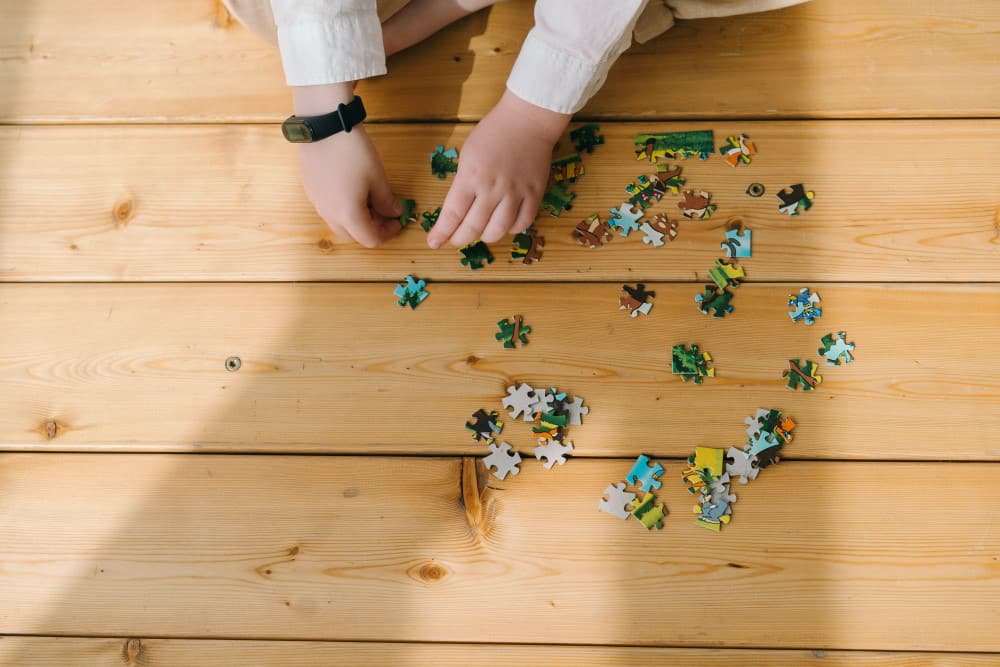
What Elements Create the Perfect Puzzle Image

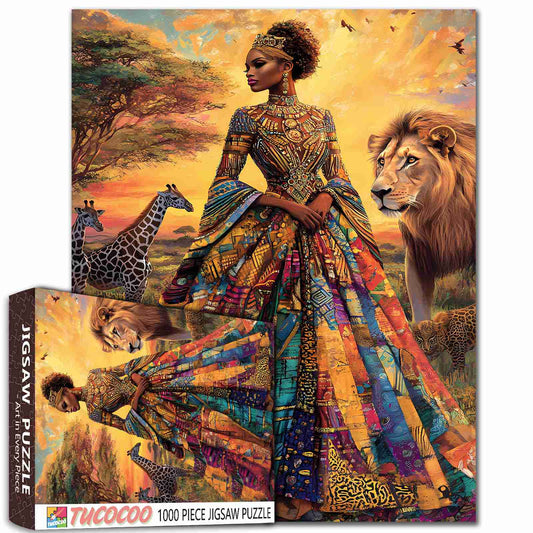
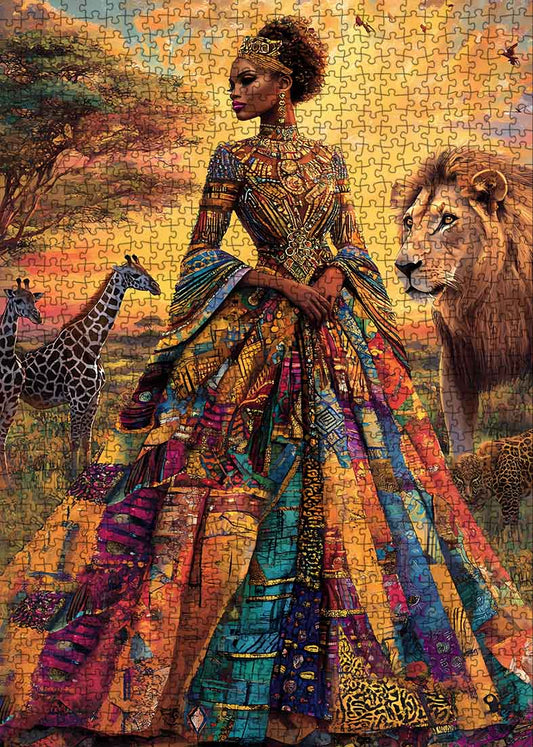
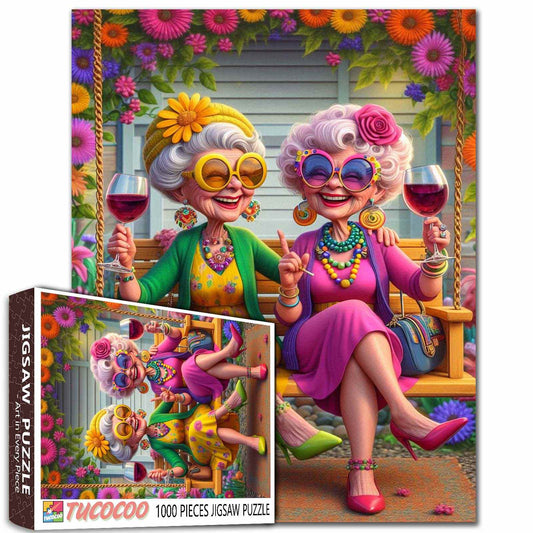
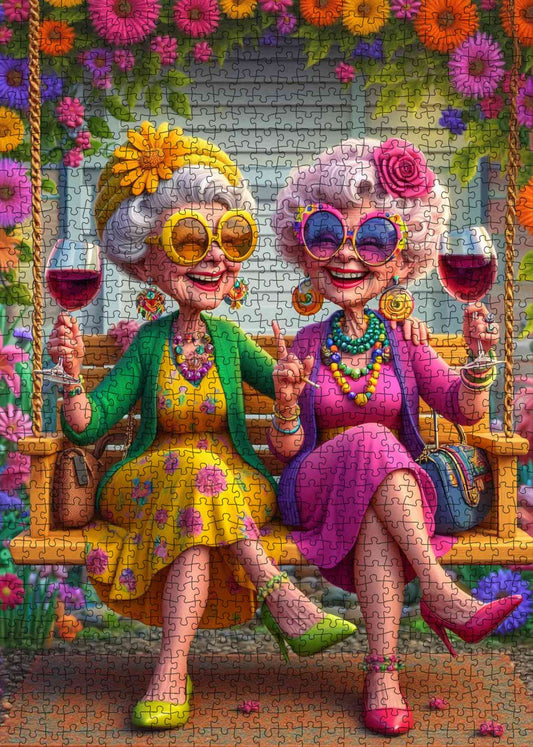
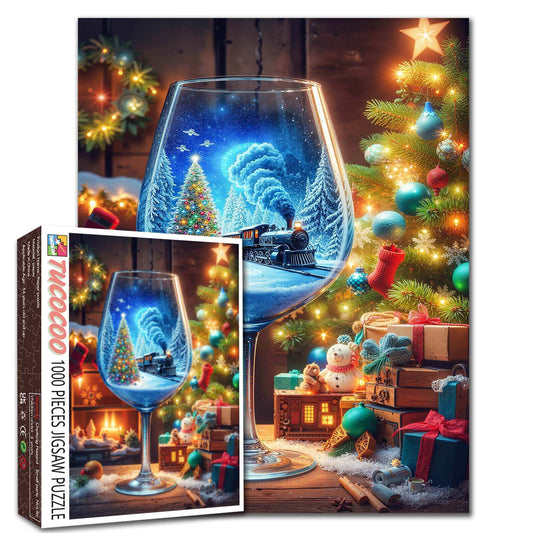
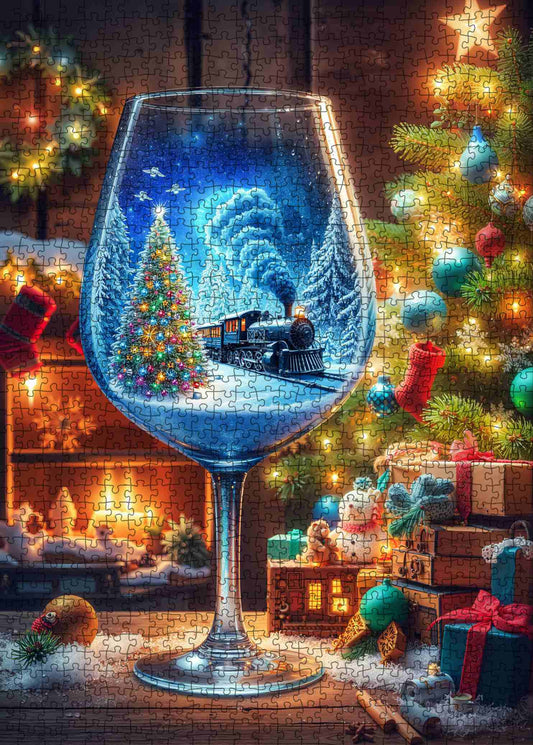
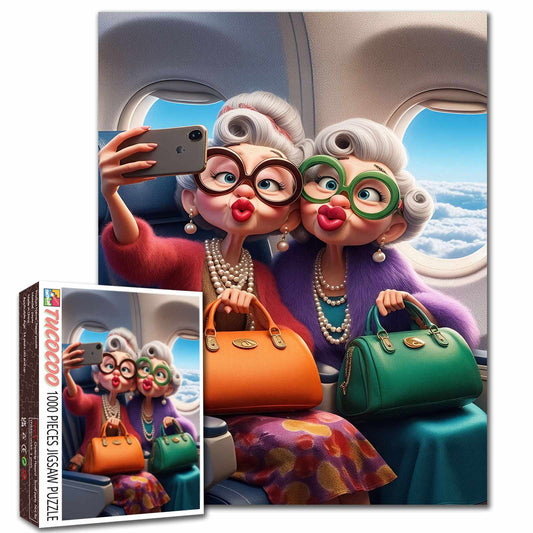
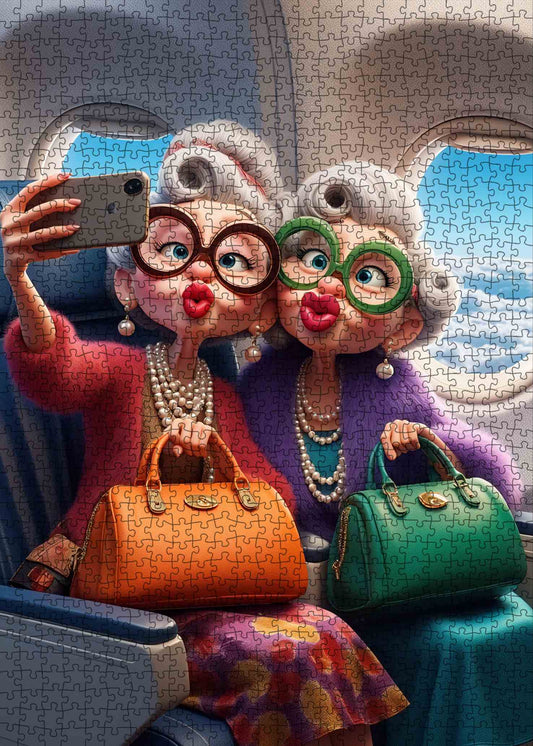
When searching for the best jigsaw puzzles, you want puzzle images that spark excitement and capture your interest. High-quality puzzle images use vibrant colors, strong contrast, and intricate details to make the experience both enjoyable and challenging. You’ll notice how the subject and its arrangement in the puzzle images help you piece together each section. The best jigsaw puzzles combine these elements perfectly, giving you a sense of satisfaction when you complete them. If you enjoy selecting puzzle artwork, be sure to choose puzzle images with the right design and features for an amazing puzzling experience.
Key Takeaways
Pick puzzle images that have bright colors and strong contrast. This helps you find pieces easily and makes the picture stand out. Look for patterns, textures, and special shapes in the image. These help your brain solve the puzzle and keep it fun and hard. Choose puzzles with just enough detail and clear sections. This keeps you interested and stops you from getting stuck. Pick puzzles with fun themes and clear main points. This makes the puzzle more fun and easier to begin. Think about custom or silly puzzles with your own photos or special piece shapes. These make the puzzle special and different.
Key Elements of Puzzle Images
Color
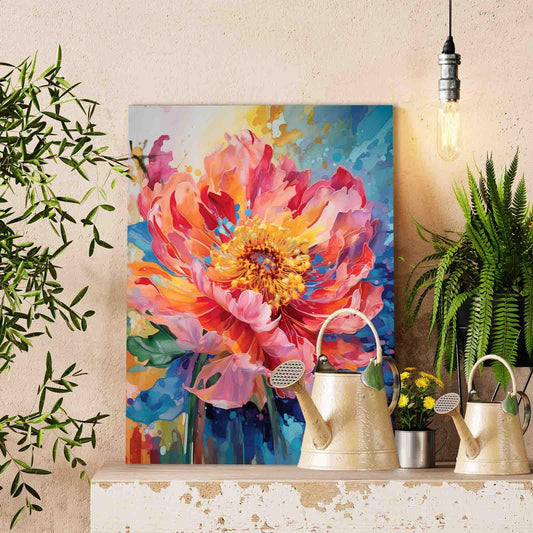
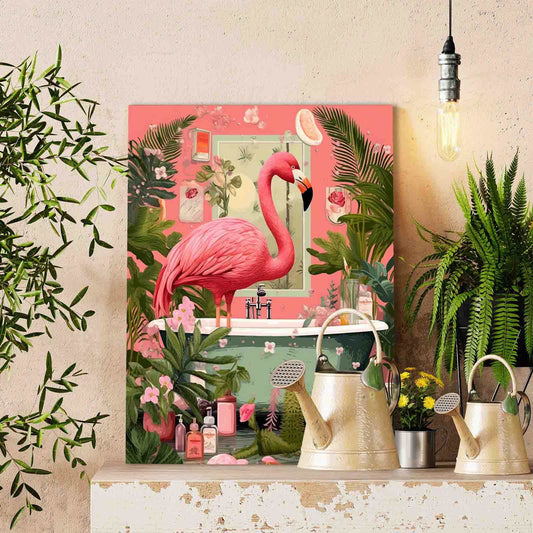
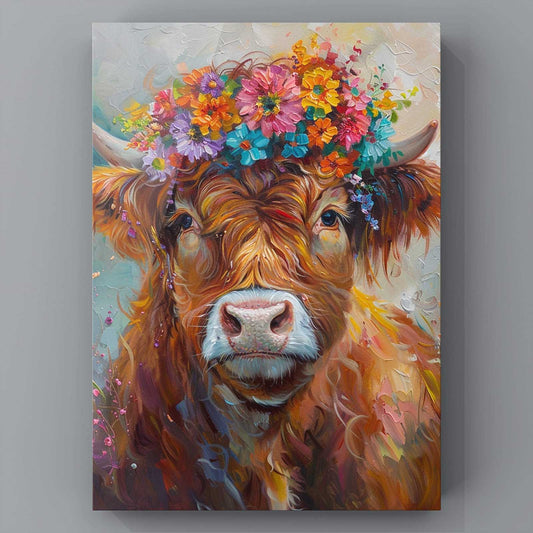
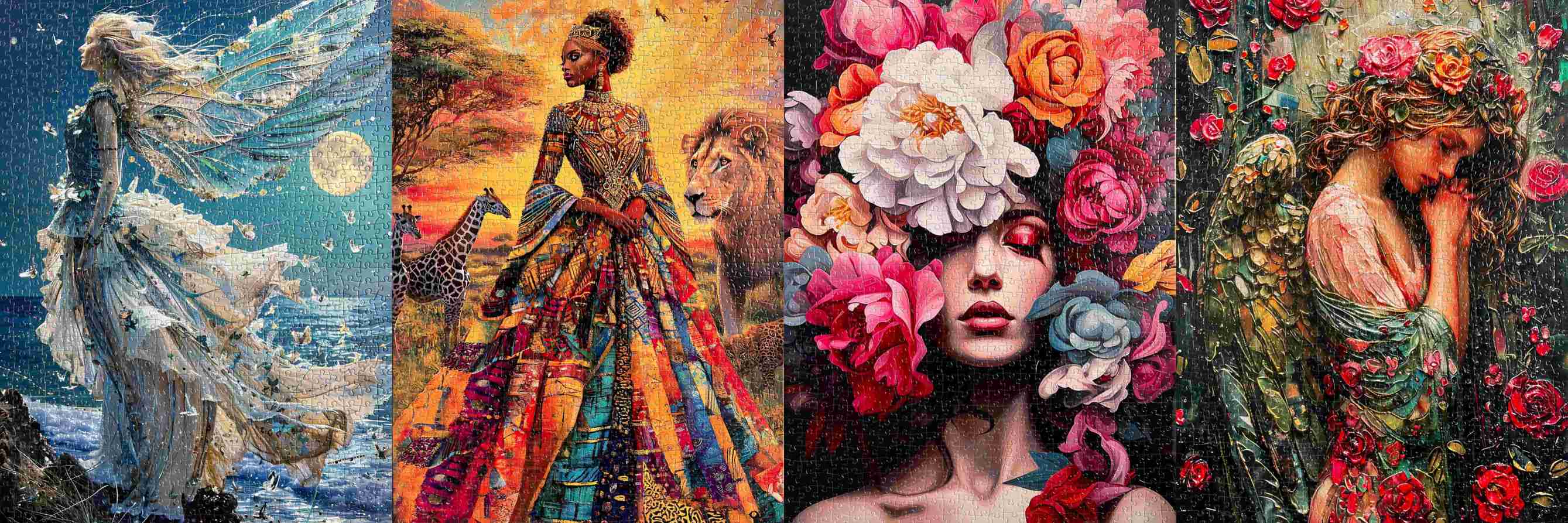
Color is the first thing you see in puzzle images. Bright colors help each piece look different. When you do a jigsaw, you want to find pieces fast. A good puzzle uses many colors to help you sort pieces. If a puzzle has only a few colors, it can feel boring or hard. But bright colors make puzzles more fun and exciting. Good puzzle images use color to make the picture stand out. When you pick a puzzle, choose one with clear, strong colors. This will make your puzzle time better and more fun.
Contrast
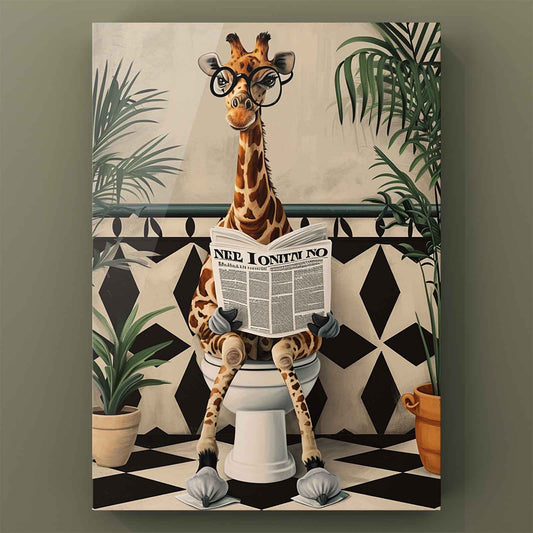
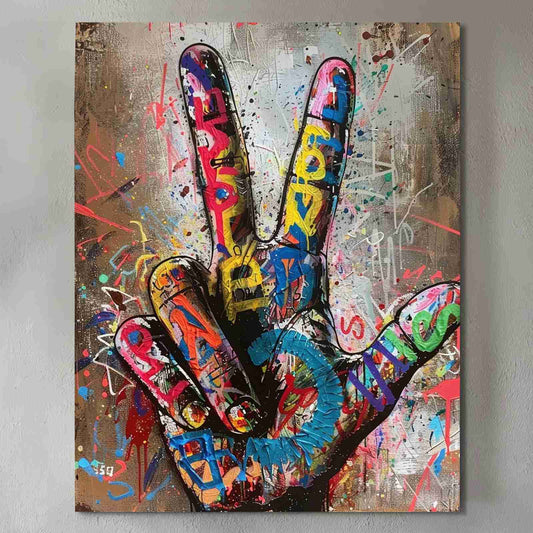
Contrast is just as important as color in puzzles. You need to see light and dark areas clearly. Strong contrast helps you tell pieces apart. If contrast is weak, it is hard to see where pieces go. Good puzzle art uses sharp lines and dark shadows for better contrast. This makes the image look better and helps you finish faster. When you pick a puzzle, check if the image has enough contrast. This small thing can really help your puzzle experience.
Tip: To keep puzzle images clear, make sure the contrast stays strong even when you zoom in. This helps you see the pieces better and keeps the quality high.
Patterns and Textures
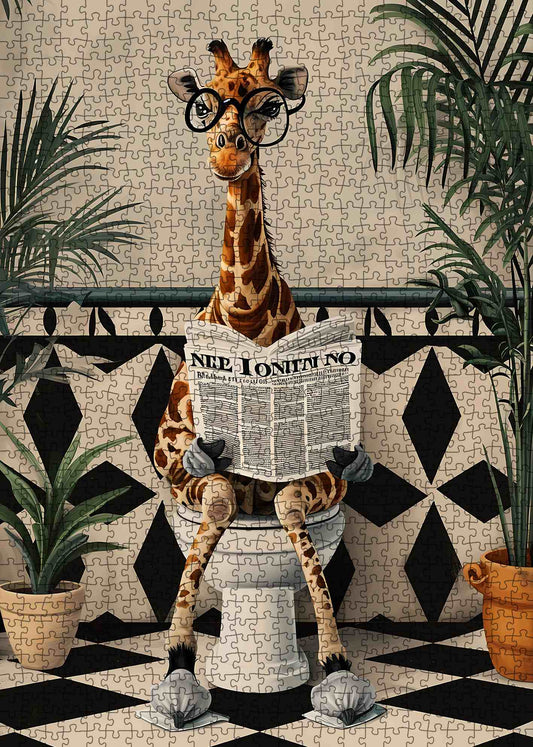
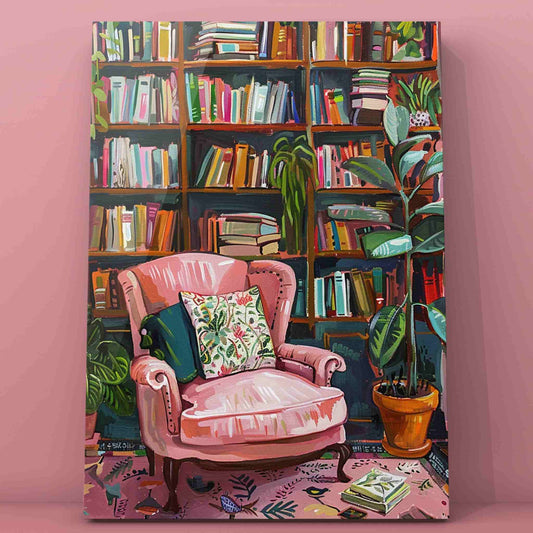
Patterns and textures make puzzles more fun and challenging. You might see shapes, stripes, or swirls in the picture. These help your brain find where pieces fit. Studies show your mind uses patterns and edges to guess missing parts. When you see a pattern, you can guess where a piece goes. This makes solving the puzzle feel good.
Touching textured pieces helps you remember where they go.
Seeing patterns helps you spot shapes and solve problems.
Mixing textures and patterns keeps puzzles interesting.
Real puzzles with textures help you learn better than digital ones.
When you look for a new puzzle, check for cool patterns or textures. These make the puzzle more fun and improve your puzzling time.
Shapes
Shapes are the main part of every puzzle. Special shapes make each piece unique. When you work with many shapes, you use your brain in new ways. Studies show puzzles with different shapes help you build spatial skills. You learn to turn pieces in your mind and see how they fit. This helps you solve problems and keeps your mind sharp.
Puzzles with fun shapes are more challenging. You might find pieces shaped like animals or letters. These special shapes make puzzles more fun and memorable. When you pick a puzzle, look for one with many shapes. This makes the picture clearer and the puzzle more rewarding.
Note: Puzzles with special shapes are harder but also easier to put together. You can tell where a piece goes by its outline. This makes the puzzle better and more satisfying.
When you use all these things—color, contrast, patterns, textures, and shapes—you get a great puzzle. Good puzzle images use these to make a strong picture and a fun challenge. Next time you buy a puzzle, look for these key things to get the best and most fun design.
Design for Challenge and Enjoyment

Level of Detail
When you choose a jigsaw puzzle, the amount of detail matters a lot. If there is too much detail, it can feel confusing. If there is not enough, the puzzle might seem dull. The best puzzles have just the right amount of detail. You want enough things in the picture to keep it fun. But you do not want so many that you get stuck. Many people like puzzles that are hard because they test your skills. But you still want to see that you are making progress. Studies show people care more about how a puzzle looks than what is in the picture. A good puzzle with balanced detail keeps you interested and happy the whole time.
Visual Clues
Visual clues are small hints in the picture that help you solve it. These clues can be color changes, clear lines, or special shapes. Good puzzles use these clues to help you find where pieces go. When you find a matching color or border, you feel proud. Research shows these clues help your brain figure out where pieces fit. This makes putting the puzzle together easier. You use your eyes and your mind to spot these clues. This makes solving the puzzle more fun. If you want a custom wood jigsaw puzzle, you can add special clues to make it more fun and different.
Tip: Pick jigsaw puzzles with strong visual clues. These clues make even hard puzzles feel more fun and rewarding.
Balance and Solvability
A great puzzle always has the right balance. You want a puzzle that is not too easy or too hard. A balanced puzzle does not have too much going on and the picture stays clear. This helps you focus and enjoy working on it. When a puzzle is the right level, you stay interested and do not quit. Designers use different things to make puzzles for all skill levels. They test and change the puzzle to make sure it is fun and not too hard. Some even use smart tools to match the puzzle to each person. This keeps every puzzle new and exciting for everyone.
Balanced puzzles use different things to keep you interested.
New ideas and special answers make each puzzle feel different.
Testing puzzles helps make sure they are fun and not too hard.
If you want a hard puzzle, look for one with a balanced design. The right mix of things makes every puzzle fun to solve.
Subject and Composition in Great Puzzle Art
Engaging Themes
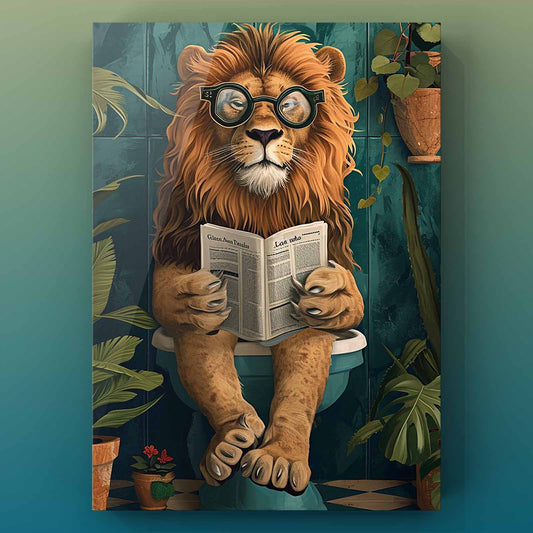
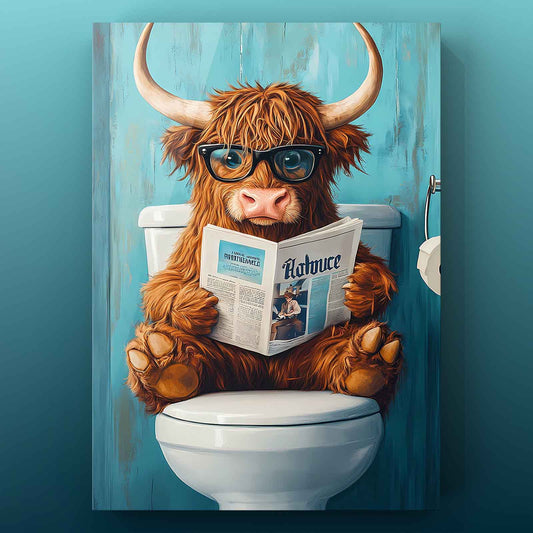
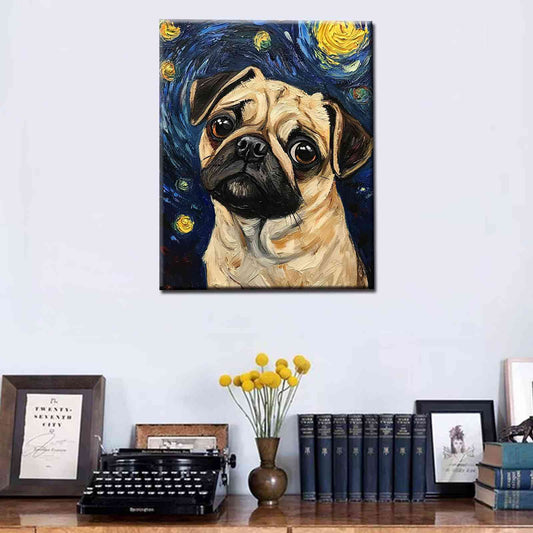
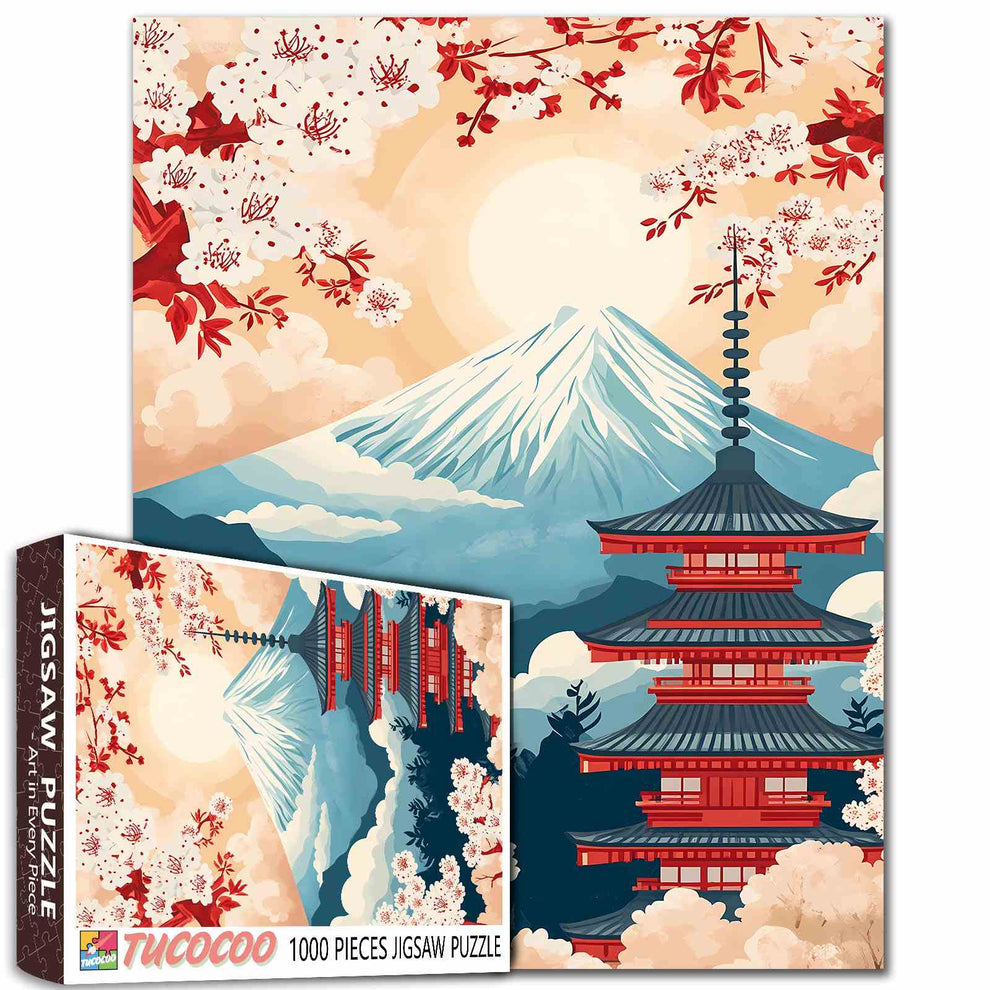
The themes you pick for a jigsaw puzzle really matter. Fun and creative themes make you want to do the puzzle again. You might like puzzles with animals, famous places, or food. These themes help you feel closer to the puzzle. They make the whole thing feel special to you. Many people like puzzles that match what they enjoy. This makes you more excited and makes the puzzle feel worth it.
Gamification in puzzle themes makes you curious and proud.
Puzzles with strong themes are fun to share with friends.
Themed puzzles can be gifts or keepsakes, so they feel special.
Brands use cool themes to help you remember them and buy more puzzles.
Museums and parks use themed puzzles to help you remember your visit.
When you pick themes you like, you enjoy the puzzle more. The right theme can turn a simple puzzle into a great memory.
Area Division
Area division is very important in jigsaw puzzle design. When a puzzle has clear sections, you can work on one part at a time. This makes the puzzle not too hard or too easy. You do not feel lost or stuck. Good area division helps you sort pieces and see how much you have done. Designers use shapes, colors, and lines to split the picture into easy parts.
Parameter / Condition |
Description |
Effectiveness |
|---|---|---|
Area Division in Jigsaw Design |
Clear sections using color, shape, or subject |
Helps you solve puzzles faster and keeps the difficulty balanced |
Visual Mapping |
Using patterns and lines to guide your eyes |
Makes it easier to find where each piece fits, lowering frustration |
Spatial Layout |
Arranging elements so each area stands out |
Lets you enjoy each theme and element without confusion |
When you do a puzzle with good area division, you feel sure of yourself. You can finish each part and enjoy the picture without feeling stuck.
Focal Points
Focal points are the spots in a puzzle that catch your eye first. These parts help you start and move through the puzzle. A strong focal point could be a bright color, a face, or something special. When you see a clear focal point, you know where to begin. This makes the puzzle easier and more fun.
Focal Point / Visual Metaphor |
How It Directs Engagement and Processing |
|
|---|---|---|
Pinkerton 3D |
3D puzzle piece animation |
Helps you focus and makes hard designs easier to understand |
ExxonMobil |
Animated character |
Helps you follow the story and learn new things |
Excella |
Pinball machine metaphor |
Shows how different parts work together, making the design more fun |
Justice |
Minimalist animation |
Uses simple pictures to help you see the main ideas |
When you pick a puzzle with a strong focal point, you enjoy the picture and do not feel lost. Focal points help you see the image and make the puzzle easier to finish.
Tip: Pick jigsaw puzzles with themes, area division, and focal points you like. These things make the puzzle more fun and help you with the hard parts.
Custom Personal Jigsaw Puzzle Elements
Unique Features
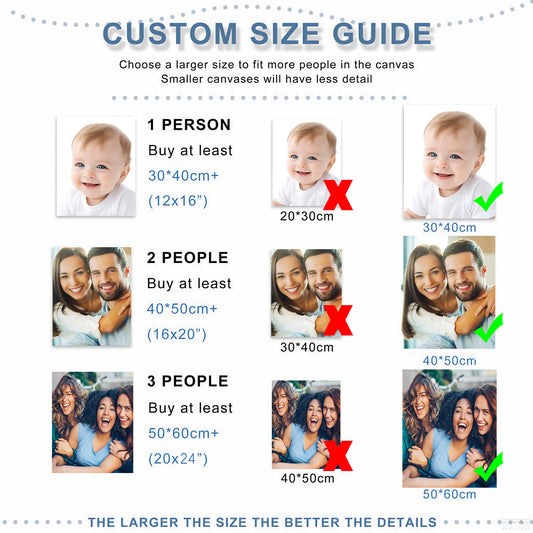
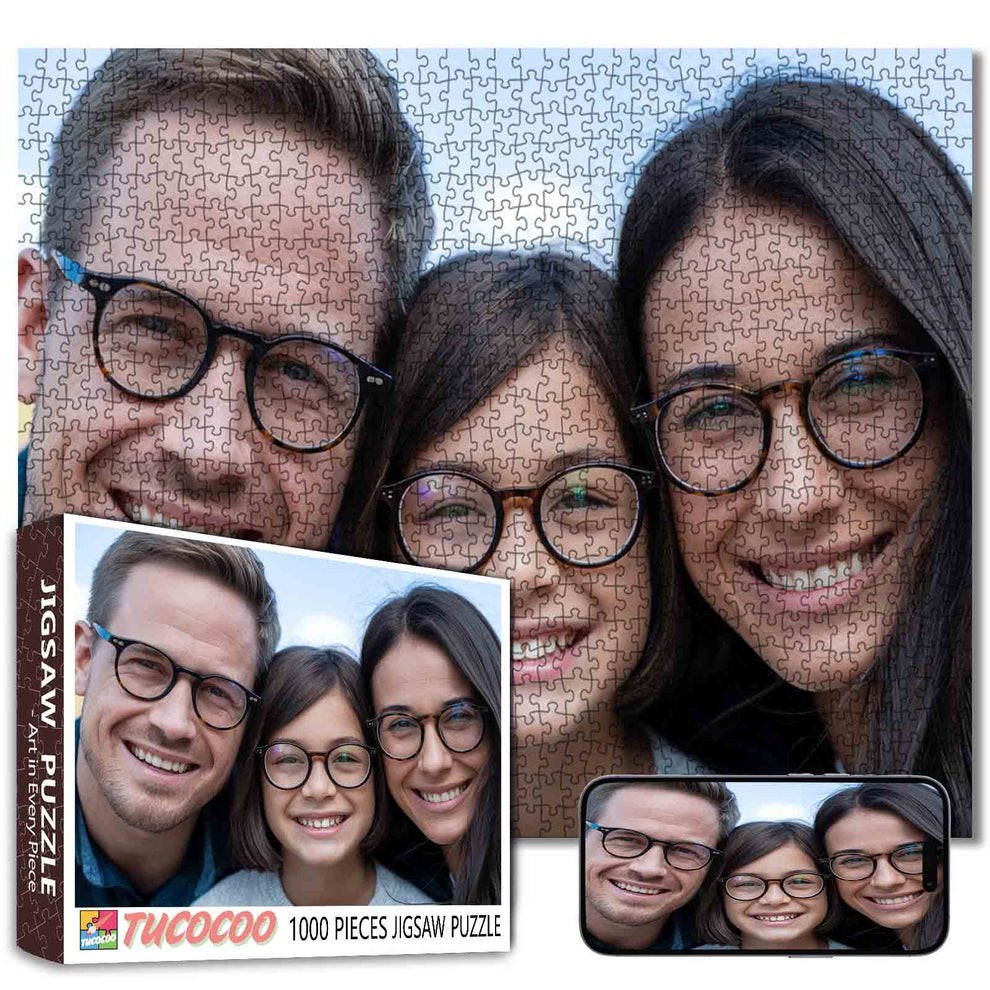
You can make your jigsaw puzzle special with unique features. Many people want puzzles that feel personal and important. More people now look for puzzles they can change to fit themselves. You might pick a favorite photo, a drawing, or a message. These things turn a normal puzzle into a memory you can touch.
When you add your own ideas, your puzzle stands out. Some companies let you put captions or quotes on the box or pieces. This makes each puzzle feel like it tells a story. You can pick words that mean a lot to you or your family. For example, you could use a wedding photo and add a sweet quote. Or you might use a baby picture with a loving message from mom. These choices make the puzzle more than a game. They turn it into something special and one-of-a-kind.
Tip: Try wooden puzzles with custom designs for a keepsake. The wood feels nice and the design is great for gifts or special days.
You can also find puzzles with fun interactive parts. Some use new tech like augmented reality. Others have cool shapes or textures. These ideas keep you interested and make you want to solve the puzzle again.
Custom puzzles help you connect with friends and family.
Adding your own story or photo makes the puzzle yours.
Whimsical Piece Design
Whimsical piece design adds extra fun to your puzzle. Instead of only normal shapes, you can pick pieces shaped like animals, hearts, or letters. These fun shapes make the puzzle more exciting. You might see a piece shaped like a cat or a star. This makes the puzzle feel like an adventure.
Check out this table to see how creative design can help:
Campaign Name |
Description |
Design Element |
Outcome/Impact |
|---|---|---|---|
Puzzle Peace Now |
Nonprofit using art by children with autism |
Custom artwork by children |
Raised funds and built community engagement |
California School |
Puzzles with student photos for fundraising |
Personalized student photos |
Emotional connection and successful fundraising |
These stories show how fun and personal design can make a puzzle special. When you use creative ideas, the puzzle becomes more than a hobby. You make memories and bring people together.
You can even design your own puzzle with shapes that match your hobbies. Maybe you love music—add a guitar-shaped piece. If you like travel, use a suitcase-shaped piece. These ideas make every puzzle different and fun.
Note: Whimsical design keeps you guessing and makes each puzzle feel new. You never know what fun shape you will find next!
You want the best jigsaw puzzles to feel fun, look amazing, and keep you thinking. Great jigsaw images use strong colors, bold contrast, and clear resolution. Themes matter, too—pick ones you love! Always check the image quality and make sure the resolution is high. Try this quick checklist:
Choose themes with bold colors and high contrast.
Look for balanced detail and clear area division.
Make sure the resolution and quality stay sharp.
Pick jigsaw puzzles with unique shapes and personal touches.
Studies show using a checklist helps you solve puzzles faster and enjoy them more. When you focus on quality, themes, and resolution, you get the best jigsaw puzzles every time.
Tucocoo Jigsaw Puzzles
FAQ
What makes a puzzle image easier to solve?
You want bright colors, strong contrast, and clear sections. These features help you spot where pieces fit. Patterns and unique shapes also make it easier for you to match pieces quickly.
Can I use my own photo for a custom puzzle?
Yes! You can upload your favorite photo to many puzzle websites. They turn your picture into a unique jigsaw puzzle. This makes a great gift or keepsake for you or your family.
How do I pick the right puzzle difficulty?
Look at the number of pieces, the level of detail, and the image style. If you want a challenge, choose more pieces and complex designs. For a quick win, pick fewer pieces and bold, simple images.
Why do whimsical shapes make puzzles more fun?
Whimsical shapes surprise you and keep you guessing. You might find a piece shaped like a cat or a heart. These special pieces add excitement and make your puzzle feel like an adventure.
What should I check before buying a puzzle?
Tip:
Check the image quality, color brightness, and piece shape variety. Make sure the puzzle matches your skill level. If you want something special, look for custom or wooden puzzles.