
How to Make Your Graffiti Stand Out with the Right Background
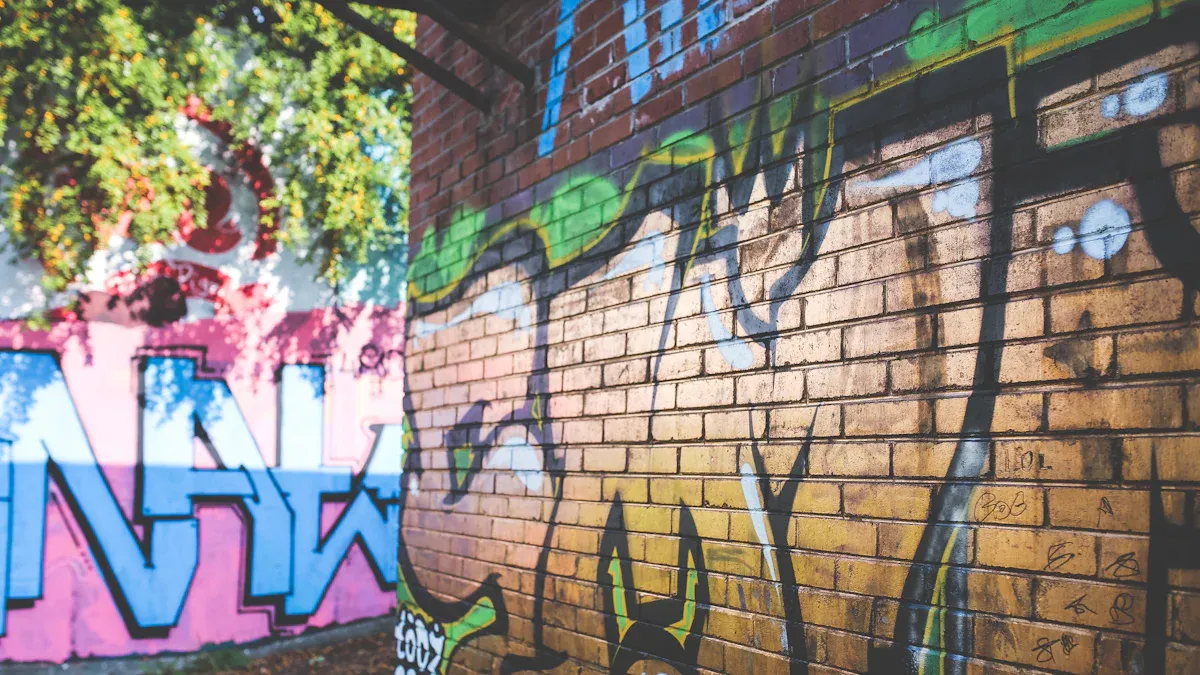
When it comes to graffiti, the background is just as important as the artwork itself. It sets the stage for your design and can make or break its impact. A well-chosen graffiti background doesn’t just enhance your style—it helps your work pop and grabs attention. Think of it like creating a tutorial for the eyes, guiding viewers straight to your message. With the right background, your graffiti can go from good to unforgettable.
Key Takeaways
Choose a background that matches your graffiti's message. A fitting background enhances your art and helps convey your theme.
Consider your audience and location. Knowing who will see your graffiti and where it will be displayed can guide your design choices.
Use bright and contrasting colors for your background. This makes your graffiti more visible and impactful, ensuring it stands out.
Test your design on small areas before painting the whole wall. This helps you see how colors and styles work with the background.
Stay open to feedback and make adjustments. Listening to others can improve your graffiti and help it connect with viewers.
Understand the Purpose of Your Graffiti Project

Before you start painting, think about why you're creating graffiti. Every graffiti piece tells a story. Knowing your purpose helps you pick the right background, colors, and design. Let’s break it into simple steps.
Decide the Message or Theme You Want to Share
What do you want people to feel or think when they see your graffiti? Is it a strong message, a tribute, or just something fun? Deciding your theme is the first step to choosing a background that fits your art. For example, if your graffiti is about hope, use a bright, clean background to show that feeling. If it’s about tough city life, a rough wall might work better.
Your background is part of the story. It’s not just a blank space—it sets the mood. When your background matches your theme, your graffiti becomes more than art. It starts a conversation.
Think About the Audience and Location
Who will see your graffiti, and where will it be? These things matter a lot. They help you pick the best background.
Here are some tips to help:
Know your audience: Learn about the people in the area. Are they students, families, or workers? Make your design fit their likes.
Choose busy spots: Pick places with lots of people walking by. Streets, parks, or community areas are great choices.
Match the message to the place: If your graffiti is about music, put it near music spots or hangouts.
Respect local culture: Pick places where graffiti is seen as art. This shows respect and helps people accept your work.
Work with property owners: If you can, ask for permission. This keeps it legal and builds good relationships.
By thinking about these things, your graffiti will connect with people and fit its surroundings.
Match the Background to Your Goals
Your background should match your graffiti’s purpose. They should work together. When they do, your message becomes stronger. For example, Banksy uses stencils with sharp contrasts to make his messages stand out.
You can also use your background to connect with the community. A mural showing local history or culture can make people proud. If your goal is to talk about social issues, the right background can make your message louder and inspire change.
Your graffiti background isn’t just about looking good. It’s about sharing a message. When it matches your goals, your art speaks louder.
Select the Right Graffiti Background Colors
Picking the right colors for your graffiti background is important. Good colors make your design better and help your message stand out. Here are some tips to choose the best colors for your graffiti.
Use Bright Colors for Better Visibility
Your graffiti should be easy to see. Bright colors like red, yellow, and blue grab attention. These colors stand out on most walls and make your art noticeable.
If the wall is old or rough, bright colors can hide flaws. They make the surface look smooth and neat. Always test your colors on a small spot first. This shows how they’ll look when painted and ensures they’re bold enough.
Try Contrasting Colors for Impact
Using contrast makes your graffiti pop. Pair light colors with dark outlines or the opposite. For example, orange with black creates a bold look. This method works well for eye-catching designs.
Mix and match colors to find what looks best. Sketch or use a digital tool to test ideas before painting. This saves time and materials while helping you decide.
Contrast isn’t just about color. You can also mix textures. A shiny background with matte graffiti adds depth. Trying these tricks can make your graffiti stand out even more.
Keep Color Schemes Simple
Using too many colors can make your graffiti look messy. Stick to three to five colors for a clean design. This keeps your art focused and easy to enjoy.
Too many clashing colors can distract from your message. Instead, pick colors that go well together. For example, soft pastel backgrounds look great with bold graffiti colors. This balance keeps your art the main focus.
Step back and check your work from far away. Does it look too crowded? Are some colors too strong? Adjust to make your design balanced.
Pro Tip: Use a color wheel to find matching colors. It’s an easy way to create balanced and cool graffiti designs.
By focusing on bright colors, contrast, and simple schemes, your graffiti will look amazing and unforgettable.
Check the Texture and Surface of the Background
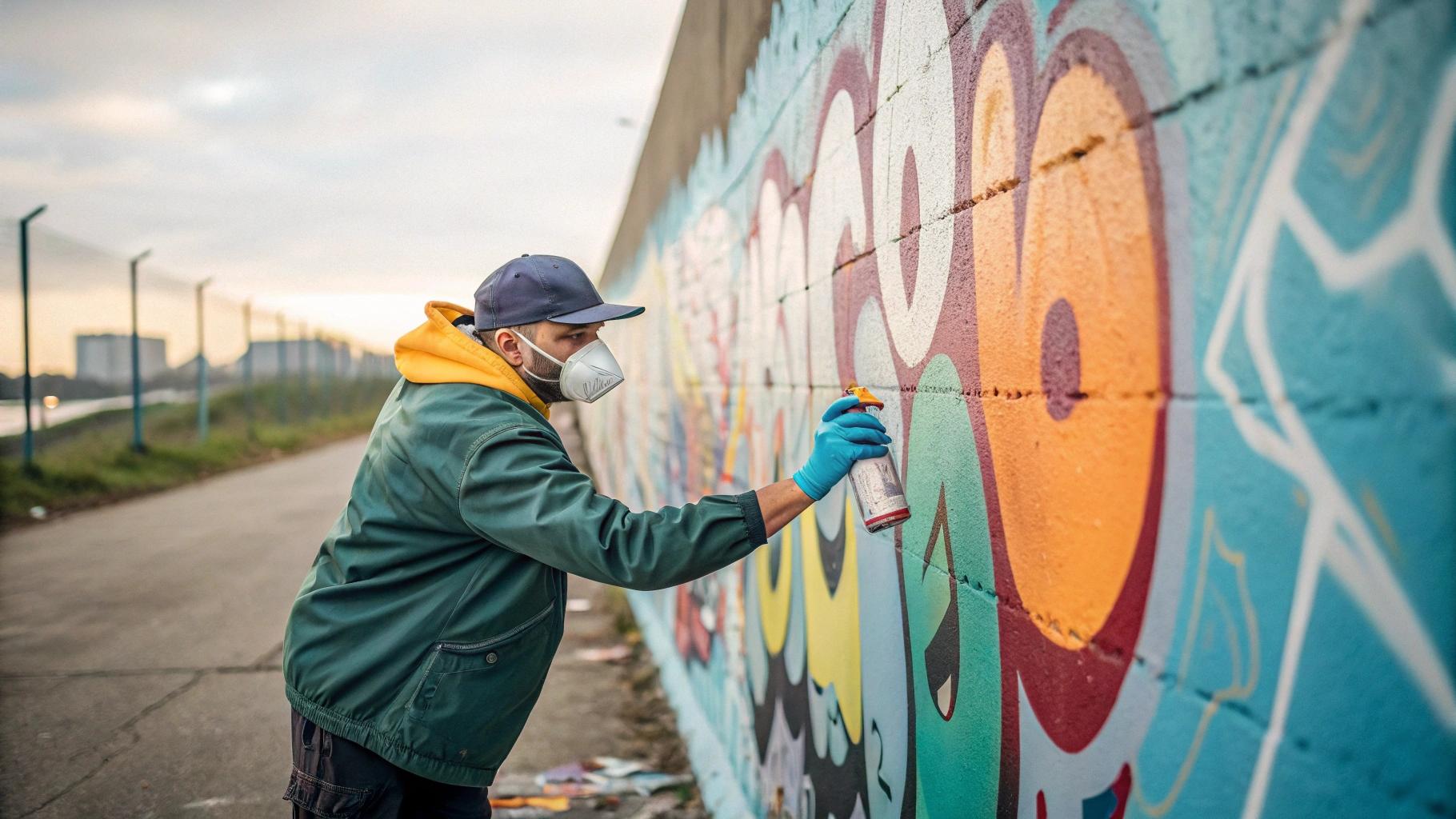
The texture and surface of your graffiti background are very important. A smooth and prepared surface makes your graffiti look neat and last longer. Let’s explore how to check and prepare the best surface for your art.
Start with a Clean and Ready Surface
A clean surface is key to making your graffiti stand out. Dirt or old paint can ruin how your colors look and stick. A clean wall helps your graffiti shine and stay longer.
Clean walls are easier to paint on and look better.
Use barrier coatings to protect the wall and make cleaning easier.
Sacrificial coatings can also help. These are removed with graffiti, keeping the wall safe.
Think of this as building a strong base for your art. A clean wall is like a fresh canvas, ready for your ideas.
Test the Surface for Strength and Durability
Not all walls are the same. Testing the surface before painting avoids problems. Weather and materials can change how long your graffiti lasts.
Testing Method |
What It Does |
Why It Matters |
|---|---|---|
Shows how the surface handles stress quickly. |
Predicts how it will hold up over time. |
|
Real-Life Testing |
Checks the surface in real conditions for a long time. |
Confirms fast test results in real life. |
Matching Real Results |
Makes sure tests match real-world performance. |
Ensures graffiti stays strong and vibrant. |
Testing helps your graffiti stay bright and strong, even in tough places.
Think About How Texture Changes Your Graffiti
The texture of the wall affects how your graffiti looks. Smooth walls make it easy to draw clean lines and details. Rough walls, like brick, add style but can change your design.
If the wall is rough, change your style. Use thick lines and bold colors to make your graffiti pop. Always test a small area first to see how the texture works with your design.
Pro Tip: Treat the wall like a screen for your ideas. The smoother it is, the clearer your graffiti will look.
By checking the texture and surface of your background, you’ll be ready to create amazing art. A little planning makes a big difference in how your graffiti turns out.
Adapt to the Location and Environment
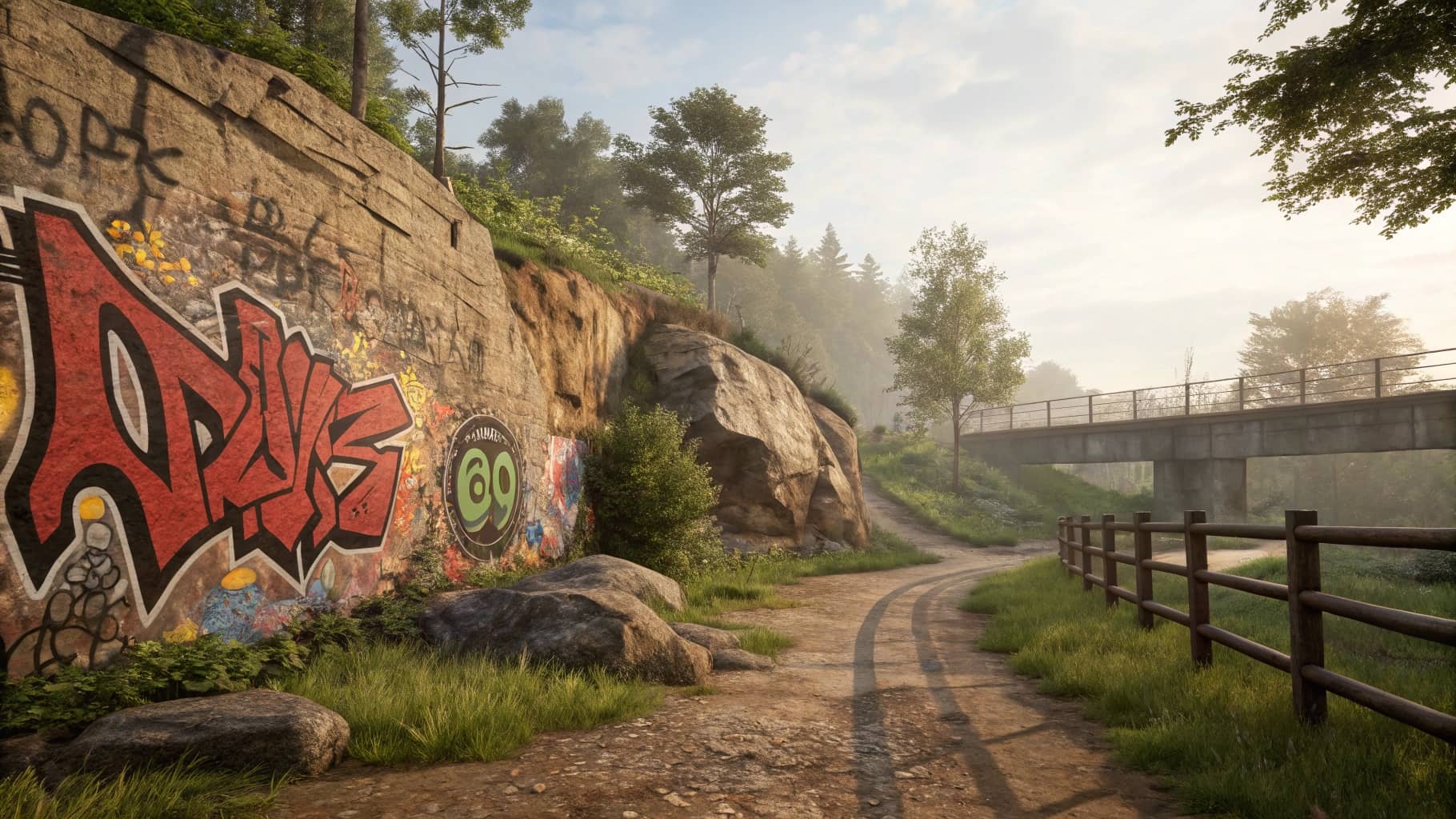
Match the Background to Urban or Natural Settings
The setting of your graffiti plays a huge role in how it’s perceived. Urban areas often have walls, bridges, and alleys that naturally complement graffiti. These spots give your art an edgy, raw vibe that fits the energy of the city. On the other hand, natural settings like parks or rural areas can create a unique contrast. Imagine bold graffiti on a rock wall or a wooden fence—it’s unexpected and eye-catching.
When you choose a location, think about how the background interacts with your design. Urban art thrives in places where it feels like part of the environment. In natural settings, your graffiti can stand out by blending bold colors with earthy tones. Always adapt your style to match the surroundings for the best results.
Account for Lighting, Shadows, and Surrounding Elements
Lighting can make or break your graffiti. Before you start, check how sunlight or artificial lights hit the surface. Shadows can add depth to your design, but they can also hide important details. If you’re working outdoors, consider how the light changes throughout the day. A wall that looks perfect in the morning might be in complete shadow by afternoon.
Surrounding elements like trees, signs, or other graffiti also matter. These can either enhance your work or distract from it. Use them to frame your graffiti or as part of your design. For example, a tree branch could become part of your artwork if you plan it right. Always think of the bigger picture when setting up your graffiti background.
Ensure the Background Stands Out in Crowded or Busy Areas
In busy areas, your graffiti needs to fight for attention. Bright colors and bold outlines can help your work stand out. Keep your design simple and impactful so it doesn’t get lost in the chaos. Avoid overly detailed backgrounds that might blend into the noise of the surroundings.
If the area is full of other graffiti, find a way to make yours unique. Use different techniques or supplies to create textures that others haven’t tried. A clean, well-thought-out setup will always grab more attention than a rushed piece. Remember, your goal is to make people stop and look, even in the busiest spots.
Pro Tip: Take a quick walk around the area before you start. This helps you understand the environment and plan your graffiti accordingly.
Try and Improve Your Graffiti Background
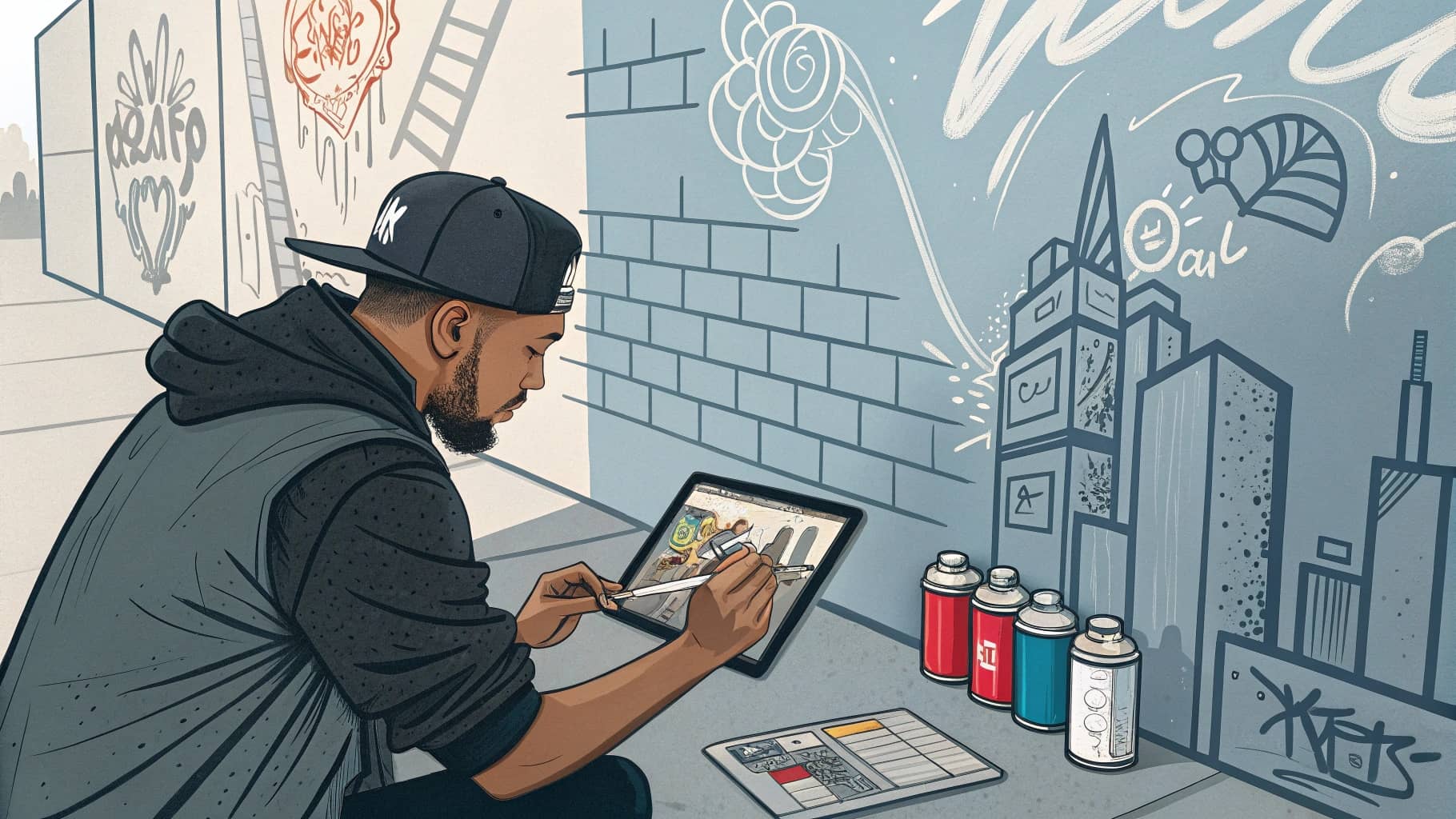
Use Sketches or Apps to Plan Your Design
Before painting, plan your graffiti ideas first. Sketches or digital tools help you test designs. They let you try styles and backgrounds without painting the wall. Think of it as practice for your creativity.
Apps like Canva, Procreate, or Sketchbook are great for planning. These tools let you play with colors, textures, and spray techniques. For example, Procreate allows layering to see how your graffiti fits in real spaces. Sharing designs for feedback is also easy with these apps.
Planning saves time and materials. It helps you find problems and fix them before painting. Whether you're creating city art or trying new styles, sketches make your ideas better.
Test Small Areas Before Painting the Whole Wall
Painting a big graffiti piece is exciting but risky. Testing small areas first is safer and smarter. It shows how your graffiti works with the background. You can also try new spray techniques without ruining the whole design.
Start by painting a small corner of the wall. Check how colors look in sunlight or shade. If the wall is rough, see how lines and shapes appear. This step helps you adjust your tools and style to fit the surface.
Testing is like improving through practice. For example, inventors test many versions before success. Similarly, testing small parts of your graffiti helps you avoid mistakes and improve your work.
Listen to Feedback and Make Changes if Needed
Graffiti is your art, but it’s also for others to see. Listen to feedback from friends, artists, or people passing by. Their ideas can help you make your graffiti even better.
After painting a section, step back and look at it. Does it grab attention? Does it fit the area? If something feels wrong, change it. Adjust colors, styles, or techniques to match your vision.
Improving your graffiti is part of the journey. Even famous street art changes over time. By staying open to advice, you’ll create graffiti that connects with people.
Tips on How to Start Doing Graffiti and Improve
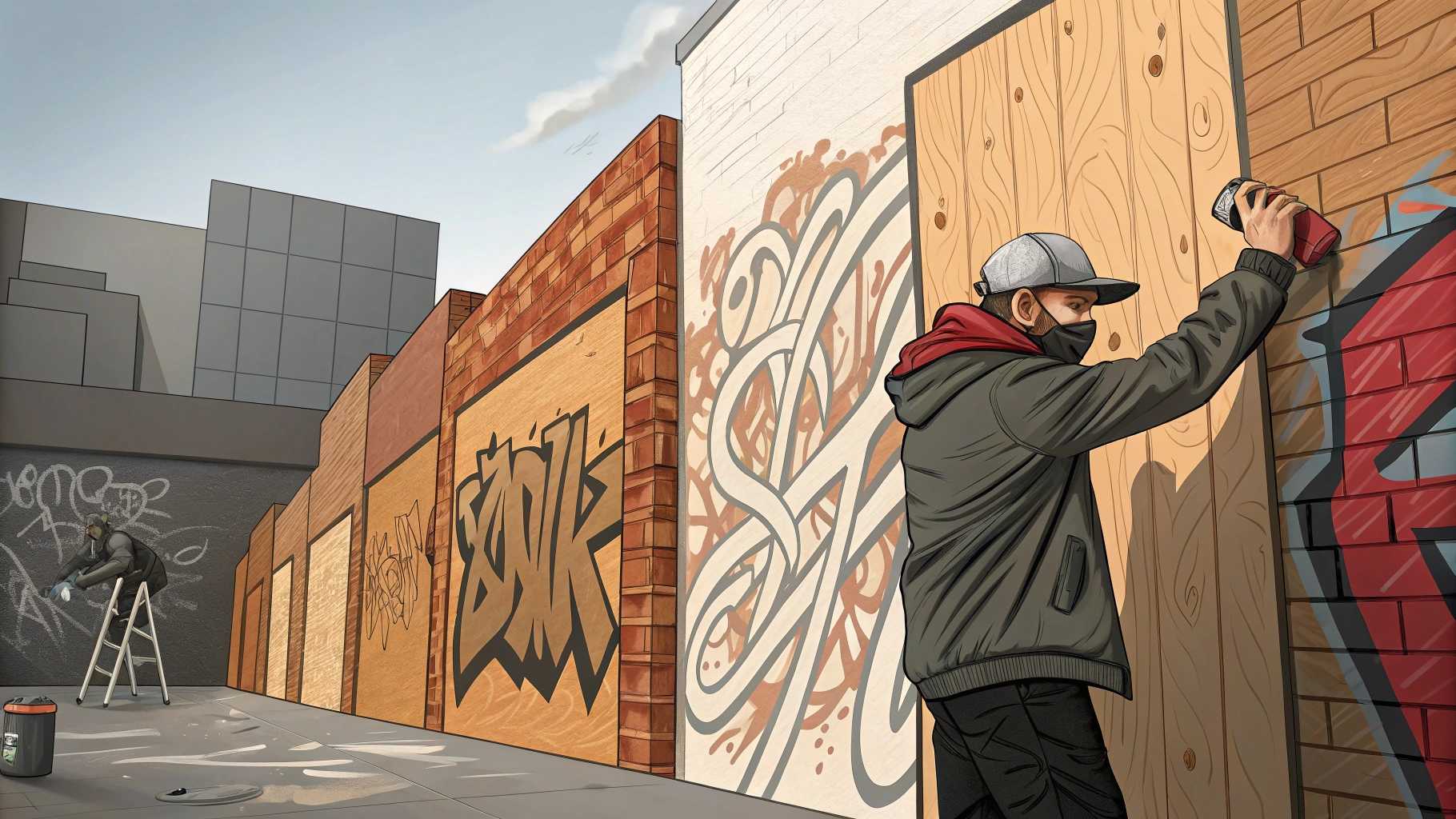
Try Different Backgrounds to See Their Effect
If you want to start graffiti, try different backgrounds first. Each surface is unique and changes how your graffiti looks. Practice on smooth walls, rough bricks, or wooden boards. You’ll see how textures affect your lines and colors.
For example, smooth walls are great for sharp designs. Rough surfaces need thicker lines and bold sprays. Practicing on various backgrounds helps you adjust your style to fit each surface. This is an important skill for every graffiti artist.
Pro Tip: Use old cardboard or big paper sheets to practice. They’re cheap and let you test ideas before painting on walls.
Learn from Great Graffiti Artists and Their Choices
Watching skilled graffiti artists can help you improve fast. See how they pick backgrounds and match their styles to locations. Many choose busy urban spots like bridges or alleys to make their art stand out. Others use nature to create cool contrasts with their designs.
Here’s what you can learn from top graffiti artists:
People like graffiti more when it’s well-made and meaningful.
Art in visible places gets noticed and appreciated more.
Poor-quality or offensive graffiti is often reported, especially in nicer areas (Good Graffiti, Bad Graffiti? A New Approach to an Old Problem, 2008).
By studying these tips, you’ll learn how to make graffiti that connects with people.
Test Styles to Find What Fits You Best
Graffiti is about being creative, so try different styles. From simple tags to big murals, there’s a lot to explore. Each style works better on certain surfaces. For example, colorful murals look great on large, smooth walls. Small tags fit better on rougher, smaller spaces.
Aspect |
Description |
|---|---|
Historical Significance |
Graffiti started long ago, sharing messages and marking spaces. |
Evolution of Styles |
It has grown into many forms, from tags to detailed murals. |
Trying new styles helps you find your own artistic voice. Watch graffiti videos or follow tutorials to learn new tricks. Experiment with spray paints, markers, or stencils. The more you try, the closer you’ll get to discovering your best style.
Callout: Think of each graffiti piece as a lesson. Every try teaches you something new!
Picking the right background makes your graffiti even better. It’s not only about colors or textures—it’s about making art that speaks to people. Think about why you’re creating, where it will go, and how it fits the area. This makes your graffiti more meaningful. Don’t be scared to try new things. Test ideas, watch tutorials, and improve your style. Whether you’re painting in the city or a surprising spot, the right background makes your graffiti stand out. Grab your supplies and start your amazing artwork today!
Tucocoo Graffiti Wall Art
Decor Your Home with Tucocoo!
FAQ
What’s the best location for graffiti?
The best location depends on your message and audience. Urban areas like walls, bridges, or alleys often work well. A good location should have high visibility and complement your design. Always check if the spot allows graffiti to avoid legal issues.
How do I choose the right graffiti supplies?
Start with quality spray paints, caps, and markers. Choose supplies based on your style and surface. For example, smooth walls need fine caps for details, while rough textures require broader sprays. Experiment with different tools to find what works best for you.
Can I practice graffiti without painting on walls?
Yes! Use large sheets of paper, cardboard, or even digital tools to practice. These options let you refine your skills without committing to a permanent surface. Practicing this way also helps you test designs before painting in a real location.
How do I make my graffiti stand out in a crowded area?
Use bold colors, clean outlines, and simple designs. Avoid overly detailed backgrounds that might blend into the surroundings. A good location with proper lighting can also help your graffiti grab attention in busy spots.
What’s the best way to prepare a wall for graffiti?
Clean the surface to remove dirt or old paint. Use a primer if needed to create a smooth base. This ensures your graffiti looks vibrant and lasts longer. Testing a small section first can help you see how the surface reacts to your supplies.