9 Iconic Landscape Paintings That Changed Art Forever
Have you ever wondered why some landscapes stick in your mind long after you see them? When you look at famous landscape paintings, you see more than just scenery. You see a new way to view the world. Each landscape painting brings something unique, whether it’s bold color, light, or a fresh perspective. Across regions and history, famous landscape paintings have pushed the boundaries of art. These paintings show how landscape can inspire, challenge, and even change you.
Key Takeaways
Iconic landscape paintings help us see nature in new ways. They use light, color, and feelings to tell strong stories. Artists like Constable, Monet, and Van Gogh changed art. They focused on real places and their own feelings. Their new styles inspired many other artists. Many famous landscapes mix culture and history together. This helps people connect with a place and its people. These paintings ask you to slow down and think. You can explore your feelings and see beauty in simple scenes. Nature’s power is also shown in these works. Studying these paintings shows how art changes over time. It also helps you find your own favorite landscapes.
1.The Hay Wain
Overview
When you look at The Hay Wain, you step into the English countryside of the early 1800s. John Constable painted this scene with a deep love for his homeland. You see a peaceful river, a wooden cart, and farmers working under a wide sky. The painting shows rural Suffolk, a place close to Constable’s heart. He wanted to capture the landscape in a pure and honest way. You notice the soft light, the gentle movement of water, and the lush green fields. Constable’s brushwork brings the scene to life. Every detail, from the trees to the clouds, feels real and full of energy. The Hay Wain stands out because it shows everyday life, not grand myths or legends. You feel the calm and beauty of nature, even as the world outside the painting changes.
Significance in Famous Landscape Paintings
The Hay Wain changed how people saw landscape painting. Before Constable, many artists focused on dramatic stories or classical themes. Constable chose to paint what he saw and loved. He used light and color to create depth and atmosphere. His style felt fresh and true. Art lovers and critics noticed this new approach. At the Paris Salon in 1824, the painting won a gold medal from King Charles X of France. This honor showed that Constable’s work mattered beyond England.
The Hay Wain inspired artists across Europe. You can see its influence in the rise of Impressionism.
Constable’s focus on real places and rural life made the English countryside famous. By the late 1800s, people traveled to see “Constable Country.”
The painting’s honest view of nature and rural labor touched many during the Industrial Revolution.
Today, The Hay Wain remains one of the most famous landscape paintings. It invites you to slow down and see the beauty in everyday scenes.
2.Wanderer above the Sea of Fog
Overview
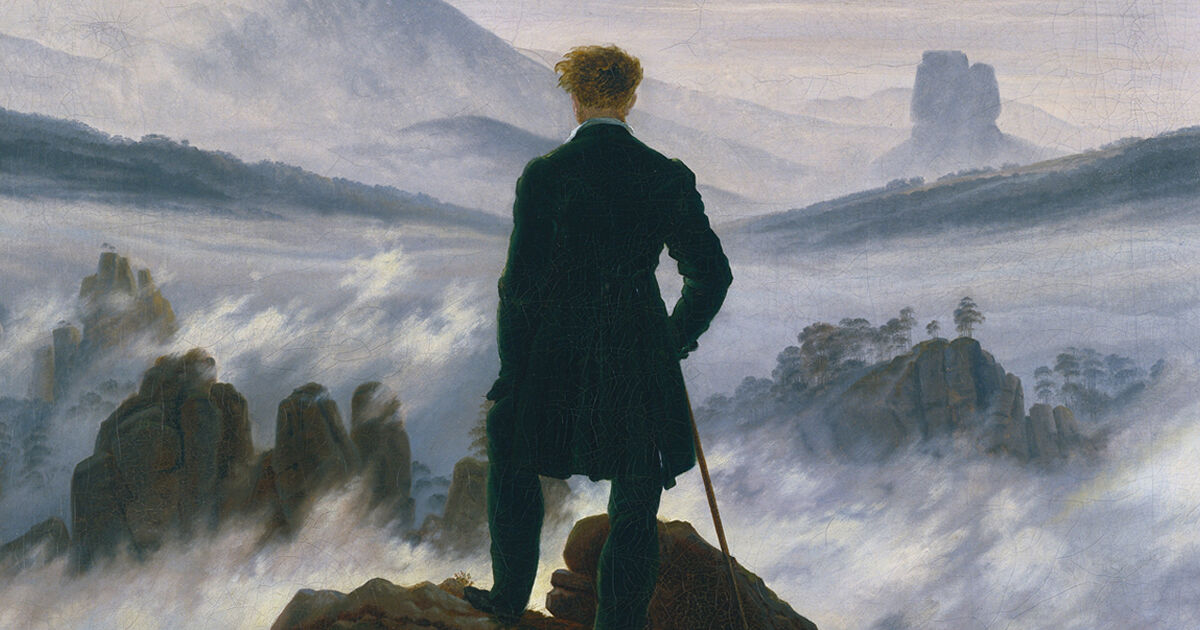
Imagine standing on a rocky peak, looking out over a sea of mist. That’s what you see in Caspar David Friedrich’s "Wanderer above the Sea of Fog." This painting shows a lone figure with his back to you, gazing at a mysterious landscape. The man stands tall, his coat blowing in the wind, surrounded by swirling fog and distant mountains. You feel like you are right there with him, sharing his sense of wonder and curiosity.
Friedrich painted this scene in 1818, during the Romantic era. He wanted you to think about your place in the world. The figure in the painting does not face you. Instead, he invites you to see the landscape through his eyes. This simple choice makes the painting feel personal and powerful. You might wonder what the man is thinking or feeling as he looks out over the unknown.
Influence on Landscape Paintings
"Wanderer above the Sea of Fog" changed how artists and viewers see landscape painting. Friedrich’s work became a symbol of the Romantic spirit. You see the idea of facing the unknown and feeling small in the vastness of nature. The painting made the Rückenfigur, or “figure seen from behind,” a popular way to show people in landscape art. This technique lets you step into the scene and imagine your own story.
Art critics often talk about how important the figure is in this painting. Helmut Börsch-Supan said the landscape would not feel the same without the man. The painting’s open and questioning mood sets it apart from other works of its time. Wieland Schmied even believed it inspired surrealist artists like René Magritte, who loved its strange and dreamy feeling.
You can see Friedrich’s influence in many places. The painting inspired the Chinese “Fog Painting” movement, which uses mist and clouds to create a spiritual feeling. Writers like Lord Byron and thinkers in existentialism also found meaning in this landscape. Over time, "Wanderer above the Sea of Fog" became a cultural icon, reaching far beyond traditional paintings. When you look at it, you join a long line of people who have wondered about their own place in the world.
3.Impression, Sunrise
Overview
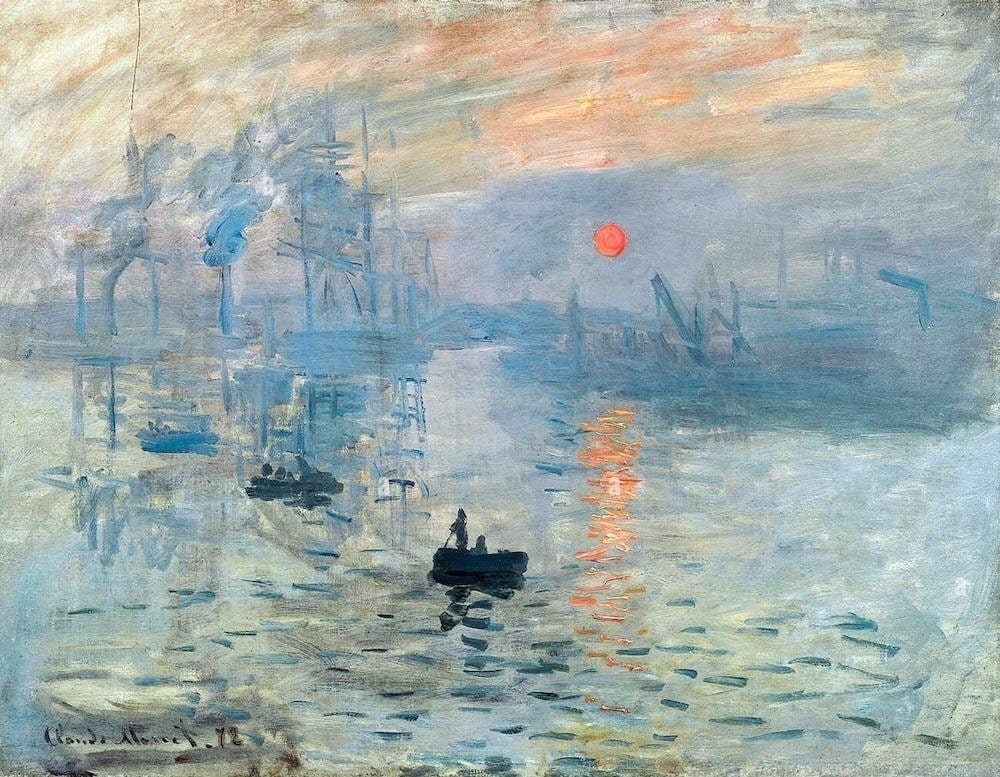
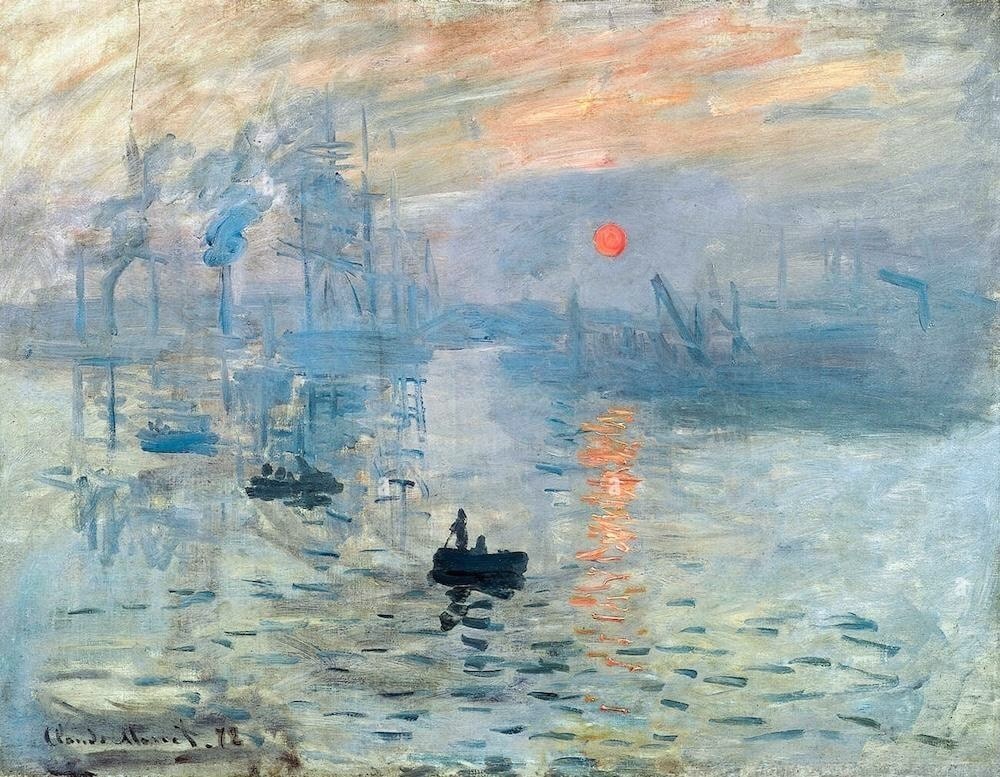
When you look at Impression, Sunrise, you step into a quiet harbor at dawn. Claude Monet painted this scene in 1872, showing the port of Le Havre in France. You see the sun rising over the water, boats drifting, and soft colors filling the sky. Monet used quick, loose brushstrokes to capture the feeling of the moment. He did not try to paint every detail. Instead, he wanted you to feel the light and the fresh air. The painting looks almost like a sketch, but that is what makes it special. You can sense the movement of the water and the changing sky. Monet painted outdoors, or “en plein air,” to catch the real effects of light and atmosphere. This approach was new and bold at the time.
Monet’s Impression, Sunrise does not just show a landscape—it invites you to experience it. You feel the calm and the hope of a new day.
Legacy in Famous Landscape Paintings
Impression, Sunrise changed the world of landscape painting forever. When Monet first showed this painting in 1874, it shocked many people. Critics noticed the loose brushwork and sketch-like look. Some even made fun of it. One critic, Louis Leroy, joked that the painting looked like “wallpaper in its embryonic state.” He used the word “Impression” to mock the work, but the artists liked the name. They started calling themselves the Impressionists. This new group wanted to capture the feeling of a scene, not just its details.
The painting’s bold style helped start the Impressionist movement.
Monet and his friends broke away from old rules and created their own exhibitions.
Impression, Sunrise inspired artists to paint modern life and changing light.
Art history books call this painting a turning point. Monet’s focus on light, color, and atmosphere set a new path for landscape paintings. He showed that you can paint what you feel, not just what you see. Today, Impression, Sunrise stands as one of the most famous landscape paintings, showing how a single work can change art forever.
4.The Starry Night

Overview
When you look at The Starry Night, you see a sky that swirls with energy. Vincent van Gogh painted this famous scene in 1889. He created it while staying at a hospital in Saint-Rémy, France. You notice the bright stars, the glowing moon, and the rolling hills. The village below feels quiet, but the sky above moves with bold colors and thick brushstrokes. Van Gogh used blues, yellows, and greens to make the night come alive. You can almost feel the wind and hear the silence of the night. This landscape feels both real and like a dream. Van Gogh did not paint what he saw exactly. He painted what he felt. That makes The Starry Night different from many other landscape paintings.
Artistic Impact
The Starry Night changed how people think about landscape. You see more than just a view of nature. You see emotion, movement, and imagination. Van Gogh showed that a landscape painting can express feelings, not just show a place. Many artists after him tried to capture their own emotions in their work. You might notice how the swirling sky inspired other painters to use bold lines and bright colors. The Starry Night also became a symbol of hope and wonder. People all over the world know this painting. It appears in books, movies, and even on t-shirts. When you look at it, you feel connected to something bigger. Van Gogh’s vision opened new doors for modern art. He proved that a landscape can be powerful, personal, and unforgettable.
Tip: Next time you see The Starry Night, try to imagine what Van Gogh felt as he painted. You might see the night sky in a whole new way.
5.View of Toledo

Overview
When you look at View of Toledo, you see a city that feels both real and magical. El Greco painted this landscape around 1608, showing the Spanish city of Toledo under a stormy sky. The buildings seem to glow, and the hills roll with deep greens and blues. You might notice how the sky looks wild and full of energy, almost like it could burst with lightning at any moment. El Greco did not just want to show you what Toledo looked like. He wanted you to feel its spirit.
Toledo was a city with a long and rich history. You can sense its importance in the painting. The city once served as a capital and a center for learning and culture. Even as its political power faded, Toledo kept its special place in Spain’s heart. El Greco lived there for many years, and you can tell he loved the city. He used bold colors and dramatic shapes to make the landscape feel alive.
Tip: Try to imagine standing on a hill outside Toledo, watching the clouds race across the sky. You might feel the same awe that El Greco felt.
Historical Significance
You might wonder why View of Toledo stands out among other landscape paintings. El Greco painted it during a time of big changes for the city:
Toledo became a major cultural center after Alfonso VI conquered it in 1085. The city kept Arab libraries and became a place for translation and learning.
It served as the capital of Castile and later as the imperial capital under Charles I.
In 1561, the Spanish court moved to Madrid. Toledo lost some political power but stayed important for art and ideas.
During the 16th century, Toledo was famous for its swords, silk, and beautiful tiles. The city mixed deep religious feeling with wealth and sometimes corruption.
El Greco arrived in 1577. He painted View of Toledo during a time when the city’s spirit felt both mystical and proud.
Art historians see this painting as a turning point. El Greco did not just copy what he saw. He created a visionary landscape that feels almost supernatural. The sky looks wild, and the city seems to wait for something powerful to happen. This style was new for Spanish art. Before El Greco, artists often used landscapes as backgrounds for other stories. Here, the landscape takes center stage. You see nature and the city as the main characters.
El Greco’s work inspired later historical landscape painters. They learned that a landscape could show emotion and spirit, not just a place. View of Toledo helped shape the future of Spanish art, making it one of the most important landscape paintings in history.
6.The Oxbow

Overview
When you look at The Oxbow, you see more than just a pretty view. Thomas Cole painted this famous landscape in 1836. He wanted you to notice the wild hills on one side and the neat, farmed land on the other. The sky changes from dark clouds to bright sunlight, almost like two worlds in one painting. If you look closely, you can even spot Cole himself, painting in the middle of the scene. This small detail makes you feel like you are part of the story.
The Oxbow shows a real place along the Connecticut River. Cole loved to explore nature, and he wanted you to see both the beauty and the changes happening in America. The painting feels peaceful, but it also makes you think about what happens when people change the land. You might wonder if nature and people can live together in harmony.
Fun Fact: The Oxbow gets its name from the U-shaped bend in the river, which looks just like the wooden yoke used on oxen.
Role in American Landscape Paintings
The Oxbow stands as a turning point for American art. You can see how Cole mixed ideas from Europe with a new American spirit. He grew up in England during the Industrial Revolution, so he knew how fast things could change. In this landscape, he shows the tension between wild nature and growing farms. The clouds and sunlight help tell this story.
Many people call The Oxbow the first painting of the Hudson River School. This group of artists wanted to show the special beauty of American land. They used warm colors, dramatic light, and deep meaning in their work. Cole’s painting set the style for others to follow. You can see how later artists used these ideas to create their own landscape paintings.
Teachers and art experts often use The Oxbow to talk about American history and the environment. The painting makes you think about how people shape the land and what that means for the future. Cole’s self-portrait in the scene reminds you that artists help you see the world in new ways.
When you stand in front of The Oxbow, you join a long line of people who have wondered about America’s past, present, and future.
7.The Great Wave off Kanagawa

Overview
When you see The Great Wave off Kanagawa, you notice a giant wave curling over small boats. The artist, Hokusai, created this woodblock print in the early 1830s. The wave looks powerful and almost alive, while Mount Fuji sits quietly in the background. You might feel the energy of the sea and the bravery of the fishermen. This artwork stands out because it shows nature’s force in a way that feels both beautiful and a little scary.
Hokusai used bold lines and strong colors. He made the wave look like a living creature, with white foam that almost looks like claws. The print is part of a series called "Thirty-six Views of Mount Fuji." Even though Mount Fuji is small in the picture, it remains important. You see how the wave and the mountain balance each other. This print is not just a simple landscape. It tells a story about people, nature, and the world around you.
Tip: Next time you look at The Great Wave, try to spot the tiny boats and think about how small people can seem in the face of nature.
Global Influence
You might wonder how a Japanese print became one of the most famous images in the world. At first, The Great Wave off Kanagawa stayed mostly in Japan. After Japan opened its ports in the late 1800s, the print traveled to Europe and America. Artists like Monet, van Gogh, and Manet saw it and felt inspired. They loved how Hokusai flattened space and played with color. You can see hints of The Great Wave in their own landscape paintings.
Art historians say this print helped start a trend called Japonisme. Western artists and designers began to use Japanese styles in their work. The Great Wave became a symbol of this new interest. You find its influence in painting, fashion, and even music. Famous composers like Debussy and Stravinsky admired the print. A photo from 1911 shows them standing next to a framed copy of The Great Wave.
Impressionist artists admired the print’s bold shapes and sense of movement.
The Great Wave’s style made it easy for Western artists to try new ideas in their own landscapes.
The image became even more famous after a real tsunami in 1896, when newspapers used it to show the power of nature.
Today, you see The Great Wave everywhere—from posters to t-shirts to digital art. It remains a powerful symbol of Japanese culture and the beauty of the natural world. This landscape continues to inspire artists and viewers all over the globe.
8.Water Lilies

Overview
When you step into a room filled with Monet’s Water Lilies, you feel like you’re floating on a pond. Claude Monet painted these works late in his life, inspired by the garden he created at Giverny. You see water, lilies, and reflections of sky and trees. There’s no clear horizon or ground. Instead, you get lost in color and light. Monet wanted you to experience the landscape in a new way, almost as if you’re inside the painting. He painted the same pond over and over, watching how the light changed at different times of day. Each canvas feels peaceful, but also full of movement and life.
At first, people didn’t know what to think about these paintings. When the Water Lilies first went on display in 1927, critics didn’t always like them. Some thought Monet had lost his touch. Others said the paintings looked too simple or decorative. A few even called them his biggest mistake. The art world at the time liked new, modern styles, so Monet’s work seemed old-fashioned. Still, some people saw the magic right away. Over the years, more and more people came to love the Water Lilies. Today, you find them in museums around the world, celebrated as masterpieces of landscape painting.
Innovation in Landscape Paintings
Monet changed the way you see a landscape. He broke many old rules and invented new ways to paint nature:
He made huge panels with no horizon line, so you focus only on the water’s surface.
He left out the ground and sky, letting you dive into the pond itself.
He used layers of paint and dry brush strokes to build up texture and depth.
He studied light and color like a scientist, using ideas from color theory to show how light dances on water.
His paintings blur the line between what’s real and what’s abstract, pulling you into a world of sensation.
Monet’s Water Lilies invite you to move your eyes across the canvas, following the lilies and reflections. You don’t just look at a landscape—you feel it. This approach helped shape modern art and inspired artists to see landscape paintings as more than just pictures of places. They became experiences you can step into, full of light, color, and emotion.
9.Christina’s World
Overview
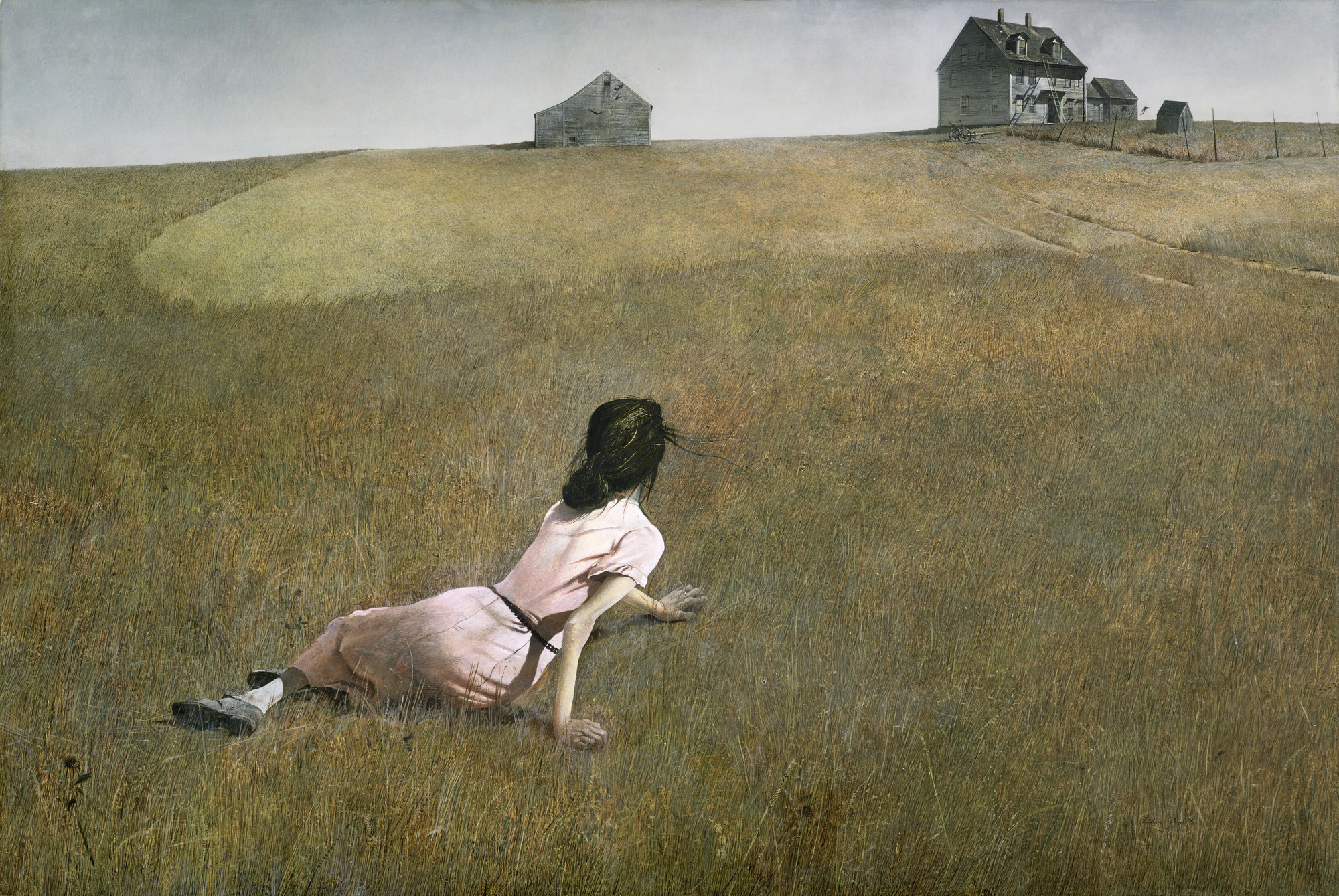
When you look at Christina’s World, you see a woman lying in a field, gazing toward a distant farmhouse. Andrew Wyeth painted this scene in 1948. The woman, Christina Olson, lived with a disability that made walking difficult. You can almost feel her determination as she pulls herself through the grass. The colors look soft and muted. The sky feels wide and empty. The landscape stretches out, making Christina seem small but strong.
Wyeth used egg tempera paint, which let him show every tiny detail. You might notice each blade of grass or the texture of Christina’s dress. The painting feels quiet, but it holds a deep sense of longing and hope. Wyeth once said,
"Magic! It's what makes things sublime. It's the difference between a picture that is profound art and just a painting of an object."
This idea helps you see why Christina’s World stands out. It is not just a picture of a field. It is a landscape filled with emotion and mystery.
Modern Landscape Paintings
Art critics call Christina’s World a modern classic for many reasons. Wyeth did not just copy what he saw. He changed parts of the farmhouse and used a special balance to guide your eyes. The painting belongs to a style called "magic realism." Here, everyday scenes feel poetic and mysterious.
The muted colors and empty fields show Wyeth’s personal feelings.
You see incredible detail, like single hairs and blades of grass.
The painting’s emotional depth and empathy for Christina make it unique.
At first, critics called it "kitschy nostalgia," but now it is a highlight at the Museum of Modern Art.
Art historian Wanda M. Corn describes Wyeth’s style as "metaphoric realism." She says he blends American regionalism with a touch of surrealism. You see more than just a realistic landscape. You find deeper truths about hope, struggle, and the human spirit. Wyeth’s careful detail and emotional storytelling changed how people think about realism in landscape art. Even though some critics did not like it at first, Christina’s World became a cultural icon. It shows you that a landscape can be both real and magical at the same time.
You’ve just seen how landscape art grew from simple backgrounds to powerful stories that shape how you see the world. These paintings show you new ways to feel and think about nature, using styles from many cultures and times. Artists keep finding fresh ideas by looking at these works, and museums still fill up with people who want to see them. If you feel inspired, explore more landscapes and find your own favorites!
Tucocoo Landscape Paint by Numbers
FAQ
What makes a landscape painting "iconic"?
A landscape painting is called iconic when it changes art. It stands out because of its style, story, or big effect. These paintings inspire other artists and stay famous for a long time.
Can I see these famous landscape paintings in person?
Yes, you can see many of these paintings in museums. Some are at The Metropolitan Museum of Art or The Musée d'Orsay. Look at museum websites to find more information.
Why do artists paint landscapes?
Artists paint landscapes to show beauty or tell stories. They also share their feelings about nature. Sometimes, they want you to see the world in a new way. You might feel like you are inside the scene.
How can I start learning about landscape art?
You can visit local museums or look at online galleries. Try drawing your favorite places. Read books or watch videos about famous artists. This helps you find what styles and stories you enjoy most.
Are there modern landscape paintings I should know about?
Yes! Many artists today make landscapes with new styles and tools. You can see digital art, murals on walls, and even 3D landscapes. Keep looking—there is always something new to find!