
Discovering Mindfulness with Jigsaw Puzzles for Adults
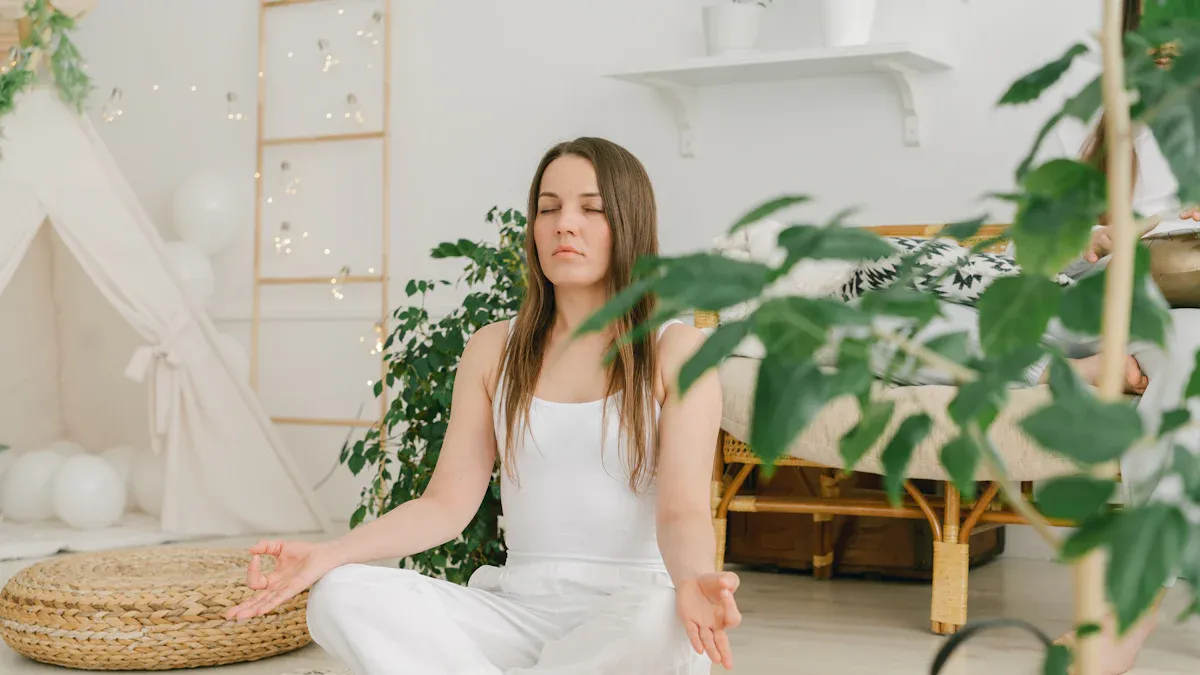
Imagine coming home after a busy day. You sit at your kitchen table, open a box of jigsaw puzzles for adults, and feel your mind slow down as you focus on each piece. Even if you think puzzles are just for kids, studies show that adults who spend time on jigsaw puzzles often see lower heart rates and less stress.
You might feel surprised, but these simple moments can help you find calm and mindfulness in your day.
Key Takeaways
Jigsaw puzzles help adults relax. They make you focus your mind. This slows down your thoughts. It creates a calm and peaceful feeling.
Doing puzzles lowers stress. It gives your brain a break from screens. It helps you forget daily worries. This can make you feel happier. It also helps lower anxiety.
Puzzles help your memory and focus. They make you better at solving problems. This may help protect your brain from memory loss. It can also help prevent dementia.
Adults like doing puzzles alone or with friends. Puzzles are a fun and cheap hobby. They challenge your brain. They are good for your mental health.
Start with easy puzzles. Try to do puzzles every day. This can help you be more mindful. It can help you feel calm and focused.
Mindfulness Benefits
Meditative State
When you work on jigsaw puzzles, you give your mind a break from daily worries. You focus on shapes, colors, and patterns. This simple act helps you enter a meditative state. Many adults say that sorting and fitting pieces together feels calming. You might notice your thoughts slow down. Your breathing becomes steady.
“I lose track of time when I do puzzles. My mind feels quiet, and I forget about my stress,” shares Linda, a teacher who uses puzzles after work.
Scientists have found that jigsaw puzzles for adults can help you practice mindfulness. Here are some ways puzzles create a meditative state:
Sorting and assembling pieces helps you stay in the moment.
Handling puzzle pieces gives you a sense of control and comfort.
Focusing on the puzzle slows down mental chatter and brings calm.
Each small win, like finding a matching piece, boosts your mood.
Research in Frontiers in Aging Neuroscience shows that activities like jigsaw puzzles support memory and thinking skills. The famous psychologist Mihaly Csikszentmihalyi calls this deep focus a “flow state.” When you reach this state, you feel present and peaceful. Therapists even use puzzles to help people with anxiety, ADHD, and depression. In some countries, puzzles are part of therapy to help adults reconnect with themselves, piece by piece.
Stress Relief
You might wonder if jigsaw puzzles really help with stress. Many adults say yes. When you sit down with a puzzle, you give your brain a break from screens and noise. You focus on one task. This helps your body relax. Studies show that working on puzzles can lower cortisol, the hormone that causes stress.
Puzzles help you forget about worries for a while.
The act of searching for pieces gives your mind a gentle workout.
You feel a sense of accomplishment as you see the picture come together.
Some research compares puzzles to other ways of relaxing, like playing video games. Video games can lower stress quickly for some people. Puzzles may not work as fast for everyone, especially if you feel frustrated by tricky pieces. Still, many adults find that the slow, steady pace of puzzling helps them unwind.
If you worry about memory loss or dementia, puzzles offer extra benefits. Studies suggest that keeping your mind active with jigsaw puzzles may help prevent dementia. People who do puzzles often keep their brains sharp and alert. This is one of the key benefits of jigsaw puzzles for adults. You can enjoy a fun hobby and support your mental health at the same time.
Tip: Try setting aside a few minutes each day for a puzzle break. You might notice you feel calmer and more focused.
Jigsaw Puzzles for Adults

Why Try Jigsaw Puzzles
You might think jigsaw puzzles are just for kids, but adults love them too. Many people find that jigsaw puzzles for adults offer a fun and relaxing way to spend time. You can do them alone or with friends and family. They do not need batteries, apps, or a Wi-Fi connection. You just need a table and some time.
Here are some reasons adults enjoy jigsaw puzzles:
They cost less than many hobbies.
You can work on them at your own pace.
They challenge your brain in new ways.
You can puzzle alone or make it a social event.
Jigsaw puzzles for adults help you use different parts of your brain. You practice memory, reasoning, and problem-solving. Some studies show that people who do puzzles may lower their risk of memory loss as they age. Puzzling also helps you feel good about yourself when you finish a tricky section.
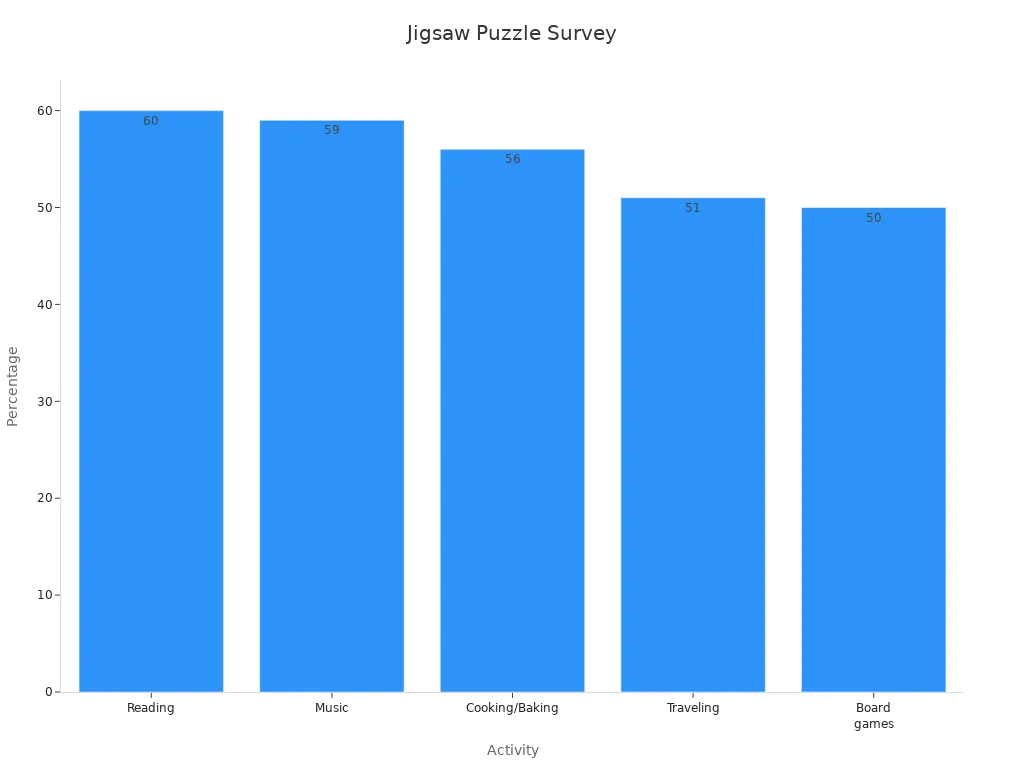
According to surveys, almost half of American adults enjoy jigsaw puzzles at least once a year. Many say they puzzle for relaxation, fun, and stress relief. Some even call it a family tradition. Here’s a quick look at puzzling habits:
Aspect |
Statistic / Finding |
|---|---|
Percentage of American adults who enjoy jigsaw puzzles at least once a year |
48% |
Percentage who puzzle monthly, weekly, or daily |
19% |
Top reasons for puzzling |
Relaxation (59%), Fun (57%), Stress relief (47%), Brain-boosting (42%), Social time (34%) |
Typical puzzling company |
Alone (59%), with spouse/partner (29%), with children/grandchildren (26%) |
You can see that enjoying jigsaw puzzles is not just for kids. Adults of all ages and backgrounds find joy in this simple activity.
Digital Detox
Screens fill your day—phones, computers, and TVs. Sometimes, your mind needs a break. Jigsaw puzzles give you that break. When you swap screen time for puzzle time, you help your brain rest and recharge.
Working on a puzzle helps you focus on one thing. You use your hands and eyes together. You think about shapes and colors, not emails or social media. Many people say they feel less stressed and more relaxed after puzzling. You might notice your mood improve, too.
Puzzle time can also boost your memory and problem-solving skills. It gives you a chance to slow down and enjoy the moment. Next time you want to unwind, try turning off your devices and picking up a puzzle. You may find that you feel calmer and more focused.
Personal Stories
Coping with Stress
You are not alone if you turn to puzzles when life feels overwhelming. Many adults use jigsaw puzzles for adults to manage anxiety, grief, or emotional distress. When you focus on fitting pieces together, your mind gets a break from worries. You might notice your breathing slow down and your thoughts become clearer.
"After my father passed away, I started doing puzzles every evening. It helped me feel calm and gave me something positive to focus on," shares Mark, a nurse from Ohio.
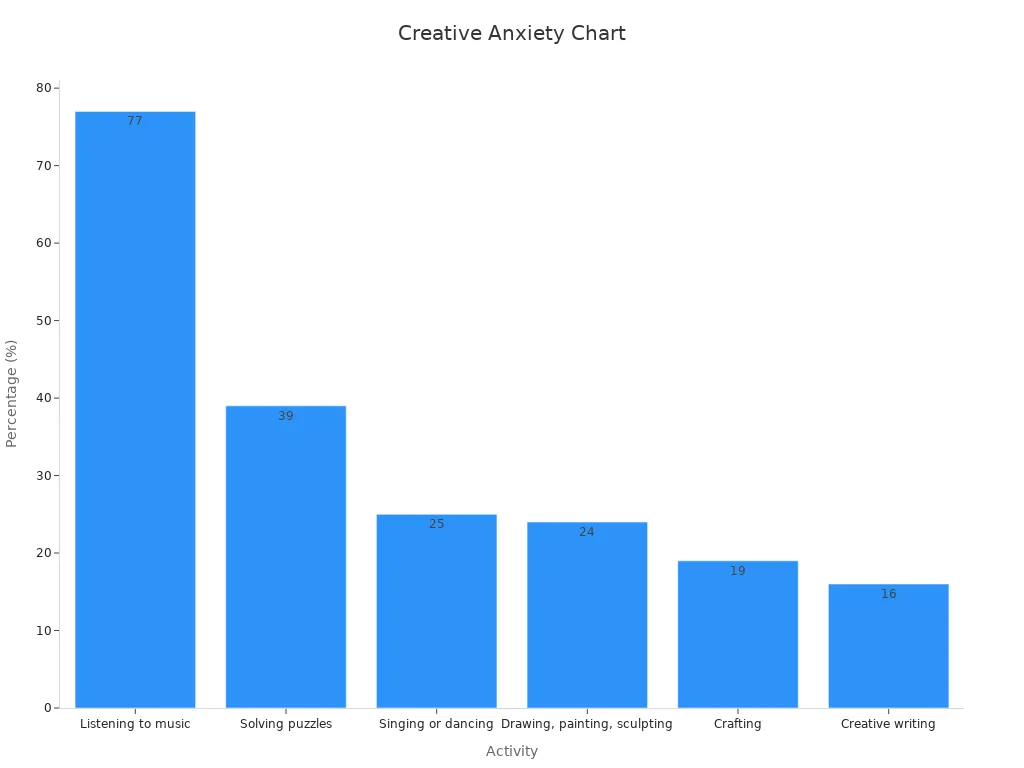
A recent survey shows that 39% of adults use puzzles to relieve stress and anxiety. That means almost four out of ten people find comfort in this simple activity.
Creative Activity |
Percentage of Adults Using It to Relieve Stress and Anxiety |
|---|---|
Listening to music |
77% |
Solving puzzles |
39% |
Singing or dancing |
25% |
Drawing, painting, sculpting |
24% |
Crafting |
19% |
Creative writing |
16% |
You might feel a sense of accomplishment each time you finish a puzzle. This feeling can help you cope with tough emotions. Some people even say that puzzles help them keep their minds sharp and may lower the risk of dementia.
Finding Focus
Jigsaw puzzles do more than just help with stress. They can also help you find focus and mental clarity. When you work on a puzzle, you train your brain to pay attention and ignore distractions. Over time, you may notice that you can concentrate better at work or school.
A 2015 study followed over 4,700 adults and found that doing puzzles for just 15 minutes a day, five days a week, improved concentration.
Another study tracked almost 3,000 older adults for ten years. Those who did puzzles and other brain games showed better memory and thinking skills. This is important for anyone worried about dementia.
You can see this transformation in families, too. Parents who do puzzles with their children often use special words to help them learn. For example:
A mother guided her young son through a 30-piece puzzle, encouraging him to find edge pieces. When he finished, he proudly said, "I did it!"
Another parent taught her son about corners and straight edges, helping him build confidence.
You might find that, like these families, you feel more focused and proud after finishing a puzzle. Each piece you place brings you closer to a clear mind and a sense of achievement.
Getting Started

Try Tucocoo Jigsaw Puzzles
Choosing Puzzles
Picking a good puzzle helps you enjoy mindfulness. You want a puzzle that is fun and not too hard. Here are some tips to help you pick:
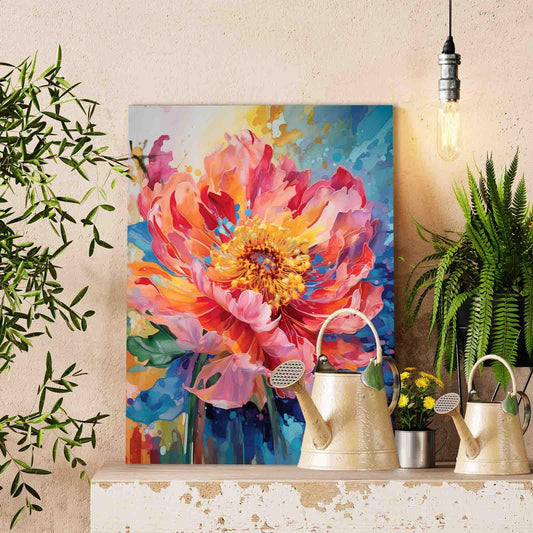
Choose pictures that make you feel calm, like flowers or the ocean. These pictures help you relax and pay attention.
Try puzzles with colors that blend together. These puzzles help you notice small details and clear your mind.
Start with bigger pieces, like 300 to 500 pieces. These are easier for your eyes and hands.
Simple or abstract puzzles help you stay focused. They also help you avoid getting distracted.
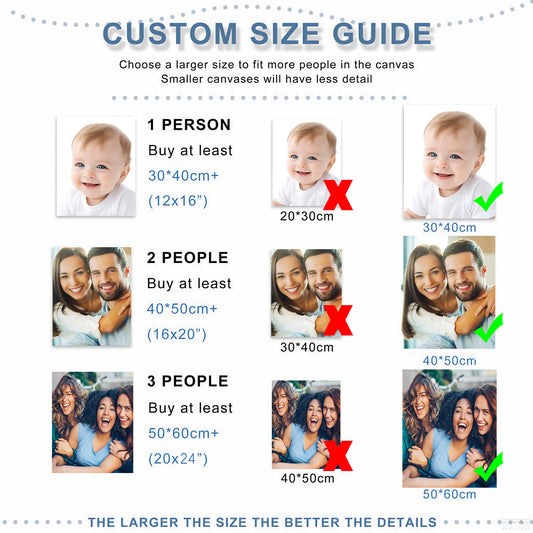
Puzzles made from your own photos feel special. They can make puzzling more fun and meaningful.
“Last year, when work was stressful, I started a jigsaw puzzle to take a break. Sorting and putting the pieces together helped me focus on the present. This activity helped me relax and clear my mind. Over time, I got better at handling stress and felt calmer when facing problems.”
Many adults like puzzles that are a little hard but not too tricky. You might like a puzzle that takes a few days to finish. This gives you a good feeling and keeps your mind busy.
Creating a Routine
Making a puzzle routine helps you get more from this hobby. Try these ideas:
Strategy |
Purpose |
Example Activities |
|---|---|---|
Lower anxiety |
Put puzzle time on your calendar |
|
Play-Based Activities |
Make it fun |
Themed puzzles or puzzle nights |
Positive Reinforcement |
Keep going |
Celebrate when you finish a part |
Breaking Down Tasks |
Make it easier |
Sort pieces by color or by edge first |
Stress Management |
Stay relaxed |
Take deep breaths while puzzling |
Family Involvement |
Get closer |
Work on a puzzle with your family |
Experts say doing puzzles often can help your focus, memory, and patience. Try to spend 10 minutes in the morning or at night. Pay attention to the process, not just the finished puzzle. After a while, you may feel calmer and more present every day.
Jigsaw puzzles give you a simple way to slow down and relax. When you focus on each piece, your mind gets a break from stress and screens. Experts say puzzling can lower your heart rate, help you feel calm, and even boost your mood. You might find yourself more focused and less anxious. Why not grab a puzzle and see how it helps you unwind? 😊 Share your favorite puzzle moments in the comments—your story could inspire someone else!
FAQ
How long should you spend on a jigsaw puzzle for mindfulness?
You do not need hours. Even 10–15 minutes can help you relax and clear your mind. Try to focus on the process, not the time.
Tip: Short, daily sessions work better than one long puzzling marathon!
What type of puzzle is best for beginners?
Start with 300–500 piece puzzles. Choose images you like, such as nature or animals. Large pieces and clear colors make it easier to get started and stay motivated.
Can jigsaw puzzles really help with anxiety?
Yes! Many people say puzzles help them feel calm and focused. You give your mind a break from worries and enjoy small wins as you fit each piece.
Is it better to puzzle alone or with others?
Both ways work! Puzzling alone helps you relax and focus. Doing puzzles with friends or family can boost your mood and create happy memories.
Note: Try both and see what feels best for you.