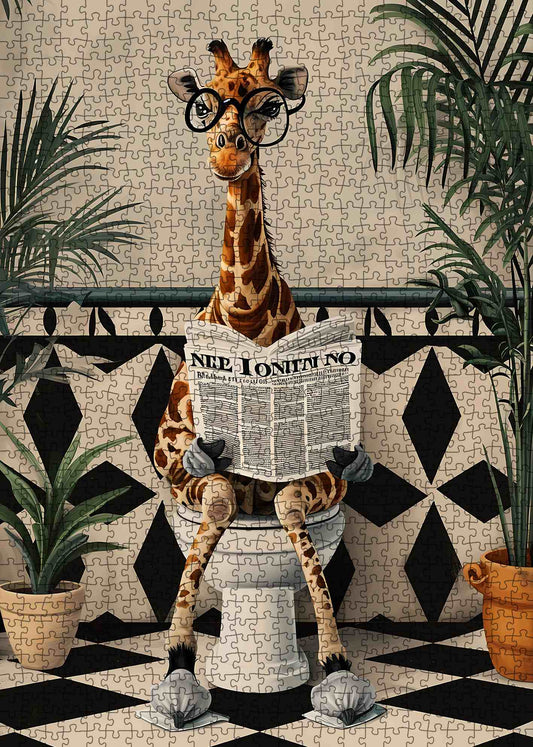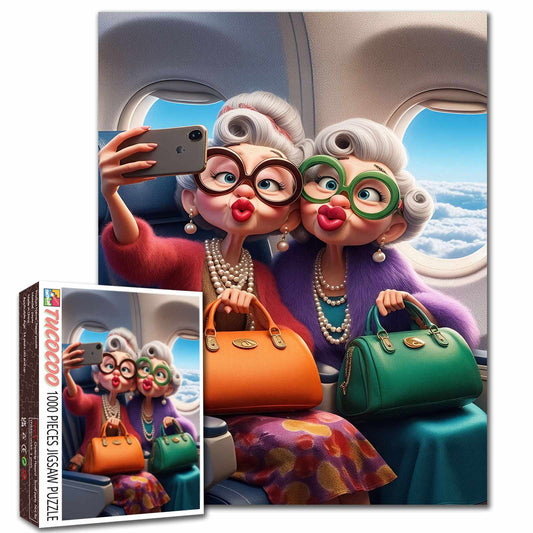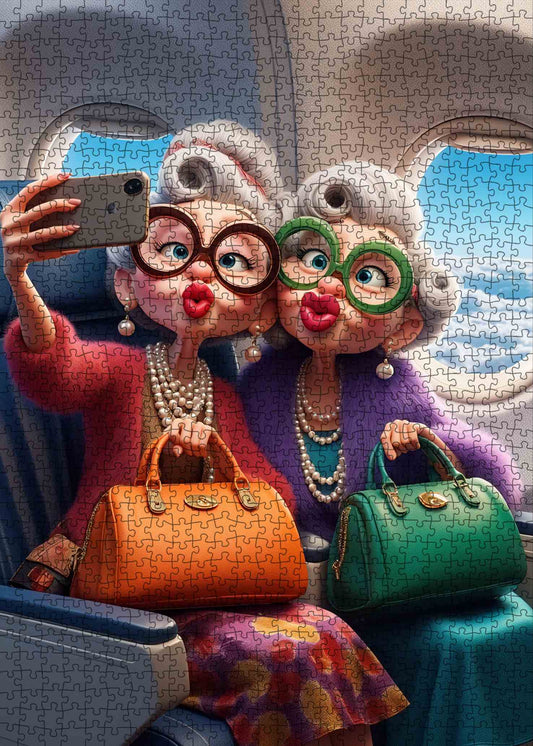
1000 piece jigsaw puzzle magic and the joy of finishing
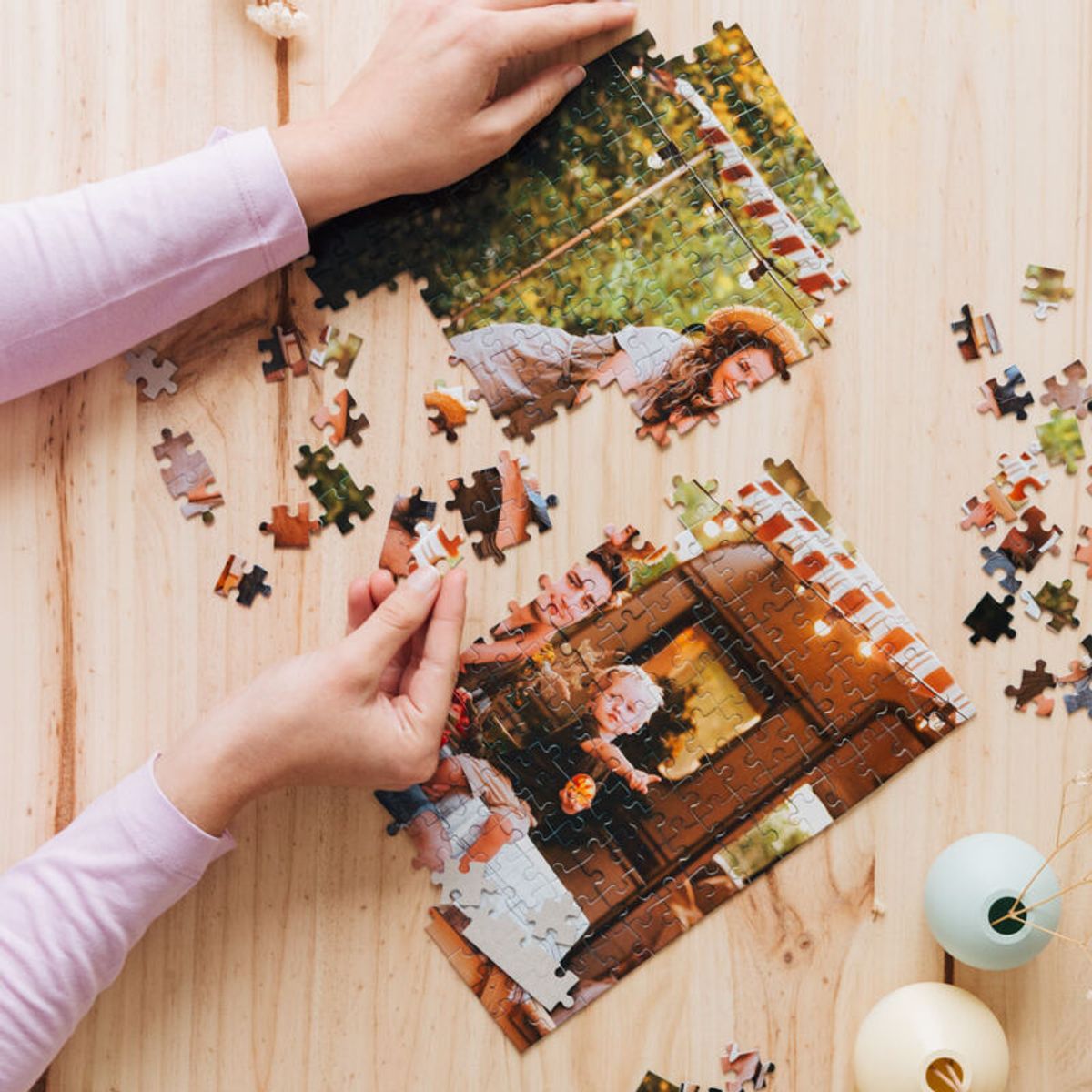
You know that feeling when you snap the last piece into a 1000 piece jigsaw puzzle? Your heart skips. The picture finally comes together, and you see every hour of effort pay off. One puzzler, Jamie, says, “It’s like finishing a story you wrote yourself.” Each small win—finding a tricky edge or matching a color—pulls you forward. Brands like Tucocoo make every piece fit just right, turning your table into a masterpiece.
Key Takeaways
A 1000 piece jigsaw puzzle is a great challenge. It keeps you interested but does not make you feel stressed. Start by making the border first. Sort the pieces by color or pattern. This makes the puzzle easier and more fun. Take breaks when you get stuck. Look at the puzzle from a new angle. This helps you find hard pieces faster. Join puzzle groups or share your progress online. This makes you feel motivated. You can meet other people who like puzzles too. Finishing a puzzle makes you feel proud, calm, and happy. It shows that your patience and focus paid off.
Why 1000 Piece Jigsaw Puzzle
The Challenge and Satisfaction
When you pick up a 1000 piece jigsaw puzzle, you choose a challenge that feels just right. You do not want something too easy. You do not want to feel lost or overwhelmed. This size gives you the perfect balance. You get to think, plan, and organize. You sort pieces by color, pattern, and edge. You work on small sections, and each time you finish one, you feel proud.
You use strategy and patience.
You take breaks to keep your mind fresh.
You enjoy the journey from the first piece to the last.
Many puzzlers love this size because it is big enough to keep you busy, but not so big that you give up. You can finish a 1000 piece jigsaw puzzle in a few days or over a weekend if you want. Some people even race to finish them in competitions! The feeling when you finish is amazing. You see all your hard work come together, and you feel a real sense of accomplishment.
Tip: If you ever feel stuck, step away for a bit. When you come back, you might spot the piece you need right away!
Studies show that as the challenge goes up, your satisfaction can go down if things get too hard. But with a 1000 piece jigsaw puzzle, you get just enough challenge to keep you engaged and happy. When you solve tricky parts, you feel even more satisfied.
Themes and Artwork
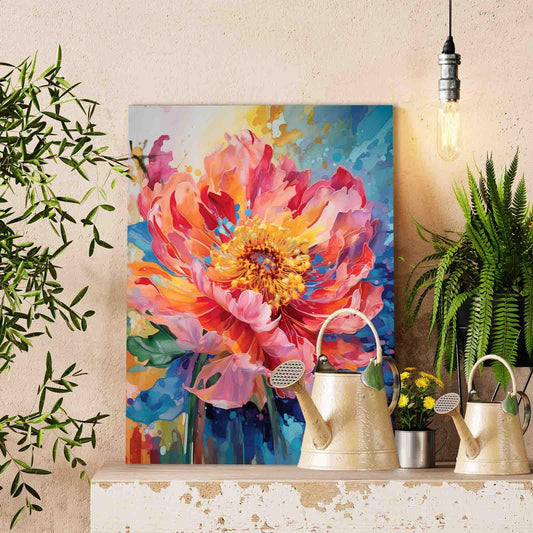
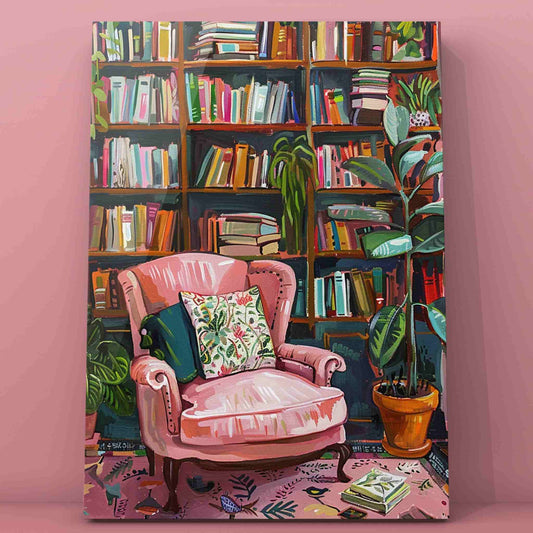
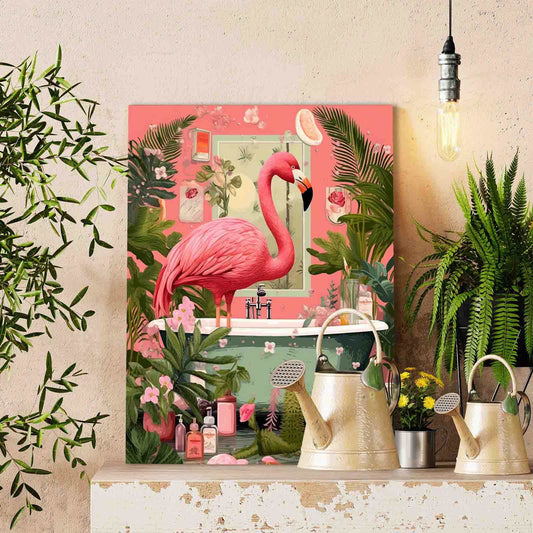
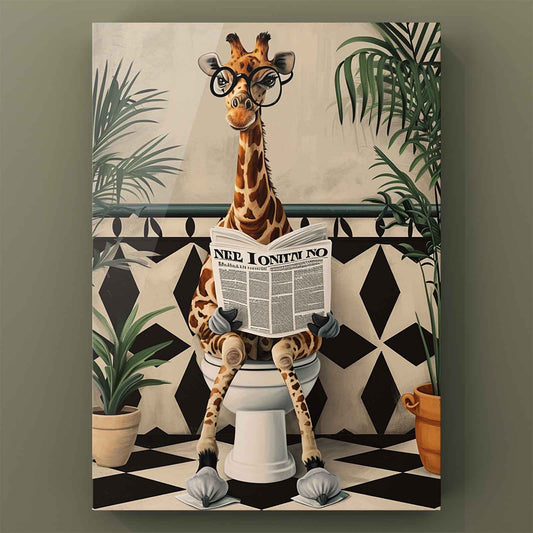
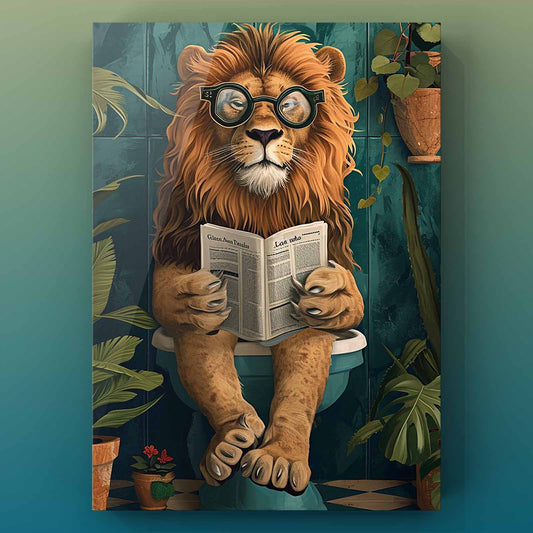
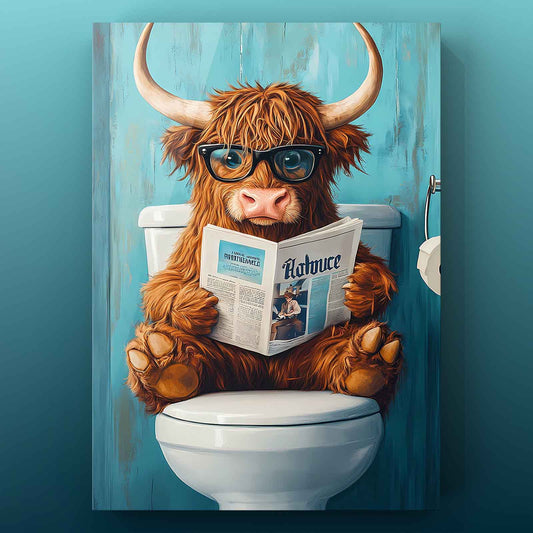
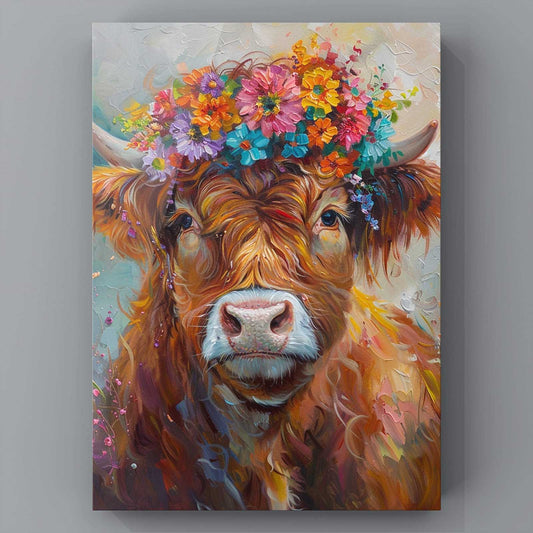
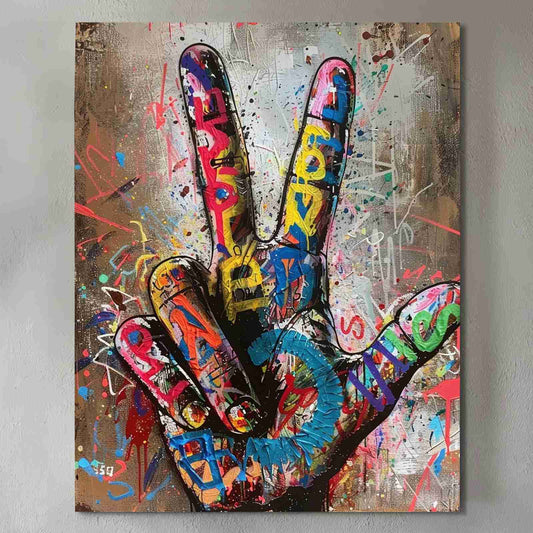
You get to choose from so many themes when you pick a 1000 piece jigsaw puzzle. Do you love nature? Maybe you want a puzzle with a mountain view or a field of flowers. Are you into art? You can find puzzles with famous paintings or modern designs. Some people like puzzles with animals, city scenes, or even holiday celebrations.
Here are some popular themes you might enjoy:
Nature and landscapes
Festivals and holidays
Famous artwork
Animals and wildlife
Cityscapes and travel
The artwork makes the puzzle even more fun. You get to touch each piece and see the picture come to life. High-quality brands like Tucocoo make sure every piece feels smooth and fits perfectly. This makes the whole experience better. You do not have to worry about missing pieces or rough edges.
Let’s look at how long it might take you to finish a 1000 piece jigsaw puzzle:
Skill Level |
Average Completion Time (hours) |
Additional Notes |
|---|---|---|
Beginner |
12 - 20 |
May take several days or weeks |
Intermediate |
8 - 12 |
Usually done over a weekend or multiple sessions |
Expert |
5 - 8 |
Faster if the puzzle is straightforward |
The time you spend depends on the picture, the shapes of the pieces, and your own style. No matter how long it takes, you get to enjoy every step. When you finish, you can look at your completed puzzle and feel proud of what you did.
Starting Out
First Steps
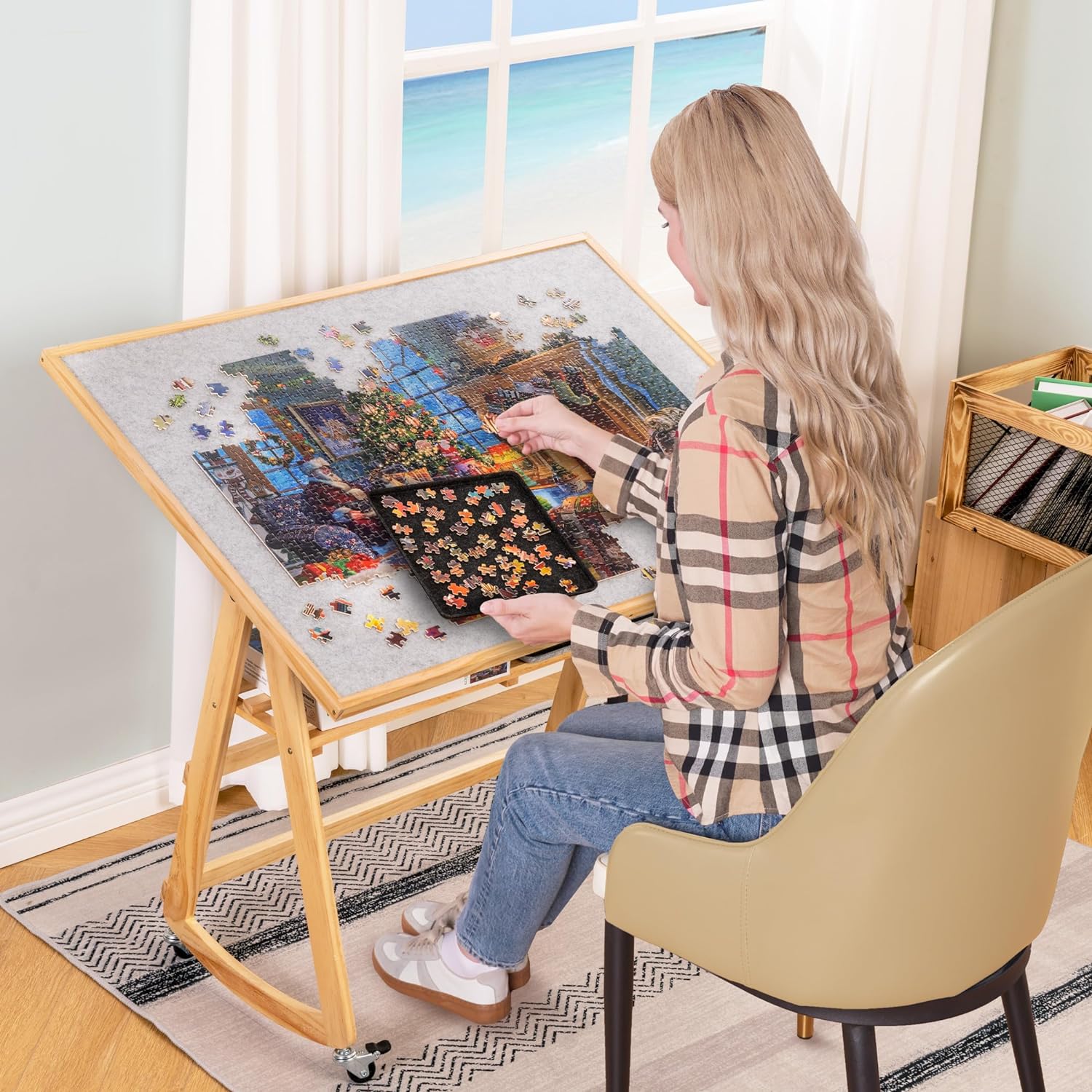
You just opened your new 1000 piece puzzle. The pieces look like a colorful sea. Where do you begin? Start by finding a good spot to work. A large table or a puzzle mat works best. This keeps your pieces safe and gives you space to spread out.
Next, open the box and flip all the pieces picture-side up. This helps you see the colors and patterns. Take a moment to look at the box image. The picture will guide you as you build. Many puzzlers say the box is your best friend. It shows you where tricky pieces might go.
Now, look for the edge pieces. These pieces have at least one straight side. When you find them, set them aside. Building the border first gives you a clear frame. It feels great to see the outline come together. You get a quick win and a boost of confidence.
Tip: Take short breaks if you feel stuck. A fresh look can help you spot the piece you need!
Sorting and Organization
Sorting makes the puzzle much easier. After you finish the border, group the rest of the pieces by color, pattern, or shape. Use small trays, bowls, or even muffin tins to keep things tidy. Some people like to sort by big color blocks, like blue sky or green grass. Others focus on unique patterns or shapes.
Here’s a simple way to organize your puzzle:
Sort edge pieces and build the border.
Group pieces by color or pattern.
Work on one section at a time, like a tree or a building.
Use the box image to match tricky spots.
Save small, detailed areas for last.
Rotate the puzzle sometimes. A new angle can help you see where pieces fit. Celebrate small wins, like finishing a section. Each step brings you closer to that final, satisfying piece!
Staying Motivated

Overcoming Frustration
Sometimes, you just cannot find the right piece. You might feel stuck or get annoyed. Every puzzler feels this way sometimes. It is normal to get frustrated, but you do not have to quit. Try taking a break. Walk away, stretch, or eat a snack. When you return, things might look different.
Studies say using simple tricks can help you feel better. You can break the puzzle into smaller parts or ask for a hint. These tricks are called scaffolding. They make hard puzzles seem easier. You can work on one part at a time or sort by color. This helps your mind stay sharp and your mood happy.
Tip: If a puzzle feels too hard, pick a theme you like or try fewer pieces next time. Even expert puzzlers say it is fine to take a break and try something new.
Here is a quick chart about how strategies help:
Strategy Type |
Benefits |
Drawbacks |
|---|---|---|
Makes you feel less stuck and more confident |
You might start to depend on help instead of solving alone |
|
Critical Feature Scaffold |
Teaches you new ways to solve puzzles |
You could need more help if you use it too much |
Community and Sharing
You do not have to do puzzles alone! Many people join clubs, swap puzzles, or post photos online. These groups help you stay excited and finish tough puzzles. When you see others working, you want to keep going too.
See how community activities help motivation:
Community Engagement Activity |
Motivation and Participation |
Impact on Puzzlers |
|---|---|---|
Online groups (Instagram, Facebook) |
Thousands of followers, viral videos |
Support, encouragement, and fun sharing |
Library puzzle swaps |
Fresh challenges and new friends |
|
Puzzle races |
Teams racing to finish puzzles |
Friendly competition and teamwork |
These groups are big and very active. For example, Emilee Frost’s online puzzle group has almost 14,000 Instagram followers and a video with over 54 million views. Local libraries hold swaps and races, bringing people together and keeping everyone excited.
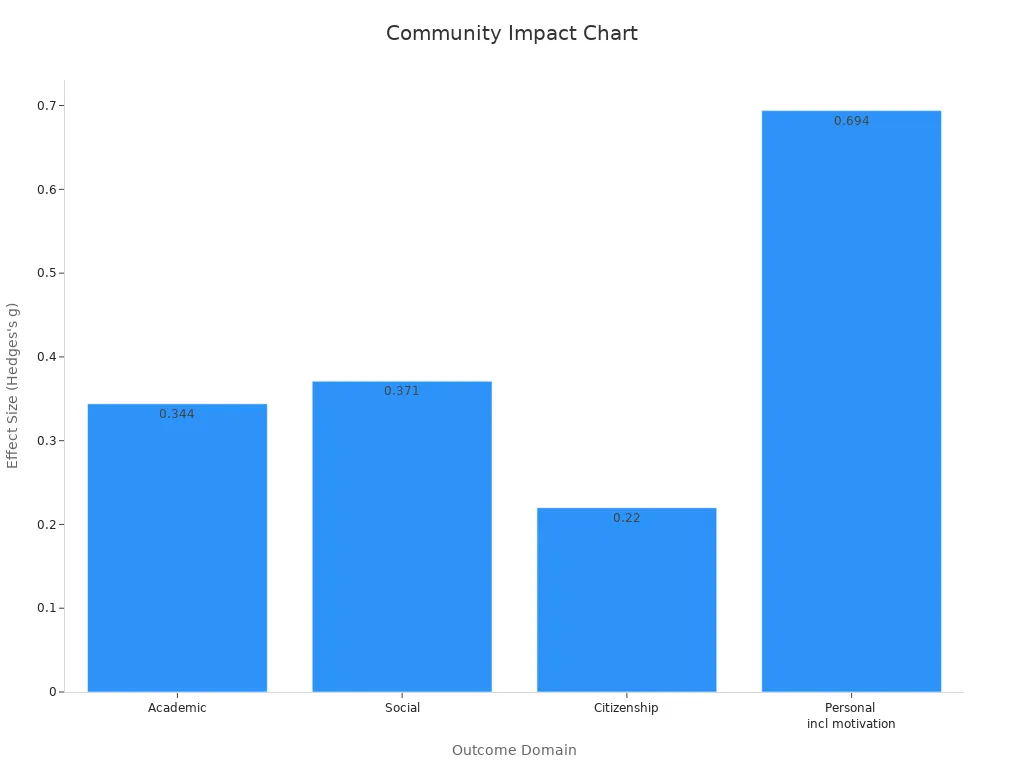
This chart shows that being in a puzzle group helps you feel good and make friends. When you share your progress, cheer for others, or join a club, you feel like you belong. You get new ideas, meet friends, and celebrate every finished puzzle together. So, if you feel stuck, reach out—your puzzle friends want to help!
Finishing Touches
The Final Pieces
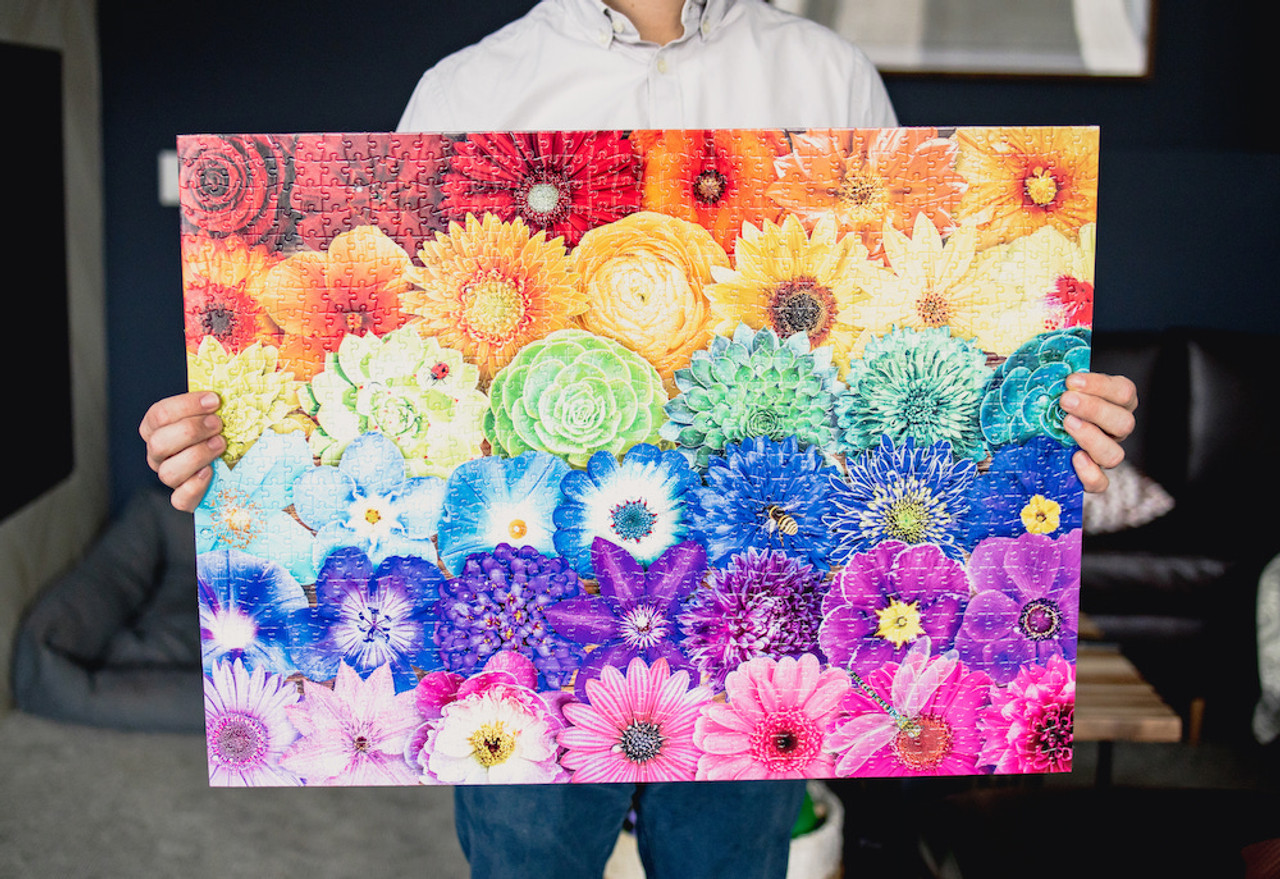
You reach the last few pieces. Your heart beats a little faster. Each piece you place brings the picture closer to life. When you snap in the final piece, you feel a rush of joy. You see your hard work pay off right in front of you. Many puzzlers say this moment feels like a small victory. You might even feel a physical high, almost like winning a game.
“Finishing a puzzle gives me a sense of calm and triumph at the same time,” says one enthusiast. “It’s better than finishing a tough homework assignment!”
When you finish a 1000 piece jigsaw puzzle, your brain releases dopamine. This chemical makes you feel happy and proud. You get a real sense of accomplishment. Your self-esteem grows. You also feel more motivated to try new things. Puzzling helps you focus on the present, which can lower stress and clear your mind.
You feel proud of your effort.
You enjoy a boost in mood.
You notice less anxiety and more calm.
Celebrating Completion
After you finish, you might have a special ritual. Some people take a photo of their completed puzzle. Others invite friends or family to admire the finished work. You might share your success online or in a puzzle group. Brands like Tucocoo make this moment even better with their beautiful designs and perfect-fitting pieces.
Here are some ways you can celebrate:
Take a picture and post it on social media.
Frame your puzzle and hang it on the wall.
Swap puzzles with friends or join a local puzzle club.
Keep a puzzle journal with photos and notes about each one you finish.
Many puzzlers like to display their favorite puzzles. You can use puzzle glue to keep the pieces together. Some people frame their puzzles and turn them into art for their home. This way, you remember the fun and effort every time you see it.
A finished 1000 piece jigsaw puzzle is more than just a picture. It shows your patience, focus, and creativity. Every time you look at it, you remember the joy of that final piece.
Enthusiast Tips
Choosing a 1000 Piece Jigsaw Puzzle

Try Tucocoo Jigsaw Puzzles
Picking the right puzzle can make your experience much more fun. You want a puzzle that matches your skill level and interests. If you are new, you might start with a 500-piece puzzle. When you feel ready, move up to a 1000 piece jigsaw puzzle. Look for puzzles with clear images, bright colors, and sharp lines. These features help you spot where pieces fit and make the process smoother.
Here are some things to look for when choosing your next puzzle:
Image Quality: Choose puzzles with high-contrast pictures and clear subjects. Avoid puzzles with large areas of one color or blurry images. These can be frustrating, even for experts.
Piece Shape and Cut: Go for puzzles with well-cut, unique pieces. Random cuts and soft-touch finishes feel great and help pieces lock together.
Material and Printing: High-quality brands use sturdy cardboard or wood. Good printing means no faded colors or pixelation.
Theme: Pick a theme you love. Nature, art, animals, or city scenes—there is something for everyone.
Special Features: Some puzzles offer custom shapes, message pieces, or even eco-friendly materials. These add a personal touch and make great gifts.
Tip: Many puzzle brands let you preview the image before you buy. This helps you avoid surprises and pick the perfect challenge.
If you want to give a puzzle as a gift, think about the person’s interests. A beautiful 1000 piece jigsaw puzzle with a favorite scene or artwork can be a thoughtful present. The puzzle community even has a special name for fans—dissectologists. Joining this group means you share a love for solving and collecting puzzles.
Practical Advice
You can make puzzling easier and more enjoyable with a few simple tricks. Setting up your space and organizing your pieces saves time and keeps you motivated.
Workspace Setup
Find a large, flat table or use a puzzle mat. Make sure you have enough room to spread out all the pieces.
Keep your workspace free from clutter. Use trays, bowls, or containers to sort pieces by color, edge, or pattern.
Good lighting is key. A bright lamp or natural light helps you see details and reduces eye strain.
Sorting and Solving
Flip all pieces picture-side up before you start. This makes it easier to spot patterns and colors.
Sort edge pieces first and build the border. This gives you a frame to work inside.
Group pieces by color, pattern, or major features. Work on one section at a time.
Use the box image as a guide. It helps you match tricky spots and stay on track.
Take breaks if you feel stuck. A fresh look can help you find missing pieces faster.
Table: Quick Tips for Success
Tip |
Why It Helps |
|---|---|
Sort pieces by color/pattern |
Saves time and reduces frustration |
Use containers or trays |
Keeps workspace tidy |
Work in good lighting |
Makes details easier to see |
Build the border first |
Gives structure to your puzzle |
Take breaks |
Keeps your mind fresh |
Note: Avoid working in dark or messy spaces. These can slow you down and make puzzling less fun.
Level Up Your Skills
Try timed challenges or speed rounds to improve your sorting and assembly skills.
Practice pattern recognition by focusing on shapes and colors.
Join online forums or local clubs to share tips and learn new strategies.
Compete in puzzle races or swap puzzles with friends for fresh challenges.
Puzzling is not just about finishing. It helps your brain stay sharp and gives you a sense of control and mastery. Many people find comfort and joy in the process, especially during stressful times. The puzzle community keeps growing, with new themes, eco-friendly options, and even high-tech puzzles. Whether you are a beginner or a seasoned dissectologist, there is always something new to discover.
You know the magic that comes when you finish a 1000 piece jigsaw puzzle. That last piece brings a rush of pride and calm. Research shows you feel this joy because your brain loves the reward of completion. You can boost your mood, meet new friends, and even build grit by joining puzzle communities. Why not try a 1000 piece jigsaw puzzle from Tucocoo or share your own story with fellow puzzlers? Your next adventure could start with just one piece. 🧩
FAQ
How do you keep puzzle pieces from getting lost?
You can use a puzzle mat or trays to keep pieces safe. Always work in a clean area. Put pieces back in the box when you take a break. This helps you avoid losing any important pieces.
What should you do if a piece is missing?
First, check under the table or nearby chairs. Sometimes pieces hide in odd places. If you still cannot find it, contact the puzzle brand. Many companies, like Tucocoo, offer replacement pieces.
How do you glue and frame a finished puzzle?
Lay wax paper under your puzzle. Spread puzzle glue evenly on top. Let it dry. Place the glued puzzle in a frame that fits. Now you can hang your masterpiece on the wall!
Can you do a 1000 piece puzzle alone or with friends?
You can do it either way! Some people love working alone for quiet time. Others invite friends or family to join. Working together can make the puzzle more fun and help you finish faster.