
Easy Hobbies for Women to Relax and Recharge
Ready to discover simple ways to relax? You deserve easy hobbies for women that fit your busy life and boost personal well-being. Research shows that staying active with leisure activities helps you feel happier and less stressed.
Hobbies offer a mental break.
They support your mood and health.
Key Takeaways
Relaxing hobbies can help lower stress and worry. Doing things like yoga, journaling, and painting can help you feel calm. These activities can also make you feel happier.
Doing creative hobbies helps you take care of yourself. When you spend time on things you like, it shows you care about yourself.
Mindfulness practices like meditation and nature walks help you relax. Even a short time being mindful can help you feel calm and focused.
Why Relaxing Hobbies Matter
Stress Relief for Women
You face stress every day. Work, family, and life can feel overwhelming. Relaxing hobbies give you a break and help you recharge. When you spend time on calming activities, your body starts to relax. You may notice your heart rate slows down and your mind feels clearer.
Calming hobbies can trigger your body’s relaxation response. This helps lower stress and anxiety.
Activities like journaling or learning something new can boost your mood and make you feel happier.
Creative hobbies encourage mindfulness. You stay present and stop worrying about the past or future.
Physical hobbies such as yoga or dancing release endorphins. These chemicals help you feel good and improve your well-being.
Group hobbies connect you with others. You get emotional support and feel less alone.
Tip: Try a hobby that fits your lifestyle. Even ten minutes a day can make a difference.
Self-Care Benefits
Relaxing hobbies support your self-care routine. When you make time for yourself, you show that your well-being matters. Creative activities can lift your spirits and help you manage stress. Gardening, for example, lets you unwind and enjoy nature.
Spending time in nature can lower anxiety and boost your mental health.
Hobbies like painting or baking give you a sense of accomplishment.
Self-care through hobbies helps you recharge and feel balanced.
You deserve moments of peace. Choose a hobby that brings you joy and helps you feel refreshed.
Meditation and Mindfulness
Meditation for Relaxation
You might feel your mind racing after a busy day. Meditation helps you slow down and find calm. Many women use guided meditations from the UCLA Mindful App. You can listen to a short session and feel your stress melt away. Mindfulness-based stress reduction, or MBSR, has helped women with worries and anxiety. You do not need special equipment. Just sit quietly and focus on your breath. You may notice your thoughts become clearer and your body feels lighter.
Guided meditations are easy to follow.
MBSR can boost your self-esteem and help you manage stress.
Health professionals use meditation to help women feel better without medicine.
Tip: Try a five-minute meditation before bed. You may sleep better and wake up refreshed.
Easy Mindfulness Practices
Mindfulness means paying attention to the present moment. You can practice mindfulness anywhere. Start by noticing your breath or the sounds around you. Many women find that simple mindfulness techniques help them relax and think more clearly. You can use journaling to write about your feelings or what you notice each day. This helps you stay present and let go of worries.
Take a mindful walk and notice the colors and smells.
Use journaling to track your thoughts and feelings.
Pause during your day and take three deep breaths.
You do not need a lot of time. Even a few minutes of mindfulness or journaling can help you feel calm and focused.
Journaling for Calm
:max_bytes(150000):strip_icc()/GettyImages-995468182-5c12fc3e46e0fb000108d8f4.jpg)
Journaling Benefits
Journaling is an easy way to slow down and check on yourself. When you write about your day or feelings, you start to see patterns. This helps you understand your emotions better. Many women say journaling is as relaxing as painting or walking outside. You can use a notebook, a journal app, or even sticky notes.
Here’s a quick look at how journaling helps your mind and body:
Benefit |
Description |
|---|---|
Writing about your feelings can help lower stress. Studies show it helps you feel better over time. |
|
Aids Emotional Regulation |
Writing about your feelings helps you control emotions better than writing about normal things. |
Encourages Social Support |
Writing about tough times can help you reach out to others. This can help you heal emotionally. |
Improves Physical Healing |
Some studies show that writing about feelings can help you heal faster after surgery. |
Positive Impact on Cancer Patients |
Women with breast cancer who wrote about their feelings had fewer symptoms and doctor visits. |
Journaling is like painting with words. It lets you share your thoughts and find peace, just like being in nature.
Tip: Try journaling after you paint or take a walk. You might get new ideas or feel even more relaxed.
Getting Started
You do not need special supplies to start. Grab a notebook or open a blank page on your computer. Begin by writing a few lines about your day. You can also write about a painting you made or a walk you took. Some women set a timer for five minutes and write whatever comes to mind.
Here are some ideas to help you start:
Write about something that made you smile today.
Describe a painting you want to make or a place you want to walk.
List three things you are thankful for.
Think about how painting or walking makes you feel.
Journaling works best when you do it often. Try writing after painting, walking, or before bed. You may feel calmer and more focused each day.
Relaxing Hobbies at Home
Adult Coloring
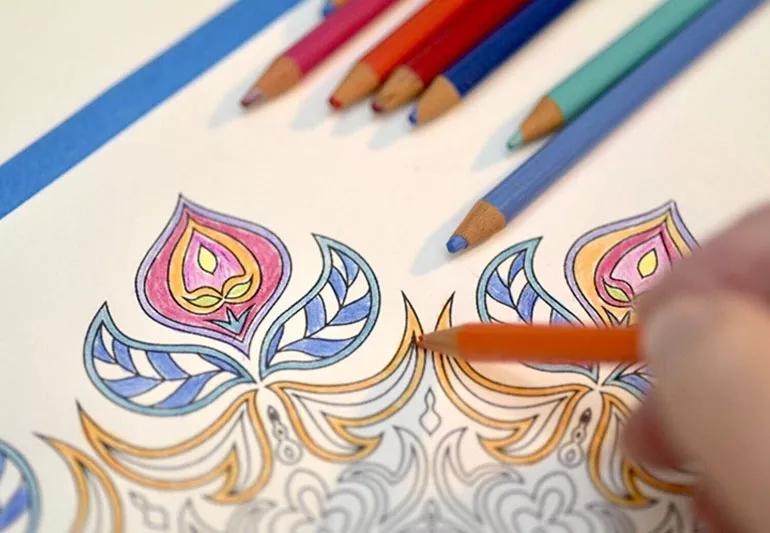
You can find peace with adult coloring. This is one of the most popular relaxing hobbies at home. When you color, your mind gets a break from worries. The colors and patterns help your brain relax. Many women say that coloring lets the part of the brain that handles fear and anxiety calm down. You do not need to be an artist. Just pick up a coloring book and some pencils. You can color for five minutes or an hour. The time is yours.
Tip: Try coloring before bed. You may notice you fall asleep faster.
Jigsaw Puzzles
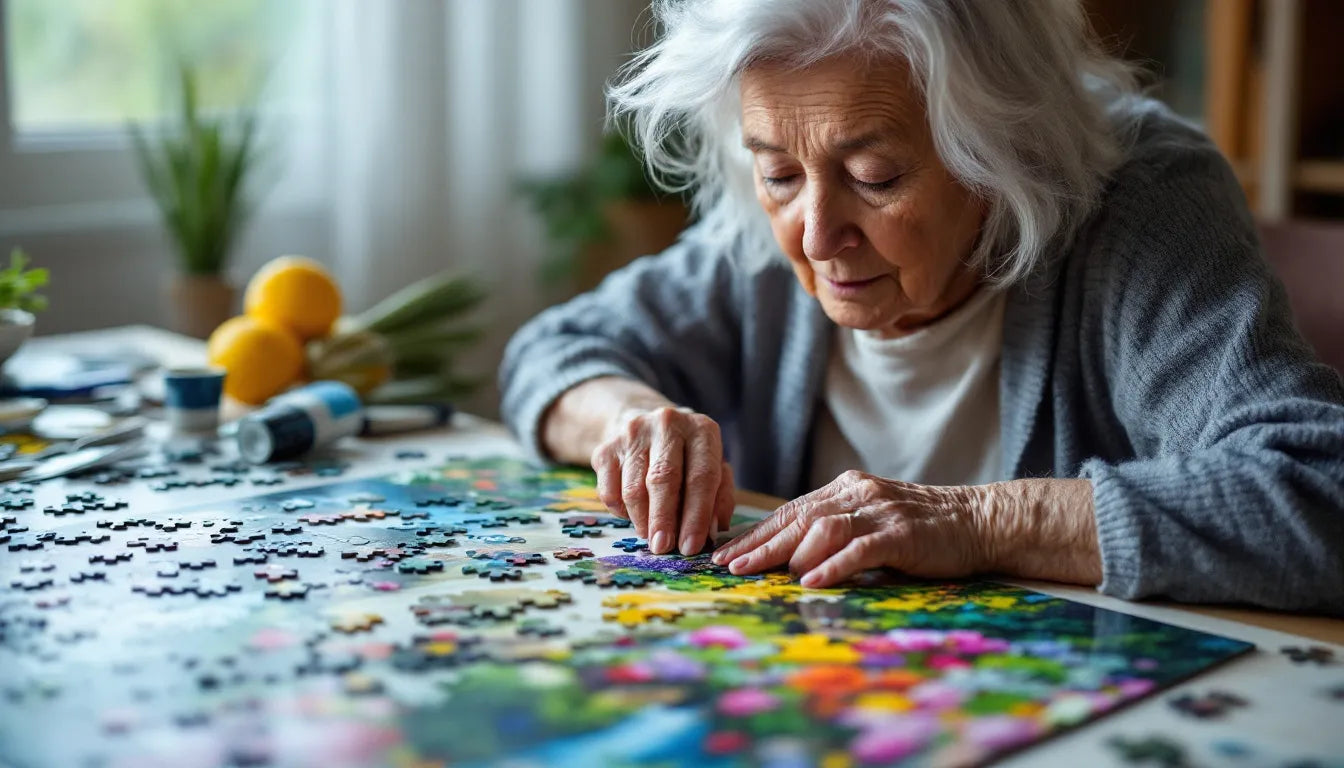
Jigsaw puzzles are another great choice for relaxing hobbies at home. You focus on finding the right pieces, and your mind forgets about stress. Puzzles need your full attention. This helps you take a break from anxious thoughts. Studies show that puzzles help you control your emotions and lower stress. You can work on a puzzle alone or with family. Every piece you fit brings a small win.
Jigsaw puzzles give your brain a workout.
You can choose puzzles with beautiful pictures or calming colors.
Knitting or Crocheting

Knitting and crocheting are classic relaxing hobbies at home. You use your hands and watch your project grow. These textile arts help you slow down and enjoy the moment. Many women find that knitting or crocheting helps them relax after a busy day. You can make scarves, blankets, or even small gifts. These relaxing hobbies at home do not need much space or money. You can knit while watching TV or listening to music.
Knitting and crocheting help you feel calm.
You can join online groups to share your projects and meet new friends.
If you want to try relaxing hobbies at home, start with one of these. You may find yourself feeling more peaceful and happy each day.
Creative Hobbies for Women
Painting and Drawing

You can pick up a brush or pencil and let your mind wander. Painting and drawing help you relax and recharge. When you focus on colors and shapes, your worries fade away. You feel your senses come alive. The act of creating something new gives you a boost of happiness. Experts say painting and drawing can release endorphins, which lift your mood and help you feel calm. You get a sense of accomplishment every time you finish a piece.
Engages your senses
Promotes mindfulness
Boosts your mood through endorphin release
Gives you mental and emotional benefits
You do not need fancy supplies. A simple sketchbook and some colored pencils work well. Try doodling while you listen to music. You may notice your stress melts away. Many women find that painting and drawing offer a meditative process. You focus on each stroke and forget about your busy day.
Tip: Hang your artwork on the wall. You will feel proud every time you see it.
Candle Making

Candle making is another creative hobby that helps you relax. You get to play with scents and colors. The process feels soothing and fun. When you make candles, you use your hands and your imagination. The scent of lavender or vanilla fills your space and calms your mind. Experts say candle making releases dopamine, which brings pleasure and satisfaction.
Offers the soothing power of scent
Provides a sense of accomplishment
Helps manage stress, anxiety, and depression
You can start with a simple kit. Melt the wax, add your favorite scent, and pour it into a mold. Watch your candle take shape. You will feel proud when you light it and enjoy the glow.
Note: Candle making is safe and easy. Always follow the instructions on your kit.
Gardening for Relaxation

You might feel calm when you dig in the dirt or water your plants. Gardening gives you a chance to slow down and enjoy nature. Many women say that caring for plants helps them relax and feel happier. You do not need a big yard to start. Even a few pots on your balcony or windowsill can make a difference.
Simple Gardening Tips
If you want to try gardening, start small. Pick easy plants like herbs or flowers. You can grow basil, mint, or marigolds with little effort. Water your plants when the soil feels dry. Place them where they get enough sunlight. Pull weeds when you see them. You will notice your plants grow stronger each week.
Here are some ways gardening can help your mental health:
You may sleep better and feel more hopeful.
Gardening can boost your happiness and lower stress.
Spending time with plants can increase your self-esteem.
Community gardens help you meet new friends and feel supported.
Green spaces give you a break from worries and help you heal.
Tip: Try gardening with a friend or family member. You can share stories and enjoy the fresh air together.
Indoor Plant Care
Indoor plants bring nature inside your home. You can choose easy plants like snake plants, pothos, or succulents. These plants need little care and grow well in most homes. Place your plants near a window. Water them once a week or when the soil feels dry. Wipe the leaves with a damp cloth to keep them healthy.
You might notice that indoor gardening helps you feel peaceful. Watching your plants grow can give you a sense of pride. Caring for plants can help you focus and forget about stress. If you want to relax, try adding a few green friends to your space.
Yoga and Gentle Stretching
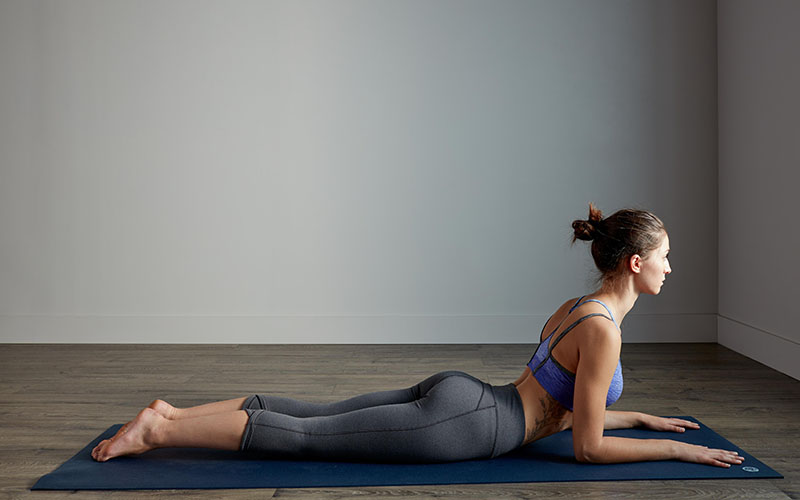
Yoga for Stress Relief
You can use yoga and stretching to help your body and mind relax. Many women say that yoga helps them feel calm after a busy day. When you practice yoga and stretching, your muscles let go of tension. You may notice your breathing slows down and your thoughts become clearer. Studies show that yoga practice leads to muscle relaxation and lower stress. EMG readings even show less muscle activity during yoga and stretching. Standing yoga poses help you feel stable and balanced, which can make you feel more confident.
Here is a quick look at how yoga and stretching help with stress relief:
Study Focus |
Findings |
|---|---|
Muscle Relaxation |
Yoga practice leads to muscle relaxation and less muscle tension. |
EMG Readings |
EMG signals show less muscle activity and tension during yoga. |
Standing Yoga Poses |
Standing poses improve attention, stability, and balance. |
Medical Yoga Therapy |
Yoga increases the threshold for stress, helping you feel calmer. |
Yoga and stretching also lower cortisol levels, which means less stress in your body. You can try tai chi for gentle movement and relaxation. Many women find that tai chi and yoga and stretching work well together.
Tip: Try yoga and stretching in the morning to start your day with calm energy.
Quick Stretching Routines
You do not need a lot of time for yoga and stretching. You can do simple routines at home or even in bed. Here are some easy poses and stretches to try:
Seated Forward Fold: Sit up, stretch your arms overhead, and fold over your legs.
Seated Twist: Cross your legs, twist your torso gently, and breathe deeply.
Cat-Cow: Move between arching and rounding your back to release tension.
You can also try these quick routines:
Seated Figure 4 With Spinal Twist: Make a figure '4' with your legs and twist gently.
Lying Twist: Drop your bent legs to one side for a gentle back stretch.
Butterfly Pose: Lie back with your feet together and knees open. Focus on deep breathing.
Here are three relaxing yoga and stretching poses you can add to your routine:
Pose Name |
Description |
|---|---|
Reclining bound angle |
Opens hips and relieves tension, great for women who sit a lot. |
Legs Up the Wall |
Restorative pose that promotes relaxation and deep breathing. |
Child’s Pose |
Gentle stretch that calms your mind and body. |
Yoga and stretching can help you feel peaceful and refreshed. You might want to try tai chi for a new way to relax. Choose the poses that feel best for you and enjoy a few minutes of calm each day.
Reading for Pleasure
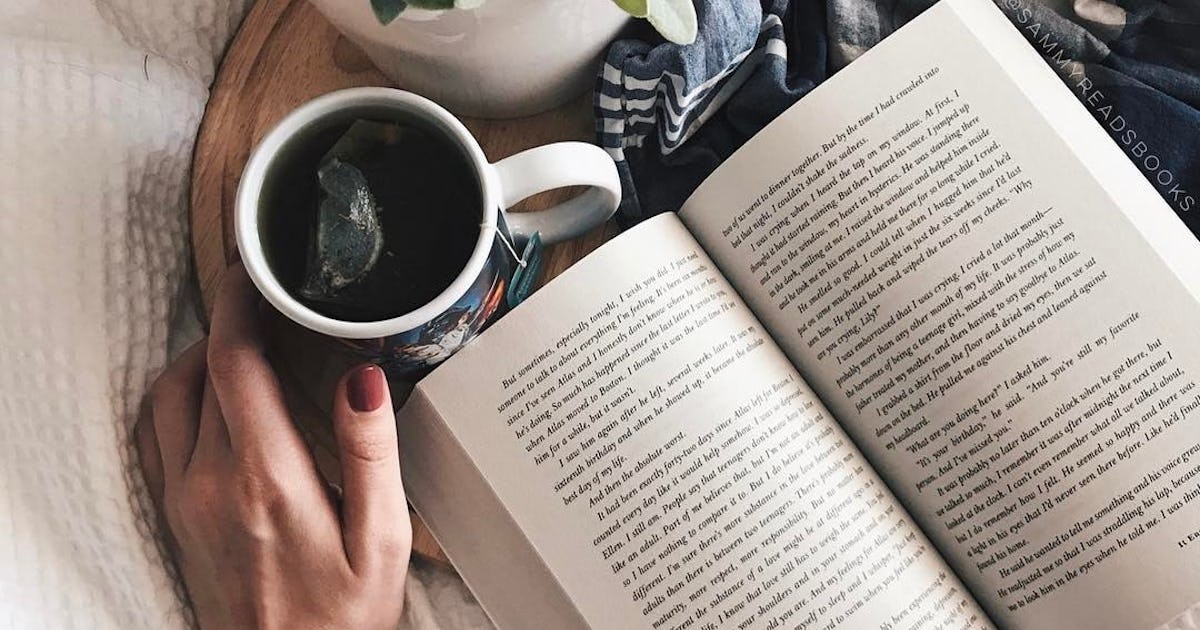
Escaping with Books
You can step into a new world every time you open a book. Reading gives you a break from daily stress and lets your mind wander. Many women find that a good story helps them relax and feel happier. You might love a sweet romance or get lost in a classic tale. Some women enjoy solving mysteries or diving into crime stories. Here are some of the most popular genres for relaxation:
Romance
Classic
Mystery
Crime
You do not need to finish a book in one sitting. Even a few pages can help you escape and recharge. When you read for pleasure, you support your well-being and give your mind a gentle workout.
Tip: Try reading before bed. You may fall asleep faster and wake up feeling refreshed.
Making Time to Read
Busy days can make it hard to find time for yourself. You can still fit reading into your routine with a few simple tricks. Carry a book in your bag or keep one on your nightstand. Listen to audiobooks while you cook or walk. Set a small goal, like reading for ten minutes each day. These small moments add up and boost your well-being.
Studies show that reading for pleasure helps your mind and mood. Take a look at what experts have found:
Study/Source |
Findings |
Benefits on Women's Mental Health |
|---|---|---|
Psychological Medicine (June 2023) |
Early reading for pleasure linked to better cognitive performance and emotional well-being |
Associated with fewer mental health problems, including stress and attention issues |
National Assessment of Educational Progress |
Decline in reading for pleasure among youth |
Highlights the importance of promoting reading for pleasure to improve mental health outcomes |
You support your well-being every time you pick up a book. Make reading a habit, and you may notice you feel calmer and more balanced each day.
Cooking and Baking

Mindful Cooking
You can turn cooking into a relaxing hobby. When you chop vegetables or stir a pot, you focus on each step. This helps you stay present and forget about stress. Julie Ohana, a Culinary Art Therapist, says cooking makes you mindful. You pay attention to smells, colors, and textures. You notice how your body feels as you move around the kitchen. Cooking favorite foods can bring back happy memories and make you feel close to loved ones.
Here’s a quick look at how cooking helps you relax:
Evidence |
Description |
|---|---|
Cooking releases dopamine, which brings pleasure and fights stress hormones. |
|
Mindfulness |
Cooking tasks help you focus and lower anxiety. |
Calming Effects |
Cooking calms your nervous system, like listening to music. |
Tip: Try cooking a simple meal when you feel anxious. You might notice your heart rate slows down and your mind feels clearer.
Baking for Calm
Baking offers a special kind of peace. You measure, mix, and watch your creation rise. These repetitive tasks help you relax and feel in control. Stress-baking can break cycles of anxiety and sadness. You focus on the present moment and stop worrying about the future. Baking during tough times can comfort you and remind you of gratitude.
Baking therapy helps you manage anxiety.
Repetitive kitchen tasks make you feel calm.
Baking for loved ones brings joy and connection.
You do not need fancy tools. Start with a simple recipe. Enjoy the smell of fresh bread or cookies. Baking gives you a sense of accomplishment and helps you recharge.
Walking in Nature
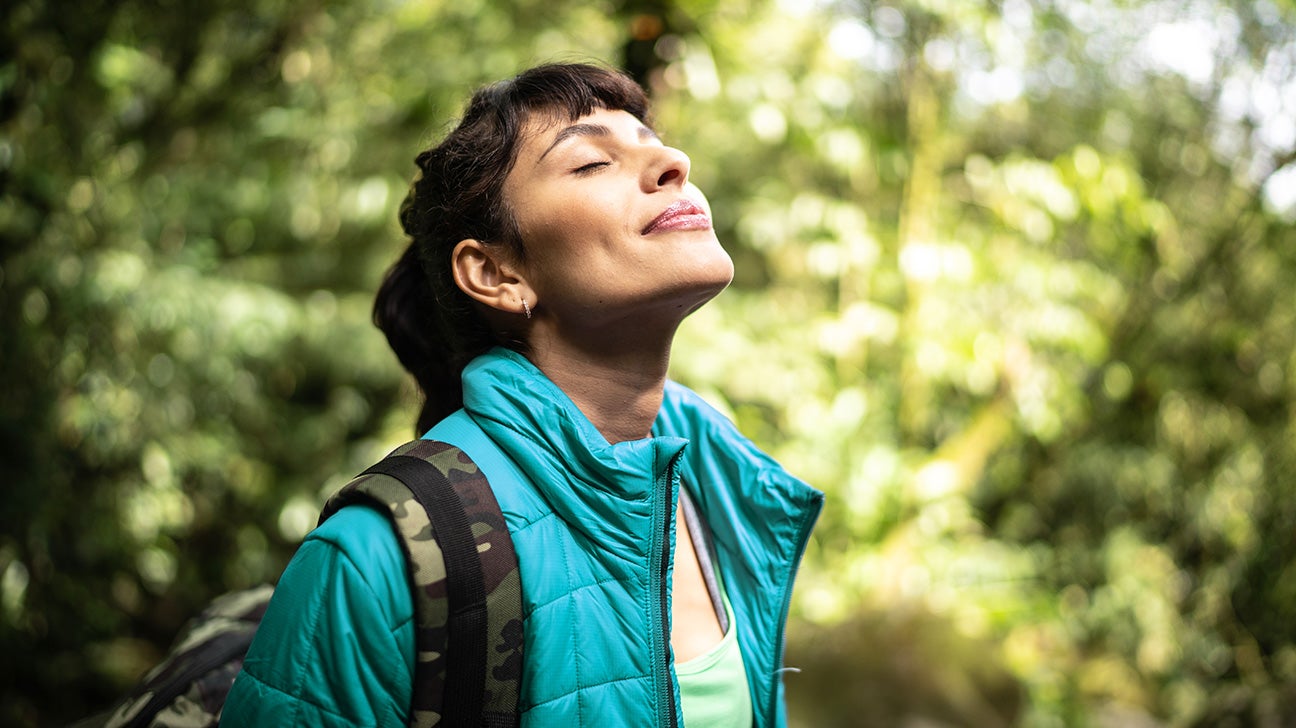
Nature Walks for Peace
You step outside and feel the fresh air on your skin. Nature walks offer a simple way to find peace and recharge. When you walk among trees or listen to birds, your mind starts to slow down. You notice your worries fade and your mood lifts. Many women say that walking in nature helps them feel less anxious and more relaxed. Studies show that nature walks can lower stress and negative feelings. You might even notice your thoughts become clearer and your heart feels lighter.
Nature walks reduce anxiety and stress.
You feel happier and more positive after spending time outdoors.
Walking in green spaces helps you let go of rumination and negative thoughts.
Nature-based walks work better for relaxation than walks in busy city areas.
Tip: Try walking in a park or along a quiet trail. You may find your mind feels calmer and your body feels refreshed.
Making It a Habit
You can make nature walks part of your routine, even with a busy schedule. Start with short walks near your home. Choose a time that works for you, like early morning or after dinner. Bring a friend or go alone and enjoy the quiet. Notice the colors, sounds, and smells around you. Each step helps you feel more grounded and present.
Set a goal to walk outside two or three times a week.
Keep your phone away and focus on your surroundings.
Use a journal to track how you feel after each walk.
Nature walks do not need to be long or difficult. Small steps add up and help you build a peaceful habit. You may notice you sleep better and feel more balanced each day.
Self-Care Through Hobbies
Building a Relaxing Routine
You can make your days calmer by adding hobbies. Doing creative things gives you a break from stress. You might like to paint, write, or make crafts. These hobbies help you think about your feelings. They also let you show how you feel. Artistic hobbies can lower your stress hormone, cortisol. This means you feel less stressed. When you finish a project, you feel proud. That good feeling can make your mood better.
Here’s a quick look at how different activities support your self-care:
Activity Type |
Benefits |
|---|---|
Creative Hobbies |
Nourishes the soul, provides emotional expression, and helps process thoughts. |
Artistic Expression |
Reduces cortisol levels, serves as a healthy emotional outlet, and fosters a sense of accomplishment. |
Tip: Try to spend ten minutes each day on your favorite hobby. You might feel calmer and more balanced.
Choosing the Right Hobby
Picking a hobby that fits you makes self-care easier. Choose something that matches your life and makes you happy. Think about what helps you relax. Maybe you like journaling, gardening, or painting. Some hobbies let you be creative and show your feelings. Other hobbies help you spend time with friends or family.
Consider these factors when choosing a hobby:
Factor |
Description |
|---|---|
Choose activities you enjoy and find calming, such as journaling or gardening. |
|
Opportunity for Self-Expression |
Pick hobbies that let you express yourself creatively, boosting personal joy. |
Potential for Social Connection |
Look for hobbies you can share with others, building social bonds and support. |
You do not have to pick just one hobby. Try a few and see which ones help you relax. The best hobby is the one that makes you feel happy and refreshed. 😊
Comparison Table of Relaxing Hobbies
You may not know which hobby is best for you. Some hobbies only take a few minutes. Others let you slow down for an hour or more. Most hobbies do not cost much money to start. You might just need a notebook or to go outside for a walk. Some hobbies need a kit or a few supplies. Look at this table to help you choose:
Hobby |
Time Needed |
Cost |
Relaxation Benefits |
|---|---|---|---|
Meditation |
5–15 min/day |
Free |
Calms mind, lowers stress |
Journaling |
5–20 min/day |
Low |
Clears thoughts, boosts mood |
Adult Coloring |
10–30 min/day |
Low |
Reduces anxiety, sparks joy |
15–60 min |
Low–Medium |
Improves focus, soothes mind |
|
Knitting/Crocheting |
20+ min |
Low–Medium |
Relieves tension, creates calm |
Painting/Drawing |
15–60 min |
Low–Medium |
Lowers cortisol, builds confidence |
Candle Making |
30–60 min |
Medium |
Engages senses, brings peace |
Gardening |
10–30 min/day |
Low–Medium |
Boosts happiness, restores balance |
Yoga/Stretching |
10–30 min/day |
Free–Low |
Relaxes body, eases anxiety |
Reading |
10+ min/day |
Low |
Escapes stress, lifts mood |
Cooking/Baking |
30–60 min |
Low–Medium |
Stimulates brain, reduces stress |
Nature Walks |
15–45 min |
Free |
Lowers blood pressure, refreshes mind |
Tip: Try out different hobbies to see what helps you relax. You can mix short activities with longer ones if you want.
Here is what research says about these hobbies:
Cooking, art, and being outside can lower stress and help your mind.
Cooking is good for your brain and can help your memory.
Making art helps you feel more confident and less stressed.
Coloring can help you feel less anxious and happier.
Walking in nature gives you more energy and helps your body stay healthy.
You have lots of choices. Pick the hobby that feels good to you and enjoy your calm time. 😊

Tucocoo Jigsaw Puzzles
You can still enjoy hobbies for women, even if you are busy. Try a mindful hobby or mindful crafting to relax. Mindful walking is another way to find peace. Bath and self-care rituals can help you feel calm. You might like mindful photography or a hobby that helps you think. These hobbies for women help you practice mindfulness and lower stress. They also give you a break from worries.
Hobbies for women can help with anxiety and stress. They give your mind a rest.
Bath and self-care rituals, creative activities, and relaxing hobbies boost mindfulness.
Mindfulness and hobbies for women can help with anxiety and lower health risks.
Mindfulness, hobbies for women, and routines that lower anxiety can make you happier and help your brain.
Pick one hobby for women and try it today. You will notice a change.