
The Role of Creative Drawing in Relaxation and Stress Relief
Have you ever felt overwhelmed and in need of a way to unwind? Engaging in creative drawings could be just what you’re looking for. Creative drawings provide a simple yet impactful method to relax and achieve mental calmness. Research indicates that art therapy can lower stress by up to 73% in children with Autism Spectrum Disorder and reduce PTSD symptoms in veterans by 50%. This powerful link between art and mental health isn’t limited to professionals—it’s accessible to everyone. Whether you’re sketching, doodling, or playing with colors, creative drawings encourage you to focus on the present and release the stress of daily life.
Studies have shown that participating in art-making activities significantly decreases stress perception, highlighting how effective it is for relaxation.
Creative drawings also strengthen the bond between art and mental health by fostering mindfulness and emotional well-being. You don’t need to be a professional artist to experience these benefits. Simply grab a pencil and let your creative drawings guide you to a more peaceful state of mind.
Key Takeaways
Drawing can help lower stress and make you feel calm. Doing art lets you focus on now and forget worries.
You don’t have to be great at art to enjoy it. Simple doodles or small drawings can make you happier and feel better.
Spending just 10-15 minutes daily on drawing can help. Doing it often is important to feel the good effects.
Drawing helps you understand your feelings and thoughts. It’s a safe way to share emotions and handle stress or sadness.
Joining a group or class can make drawing more fun. Being with others can spark ideas and give you support.
The Science Behind How Art Can Reduce Stress
Creative Drawings and Brain Function
Boosting serotonin levels for improved mood
Did you know that creating art can actually make your brain happier? When you engage in creative drawing, your brain releases serotonin, a chemical that boosts your mood and helps you feel more relaxed. This process isn’t just for professional artists—it’s something you can experience by simply doodling or sketching. Research shows that art improves mindfulness, anchoring you in the present moment and giving your mind a break from stress.
Enhancing blood flow to pleasure-related brain areas
Drawing doesn’t just lift your mood; it also stimulates your brain in fascinating ways. Studies have found that focusing on creative tasks increases blood flow to areas of the brain associated with pleasure and reward. This means that when you’re exploring the connection between art and mental health, you’re literally lighting up the parts of your brain that make you feel good.
Study |
Findings |
|---|---|
Hall and Geng |
Focused attention during drawing enhances memory boundary transformation. |
Cardenas-Miller et al. |
Drawing tasks reveal a disconnect between attention and memory. |
Han, Rezanejad, Walther |
Line drawings are as memorable as photographs, highlighting their impact. |
The Connection Between Art and Mental Health
Promoting mindfulness and present-moment focus
Art therapy encourages mindfulness by helping you focus on the here and now. When you draw, you’re not worrying about the past or the future—you’re immersed in the present. This practice can reduce stress and improve your mental health by promoting awareness and presence.
Engaging in art-making activities has been shown to lower cortisol levels in 75% of participants, according to a study from Drexel University. Participants reported feeling more relaxed and less anxious after creating art.
Lowering cortisol levels to reduce stress
Stress can take a toll on your body, but art therapy offers a way to fight back. By lowering cortisol levels, art provides a soothing effect on your mind and body. College students who participated in art-based interventions reported a significant reduction in stress perception, proving that art therapy for anxiety is a powerful tool for relaxation.
Art Therapy and Emotional Regulation
Encouraging emotional release and relaxation
Sometimes words aren’t enough to express how you feel. That’s where art therapy comes in. Drawing allows you to release emotions in a non-verbal way, helping you process feelings that might otherwise stay bottled up. In one study, psychiatric patients who worked with clay experienced reduced anxiety levels, showing how art therapy can promote emotional release and relaxation.
Supporting self-discovery and inner healing
Art therapy isn’t just about relaxation—it’s also a journey of self-discovery. When you create, you explore your inner world and uncover insights about yourself. This process can lead to healing and growth, especially during challenging times. A study by Tang et al. found that creative engagement during crises, like the COVID-19 pandemic, significantly improved well-being across cultures.
Art therapy has been used in various settings, from cancer treatment to autism care, demonstrating its versatility and effectiveness in promoting mental health.
Emotional and Mental Health Benefits of Creative Drawing
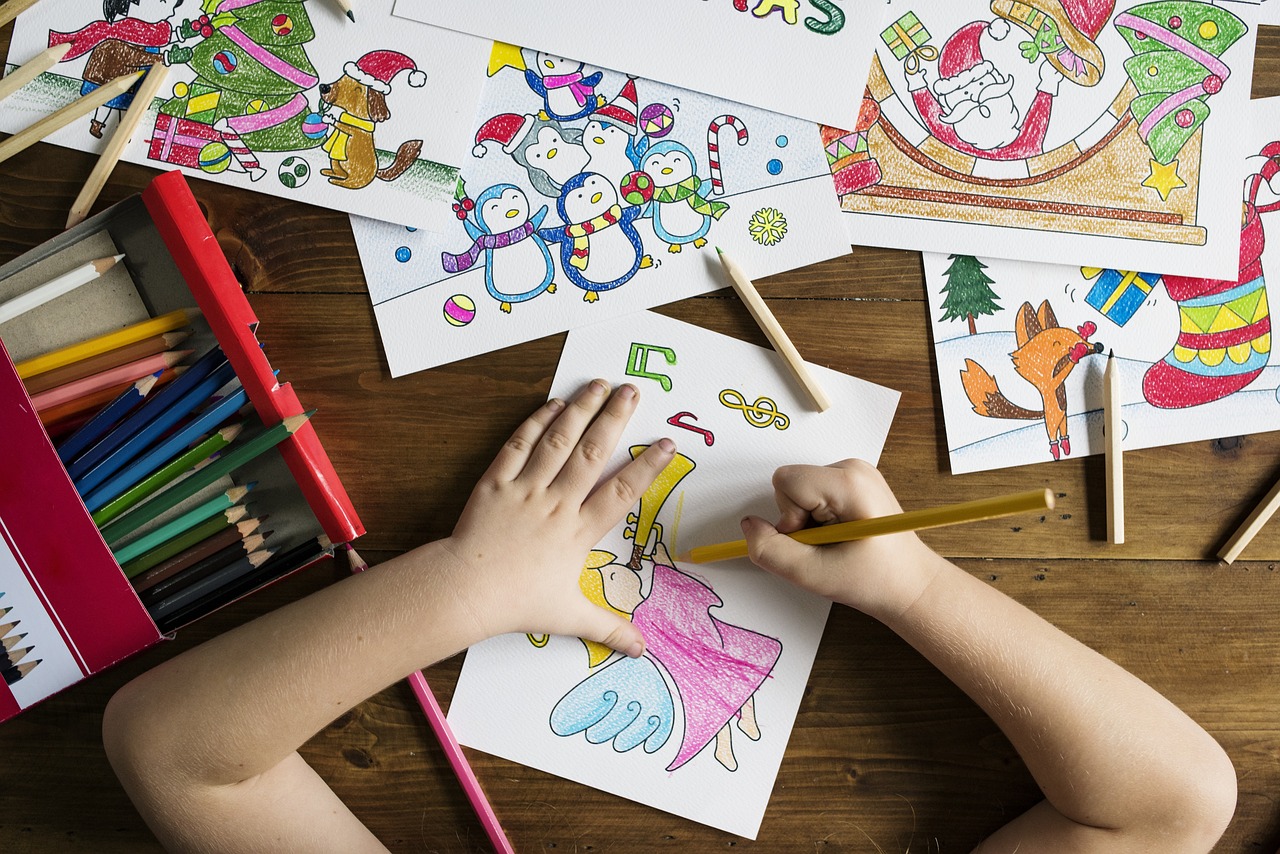
Self-Awareness and Emotional Expression
Visualizing emotions for better understanding
Creative drawing gives you a unique way to explore your emotions. Instead of struggling to put feelings into words, you can use art to visualize them. This process helps you understand what you’re feeling and why. Art therapy has been shown to heal emotional traumas and improve self-awareness. By engaging in creative expression, you can reflect on your emotions and gain personal insights. Studies also show that art improves emotional processing, helping you balance your feelings and develop a deeper connection with yourself.
Art therapy enhances self-reflection, which is essential for self-awareness.
Creative expression allows you to explore emotions, leading to personal growth.
Processing thoughts and feelings through art
When life feels overwhelming, drawing can help you process your thoughts. It’s like giving your mind a safe space to work through challenges. Research shows that art therapy reduces anxiety and helps people manage their emotions better. By focusing on the act of creating, you can let go of stress and find clarity. This makes drawing a powerful tool for emotional healing and mental health benefits.
Building Confidence and Self-Esteem
Celebrating personal creativity
Every time you create something, you celebrate your unique creativity. It doesn’t matter if it’s a simple doodle or a detailed sketch—what matters is that it’s yours. Studies reveal that children who regularly engage in art activities have higher self-esteem. When you embrace your creative side, you feel a sense of accomplishment that boosts your confidence.
Gaining confidence through self-expression
Self-expression through art helps you feel more confident in who you are. It’s a way to share your thoughts and emotions without fear of judgment. As you continue to draw, you’ll notice how your confidence grows. Art therapy reinforces feelings of self-worth, making you feel more capable and empowered.
Reducing Anxiety and Depression
Providing a calming outlet for emotions
Drawing offers a calming outlet for emotions, especially during tough times. It helps you release pent-up feelings in a healthy way. Research shows that creative art therapy reduces symptoms of anxiety and depression. Activities like mandala coloring and guided drawing have been proven to lower stress and improve mental health.
Fostering a sense of control and calm
When you draw, you take control of the process. This sense of control can be incredibly calming, especially when life feels chaotic. Guided drawing interventions have been found to reduce anxiety significantly, particularly for those who struggle with emotional regulation. By focusing on your art, you create a peaceful space where you can relax and recharge.
Study |
Findings |
|---|---|
De Morais et al. (2014) |
Clay art therapy reduced anxiety in psychiatric patients through non-verbal emotional expression. |
Sandmire et al. (2016) |
Mandala coloring and drawing enhanced vagal activity and reduced anxiety levels. |
Mercer et al. (2010) |
Drawing helped medical students transform stressors into positive emotions. |
Creative drawing not only improves mental health but also provides a safe space for emotional expression and healing.
Physical and Cognitive Benefits of Creative Drawing
Stress Relief and Relaxation
Lowering heart rate and blood pressure
Did you know that drawing can help your body relax? When you engage in creative drawing, your heart rate slows down, and your blood pressure drops. This happens because drawing shifts your focus away from stressors, allowing your body to enter a state of calm. A pilot study even found that guided drawing activities significantly reduced both subjective anxiety and physiological markers of arousal. If you’ve been feeling tense, picking up a pencil might be just what you need to lower stress levels and feel more at ease.
Relaxing tense muscles
Stress often shows up in your body as muscle tension. Drawing offers a way to release that tension. As you focus on creating art, your muscles naturally relax, and you feel lighter. Participants in art therapy sessions have reported feeling less physically tense after engaging in creative activities. Whether you’re sketching or doodling, the act of drawing can help your body unwind and recharge.
Study |
Findings |
|---|---|
De Morais et al. (2014) |
Art therapy reduces anxiety through non-verbal emotional expression. |
Eum and Yim (2015); Kulari (2017) |
Creative art therapy reduces depression, anxiety, and stress. |
Sandmire et al. (2016) |
Art-making enhances vagal activity and reduces anxiety levels. |
Mercer et al. (2010) |
Drawing helps visualize stressors, transforming them into positive emotions. |
Enhancing Cognitive Function
Stimulating creative thinking and problem-solving
Drawing isn’t just relaxing—it also boosts your brainpower. When you create art, you stimulate areas of your brain responsible for creative thinking and problem-solving. Studies show that drawing enhances spatial abilities and activates brain regions tied to sensory integration and self-referential processing. This means that every time you draw, you’re training your brain to think more creatively and solve problems more effectively.
Improving focus and concentration
If you’ve ever struggled to concentrate, drawing might help. The repetitive motions and focus required for art-making improve your ability to concentrate. Research has found that drawing enhances memory and recognition, even in individuals with hippocampal damage. By dedicating time to creative drawing, you can sharpen your focus and improve your mental clarity.
Study |
Findings |
|---|---|
Brady, Meade, and Fernandes |
Drawing activates brain regions tied to sensory integration and imagery, improving memorization. |
Martinčević and Vranić |
Drawing enhances spatial abilities, aiding in complex problem-solving. |
Levi, Pugsley, Fernandes, Turner, and Gilboa |
Drawing improves memory processes beyond the hippocampus. |
Long-Term Mental Health Benefits
Encouraging a balanced mind-body connection
Drawing doesn’t just offer short-term relaxation—it also supports long-term mental health. Dr. Frank Clark compares the benefits of creative practices like drawing to physical exercise. Just a few minutes of drawing each day can help you maintain a balanced mind-body connection. This balance promotes emotional stability and overall well-being, making drawing a powerful tool for mental health.
Supporting overall well-being
Engaging in art regularly can transform your mental health. Creative drawing provides a therapeutic outlet for emotions, reduces anxiety, and fosters a sense of calm. Studies on guided drawing interventions have shown significant decreases in anxiety and physiological arousal, especially in young adults. By making drawing a part of your routine, you can enjoy lasting benefits for your emotional and physical well-being.
Practical Tips for Incorporating Creative Drawing Into Daily Life
Start Small and Simple
Use basic tools like pencils and paper
You don’t need fancy supplies to start your creative drawing journey. A simple pencil and a piece of paper are all you need to begin. This approach eliminates the pressure of perfection and makes drawing accessible to everyone. By starting small, you can focus on enjoying the process rather than worrying about the outcome.
No rules, no mistakes: Let your creativity flow without fear of judgment.
Versatility: Drawing with basic tools works for any age or skill level.
Inner critic suppression: Forget about being perfect and just have fun.
Dedicate just 10-15 minutes a day
Consistency is key when incorporating art into your life. Set aside 10-15 minutes daily to draw. This small commitment can make a big difference in your mental health. Regular practice helps you build a habit and gives you a calming break from your busy day.
Myruski highlights that guided-drawing interventions are effective tools for reducing anxiety. Even short sessions can help you feel more relaxed and focused.
Explore Techniques and Styles
Try doodling, sketching, or abstract art
Experimenting with different styles keeps your art practice exciting. Doodling is great for quick, spontaneous creativity. Sketching allows you to refine your skills, while abstract art lets you explore emotions and ideas freely. Find what resonates with you and enjoy the benefits of an art practice tailored to your preferences.
Experiment with colors and patterns
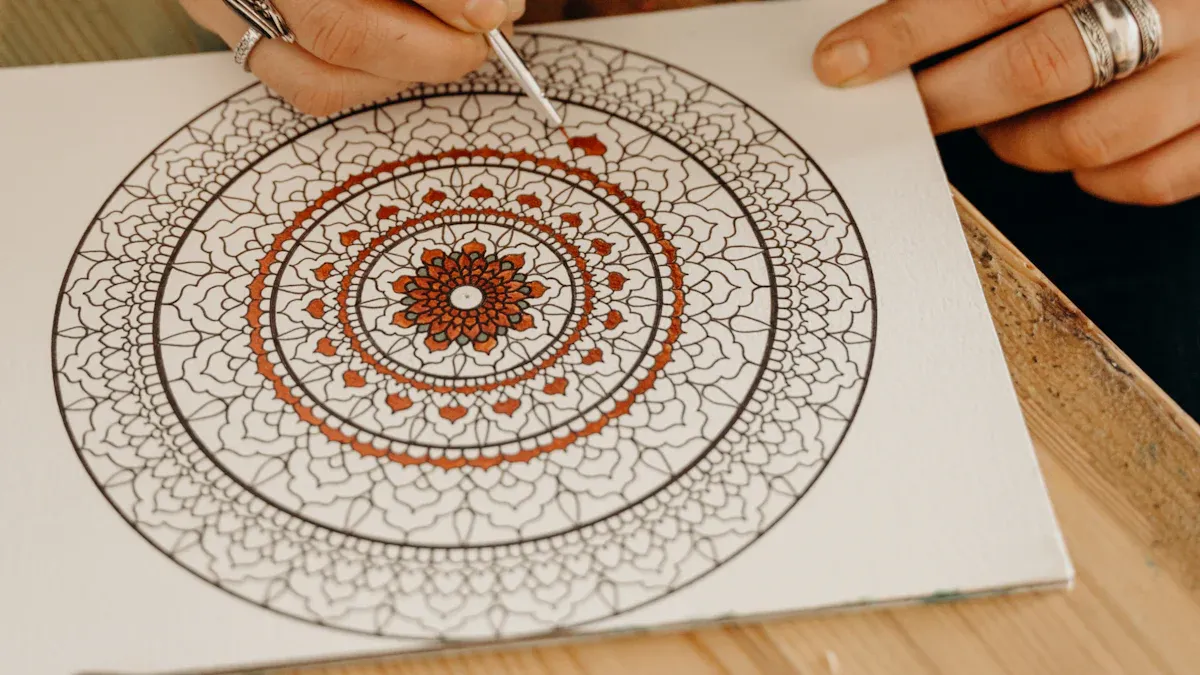
Adding colors and patterns to your drawings can make the experience even more enjoyable. Play with vibrant hues or calming tones to match your mood. Patterns like mandalas are especially effective for relaxation and mindfulness.
Find a creative outlet: Try different mediums to discover what you enjoy.
Set up your creative space: A dedicated area for art can inspire consistency.
Make It a Mindful Practice
Focus on the process, not the outcome
When you draw, let go of the need for a perfect result. Instead, immerse yourself in the act of creating. This shift in focus helps you stay present and reduces anxiety. Drawing becomes a way to process emotions without feeling overwhelmed.
Pair drawing with calming music or meditation
Enhance your drawing sessions by pairing them with soothing music or meditation. This combination deepens relaxation and fosters a connection between your body, mind, and spirit. It’s a simple yet powerful way to make art a mindful practice.
The act of drawing encourages mindfulness by helping you think without getting trapped in negative thoughts.
Incorporating art into your life doesn’t have to be complicated. Start small, explore different techniques, and make it a mindful practice. You’ll soon discover how creative drawing can transform your mental health and bring calm to your daily routine.
Join a Community or Take a Class
Connect with others for inspiration
Drawing doesn’t have to be a solo activity. Joining a community or taking a class can open up a world of inspiration and support. When you connect with others who share your interest in art, you’ll find new ideas and perspectives that can spark your creativity. Local art groups or workshops are great places to meet like-minded people and learn from their experiences.
Engaging in creative activities like drawing provides a valuable break from daily stress.
Activities such as drawing, painting, and writing enhance fulfillment and reduce stress.
Joining local art groups fosters community support, inspiration, and learning opportunities.
Whether you’re a beginner or an experienced artist, being part of a group can motivate you to keep going. You’ll also discover that sharing your work and seeing others’ creations can be incredibly rewarding.
Learn new skills in a supportive environment
Taking a class is another fantastic way to grow your skills. A structured environment with guidance from an instructor can help you explore new techniques and styles. Plus, you’ll get feedback that can improve your art and boost your confidence. Classes also provide a safe space to experiment without fear of judgment.
When you surround yourself with supportive people, you’ll feel encouraged to push your boundaries. This sense of community can reduce feelings of anxiety and help you focus on the joy of creating.
Use Drawing for Reflection and Growth
Keep a visual journal
A visual journal is a powerful tool for self-reflection. By sketching your thoughts and feelings, you can process emotions in a way that words sometimes can’t capture. It’s like keeping a diary, but instead of writing, you draw.
Researchers concluded that drawing aids students in visualizing their stressors more effectively, facilitating their transformation into positive emotions.
This practice can help you identify patterns in your emotions and gain a deeper understanding of yourself. Over time, your journal becomes a personal record of growth and healing.
Draw to process daily experiences and emotions
Life can feel overwhelming at times, but drawing offers a healthy outlet for those emotions. When you put pencil to paper, you create a space to process what’s on your mind. This can be especially helpful if you’re dealing with anxiety or depression.
Drawing allows you to turn negative feelings into something tangible and manageable. It gives you a sense of control and helps you find clarity. By making this a regular habit, you’ll notice how it improves your emotional well-being and strengthens your connection to yourself.
Creative drawing bridges the gap between art and mental health, offering emotional, physical, and cognitive benefits. It’s a simple yet effective way to reduce anxiety, ease depression, and promote relaxation. Studies show that practices like Zentangle art improve emotional well-being and self-worth, while creative activities help people feel safe and supported. Art can reduce stress by immersing you in the present moment, helping you forget daily worries. By making drawing a daily habit, you’ll unlock its therapeutic effects and discover a path to improved overall well-being. Why not start today?
FAQ
What if I’m not good at drawing?
You don’t need to be an artist to enjoy the benefits of creative drawing. It’s about the process, not the result. Focus on expressing yourself and having fun. Even simple doodles can help you relax and improve your mental well-being.
How does drawing help with anxiety?
Drawing shifts your focus away from stressors and helps you stay present. It creates a calming space where you can process emotions and regain control. Studies show that art-making activities significantly reduce anxiety and promote relaxation.
Can creative drawing help with depression?
Yes, drawing provides a healthy outlet for emotions and fosters self-expression. It can lift your mood and give you a sense of accomplishment. Many people find that engaging in art helps them process feelings and find clarity during tough times.
Do I need special tools to start drawing?
Not at all! A simple pencil and paper are enough to begin. You can explore other tools like markers or colored pencils later. The key is to start small and focus on enjoying the process.
How often should I draw to see benefits?
Even 10-15 minutes a day can make a difference. Consistency matters more than duration. Regular drawing sessions help you build a habit, reduce stress, and improve your overall mental health.